Scout's Take
4 picks worth buying
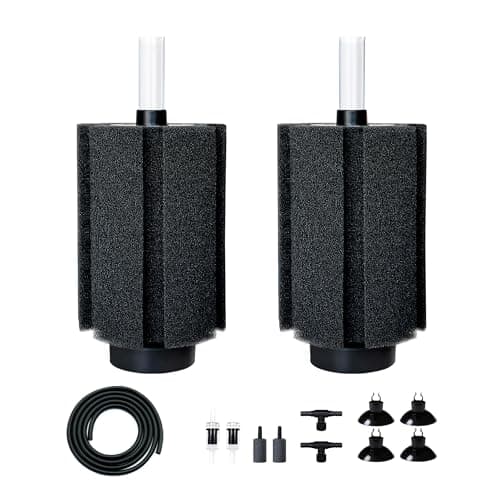
100-120 Gal Large Aquarium Sponge Filter with Air Stone and Ceramic Media
Best for large tanks that need gentle aeration plus stronger biological filtration.
- Dual sponge and ceramic media
- Includes tubing, suction cups, and check valves
- Air pump not included
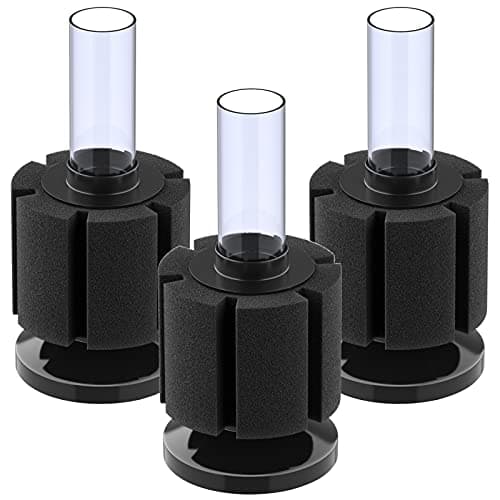
Pawfly 3 Pack Aquarium Sponge Filter Quiet Betta Fry Shrimp and Small Fish Foam Filter for Tiny Fish Tank up to 10 Gallon
Best for small aquariums when you want an inexpensive, fish-safe filter.
- Very low price for a 3-pack
- Gentle for betta, fry, and shrimp tanks
- Air pump not included
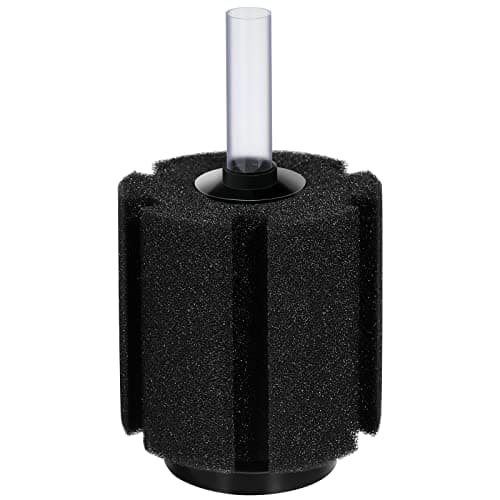
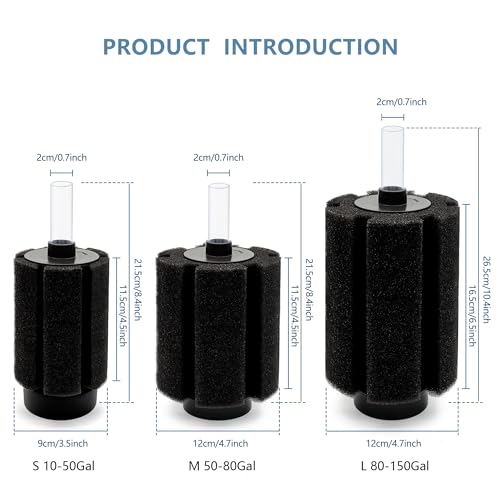
AQUANEAT Aquarium Bio Sponge Filter Breeding Fry Betta Shrimp Nano Fish Tank (Large up to 60Gal)
Best for hobbyists who want one simple sponge filter for a medium tank.
- Good for 40-60 gallon setups
- Minimal current for sensitive fish
- Air pump not included
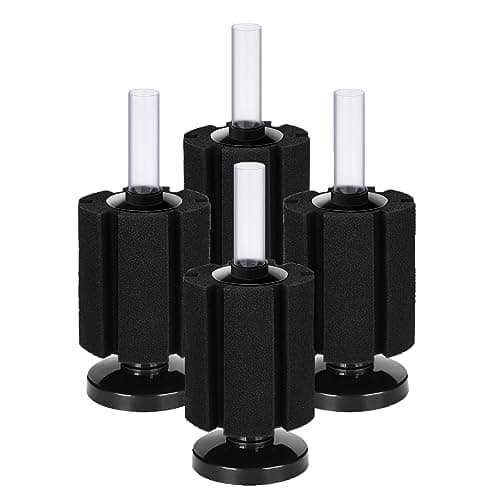
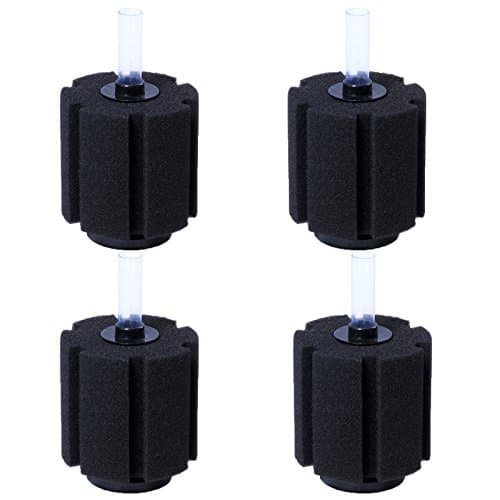
AQUANEAT Aquarium Sponge Filter Breeding Fry Betta Shrimp Nano Fish Tank 4pcs (M Large up to 50Gal)
Best for keepers who want multiple gentle filters in one purchase.
- Four filters add flexibility
- Good backup or multi-tank value
- Air pump not included
Who this is for: Best for aquarium owners who need a simple, fish-safe filter choice for bettas, fry, shrimp, or small-to-medium tanks.
What is an Aquarium Filter Buying Guide? A Complete 2026 Guide
If you’re trying to choose an aquarium filter, the hard part is usually sorting through flow rates, tank sizes, sponge types, and “quiet” claims that don’t always mean the same thing. This aquarium filter buying guide explains how filters work, what features matter most, and which options make sense for different tank setups. By the end, you’ll know how to match the right filter to your fish, tank size, and maintenance style without overbuying or underfiltering.
How It Works
An aquarium filter cleans water in three main ways: it traps floating debris, supports beneficial bacteria that break down toxic waste, and keeps water moving so oxygen can circulate. In many sponge filters, air from an external pump pushes bubbles through the filter body, creating gentle lift and circulation while water passes through the sponge and bio media. That combination is especially useful in small, breeding, shrimp, and fry tanks because it offers filtration without strong suction or heavy current.
Different filter styles emphasize different jobs. Mechanical filtration removes visible particles, biological filtration helps convert ammonia and nitrite into less harmful compounds, and aeration improves overall water quality by increasing oxygen exchange at the surface. A good aquarium filter buying guide should help you think beyond “clean-looking water” and focus on stable, fish-safe water conditions.
Key Benefits & Use Cases
The right filter does more than make the tank look clear. It helps reduce stress, supports fish health, and lowers the frequency of major water quality swings that can happen in underfiltered aquariums.
- Breeding and fry tanks: Gentle sponge filters are popular because they filter water without sucking in tiny fish.
- Shrimp tanks: Low-flow designs protect delicate shrimp and biofilm while still offering biological filtration.
- Betta tanks: Bettas generally do better with calm water movement rather than strong currents.
- Small community tanks: Compact sponge filters can be a simple, affordable way to maintain stable water.
- Large tanks: Bigger sponge systems or multiple filters can help increase surface area for beneficial bacteria and support heavier bioloads.
For many hobbyists, the biggest advantage is reliability. Sponge filters are simple, easy to maintain, and widely supported by owner reviews for quiet operation and fish safety. They’re not the only option, but they are often one of the easiest to understand and use correctly.
What to Look For When Buying
1) Tank Size Rating
Always match the filter to the aquarium’s actual gallon size, not just the fish count. A filter rated for 10 gallons won’t be enough for a 20-gallon tank with active fish or heavy feeding.
2) Filtration Type
Look for mechanical and biological filtration together whenever possible. Sponge media is good for trapping debris and hosting beneficial bacteria, while ceramic media can add more surface area for biofiltration.
3) Flow Strength
Gentle flow is best for bettas, fry, shrimp, and hatcheries. More active community tanks may need stronger circulation, but too much current can stress fish and reduce feeding comfort.
4) Maintenance and Cleaning
Choose a filter you can clean without hassle. Many sponge filters should be rinsed in aquarium water only, which helps preserve the beneficial bacteria colony that keeps your tank stable.
5) Compatibility and Included Parts
Check whether the filter needs an air pump, airline tubing, suction cups, check valves, or extra media. A lower sticker price can become less appealing if you still need to buy several accessories separately.
Top Recommended Products
100-120 Gal Large Aquarium Sponge Filter with Air Stone and Ceramic Media ✓ Prime $18.99


This is the strongest option in the list for larger aquariums, and it stands out because it combines sponge filtration with ceramic media and included accessories. Manufacturer specs also note an air-stone-style bubble diffuser, reusable media, and support for tanks in the 100-120 gallon range.
- ✓ Dual filtration with sponge and ceramic media
- ✓ Includes tubing, suction cups, and check valves
- ✓ Designed for larger tanks with gentle aeration
- ✗ Air pump is not included
- ✗ May be overkill for small tanks
Pawfly 3 Pack Aquarium Sponge Filter Quiet Betta Fry Shrimp and Small Fish Foam Filter for Tiny Fish Tank up to 10 Gallon ✓ Prime $6.68


If you need a low-cost option for a small tank, this 3-pack is a straightforward pick. The specs emphasize fine sponge filtration, quiet air-powered operation, and a size range that fits roughly 5-10 gallon setups.
- ✓ Very affordable 3-pack value
- ✓ Gentle enough for betta, fry, and shrimp tanks
- ✓ Simple design is easy to rinse and reuse
- ✗ Air pump not included
- ✗ Limited to small tanks
AQUANEAT Aquarium Bio Sponge Filter Breeding Fry Betta Shrimp Nano Fish Tank (Large up to 60Gal) ✓ Prime 10% OFF — Was $9.99 $8.98

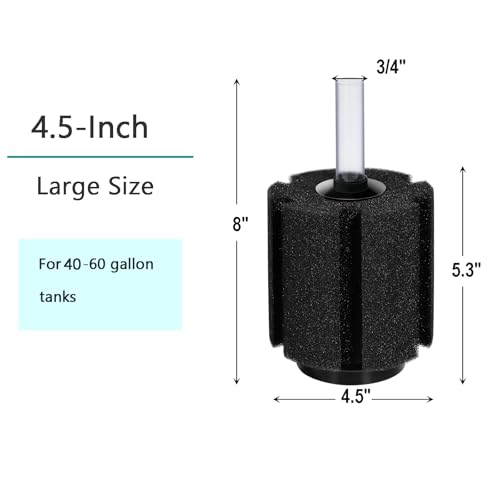

This model is a strong middle-ground choice for hobbyists who want a single sponge filter for a medium-sized aquarium. Manufacturer details highlight mechanical and biological filtration, tiny bubbles for oxygenation, and minimal current for sensitive fish.
- ✓ Good size range for 40-60 gallon tanks
- ✓ Minimal current suits bettas and fry
- ✓ Simple setup and maintenance
- ✗ Air pump not included
- ✗ Single-filter format may not suit heavier bioloads alone
AQUANEAT Aquarium Sponge Filter Breeding Fry Betta Shrimp Nano Fish Tank 4pcs (M Large up to 50Gal) ✓ Prime $18.98
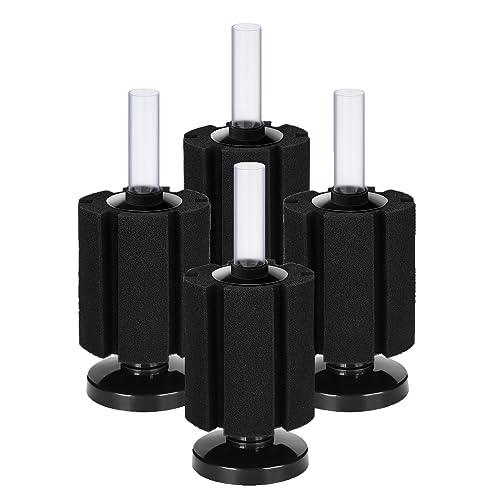


This four-pack is best for hobbyists who want multiple filters for one larger setup or several smaller tanks. The product details emphasize gentle filtration, easy cleaning, and a broad use case for breeding and fry tanks.
- ✓ Four filters add flexibility
- ✓ Good for multiple tanks or backup use
- ✓ Safe, low-current design for small fish
- ✗ Air pump not included
- ✗ Higher upfront cost than a single small filter
Common Mistakes to Avoid
- Buying by tank label only: A “10-gallon” filter may not be enough if your tank is heavily stocked or fed often.
- Forgetting the air pump: Many sponge filters need a separate air pump, so check the full setup cost before buying.
- Using too much flow: Strong current can stress bettas, fry, shrimp, and other delicate fish.
- Cleaning with tap water: That can harm beneficial bacteria; many manufacturers recommend rinsing in aquarium water only.
- Ignoring maintenance: Even simple sponge filters need regular rinsing and occasional part replacement to stay effective.
Frequently Asked Questions
What size aquarium filter do I need?
Choose a filter rated for your tank size, then consider your stocking level. Heavier stocking or messy fish usually calls for a stronger filter than the minimum rating.
Are sponge filters good for betta fish?
Yes. Sponge filters are often a good fit for bettas because they create gentle flow and reduce the risk of strong suction.
Do sponge filters need an air pump?
Usually yes. Most sponge filters are air-driven, so you’ll need an air pump and airline tubing unless the product explicitly says otherwise.
How often should I clean an aquarium sponge filter?
Many manufacturers recommend cleaning every 2 to 4 weeks, using aquarium water rather than tap water to protect beneficial bacteria.
Is a sponge filter enough for a large aquarium?
It can be, depending on tank size, fish load, and how many filters you use. Larger tanks often do better with a higher-capacity filter or multiple sponge filters.
Frequently asked questions
What size aquarium filter do I need?
Choose a filter rated for your tank size, then consider your stocking level. Heavier stocking or messy fish usually calls for a stronger filter than the minimum rating.
Are sponge filters good for betta fish?
Yes. Sponge filters are often a good fit for bettas because they create gentle flow and reduce the risk of strong suction.
Do sponge filters need an air pump?
Usually yes. Most sponge filters are air-driven, so you’ll need an air pump and airline tubing unless the product explicitly says otherwise.
How often should I clean an aquarium sponge filter?
Many manufacturers recommend cleaning every 2 to 4 weeks, using aquarium water rather than tap water to protect beneficial bacteria.
Is a sponge filter enough for a large aquarium?
It can be, depending on tank size, fish load, and how many filters you use. Larger tanks often do better with a higher-capacity filter or multiple sponge filters.
Score breakdown
- value
- 9.0
- usability
- 8.0
- durability
- 8.0
- performance
- 8.0
- buyerFeedback
- 8.0

How Scout Picks
Specs & standards
We start from manufacturer specs and category standards.
Expert tests
We weigh independent expert and lab test results.
Verified owner reviews
We read patterns across thousands of real owners.
Scout is our illustrated guide — we research from specs, independent expert tests, and thousands of verified owner reviews. We don't lab-test products ourselves.
How we pick →Get the Full Pet Gear Buyer's Guide
Join our free newsletter — we'll send our latest Pet Gear picks, specs and verdicts straight to your inbox.
Free. No spam. Unsubscribe anytime.
Was this review helpful?
Be the first to share your feedback on this review.
Sign in to vote and let us know what you think.
Discussion (0)
No comments yet. Be the first to start the discussion.
Related Reviews
What is How to Cycle a New Tank? A Complete 2026 Guide
If you’re learning how to cycle a new tank , the biggest pain point is usually the same: fish die-offs, cloudy water, and confusing advice about when it’s “safe” to add livestock. The good news is that cycling is a straightforward biological process once you understand what’s happening in the filter
What is a Beginner Aquarium Setup Checklist? A Complete 2026 Guide
A beginner aquarium setup checklist is a simple planning tool that helps new fishkeepers gather the right tank, equipment, and supplies before adding fish. It reduces guesswork, prevents common setup mistakes, and makes it easier to create a healthy environment from day one. If you want to avoid rus