Scout's Take
The pick worth buying
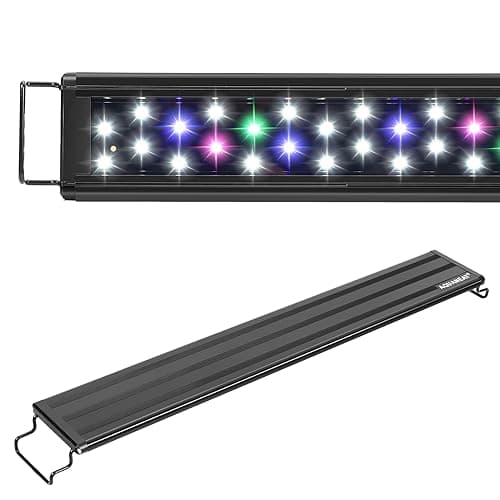
AQUANEAT LED Aquarium Light Full Spectrum 12 Inch Fish Tank Light Fresh Water
The cheapest practical pick for a small freshwater aquarium.
- Very low price
- Simple setup for small tanks
- No dimmer or timer
Who this is for: Best for aquarium owners who need a clear buying guide and the right light for plants, fish health, and tank appearance.
What is Aquarium Lighting Explained? A Complete 2026 Guide
If you’re trying to figure out aquarium lighting explained without getting lost in jargon, you’re probably asking the same practical question: what light do your fish and plants actually need? The short answer is that aquarium lighting is not just for looks—it affects plant growth, fish behavior, color, and how easy your tank is to maintain. This guide breaks down how aquarium lights work, what matters when buying one, and which researched picks stand out in 2026.
How It Works
Aquarium lights are designed to simulate parts of natural daylight in a controlled indoor environment. Most modern tank lights use LEDs because they’re energy efficient, run relatively cool, and can be tuned to different colors and brightness levels for freshwater planted tanks, fish-only setups, or display tanks.
For planted aquariums, the main goal is to provide enough usable light for photosynthesis. That usually means a balanced spectrum with strong white light and some red/blue support, since plants use those wavelengths efficiently. For fish-only tanks, lighting is more about visibility, color enhancement, and maintaining a day-night rhythm that helps fish feel secure.
Many aquarium lights now include timers, dimmers, and “sunrise/sunset” modes. These features let the light ramp up and down gradually instead of switching on abruptly, which is gentler on fish and looks more natural in the room. Some models also offer moonlight or low-blue nighttime settings for viewing without blasting the tank with bright light.
Key Benefits & Use Cases
1) Healthier plant growth
If you keep live plants, the right aquarium light helps support photosynthesis, root development, and overall growth. Full-spectrum lights are especially useful for beginner planted tanks and low-to-moderate light species.
2) Better fish visibility and color
Good lighting makes fish easier to observe and can make natural colors pop. That’s helpful for community tanks, display aquariums, and anyone who wants a more polished look.
3) More natural behavior
Fish often respond better to a consistent light cycle than to random room lighting. Timer-based lights can help create a routine that supports feeding, resting, and activity patterns.
4) Easier tank presentation
Lighting can dramatically change how a tank looks. A well-chosen fixture can reduce harsh glare, improve color rendering, and create sunrise or moonlight effects that make the aquascape feel more realistic.
5) Flexible setups
Clip-on, extendable, and multi-channel lights are useful for different tank sizes and shapes. If you have a rimless tank, a small aquarium, or multiple tanks, these features can make installation much simpler.
What to Look For When Buying
1) Tank size and mounting style
Always match the light to your tank length and rim style. Some lights are made for 12-inch nano tanks, while others stretch to 18, 20, or more inches. Clip-on and extendable brackets are especially useful if your tank has a lid, rim, or unusual dimensions.
2) Spectrum and brightness control
For planted tanks, look for full-spectrum LEDs or at least a balanced white/red/blue mix. Dimming is important because too much light can trigger algae problems, while too little may slow plant growth.
3) Timer and photoperiod features
Built-in timers and memory functions reduce guesswork. A gradual sunrise and sunset cycle is a plus if you want a more natural look and less stress on fish.
4) Build quality and heat management
Aluminum housings, decent heat dissipation, and sturdy brackets usually indicate better longevity. A separable adapter or replaceable component design can also be a smart value feature.
5) Ease of use and maintenance
Simple controllers matter more than many buyers expect. If the settings are confusing, you may never use the light to its full potential. Also check whether the fixture is splash-resistant or needs to be kept well away from water.
Top Recommended Products
Below are the strongest researched options based on manufacturer specs, published product details, and verified owner feedback patterns. Since this is a research-based guide, these picks are not based on hands-on testing.
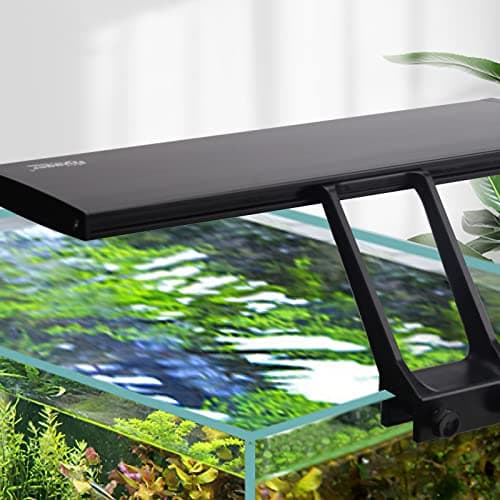
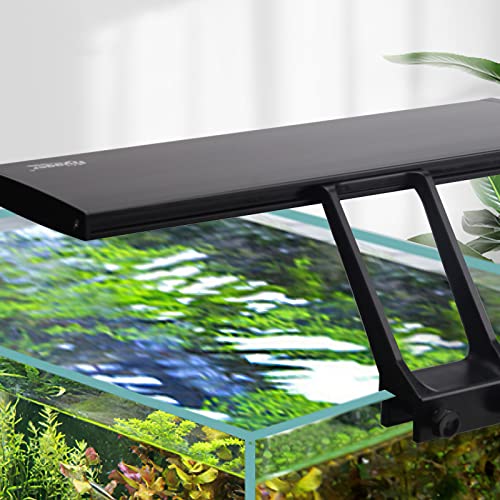 hygger Clip On 24/7 Lighting Aquarium LED Light 4.7★ (research-based pick) ✓ Prime 11% OFF — Was $28.49
This is the best fit if you want a polished, automated lighting schedule without jumping to a premium price. The 24/7 sunrise-to-moonlight routine, DIY color control, and adjustable brightness make it especially appealing for planted freshwater tanks in the 12- to 20-inch range.
- ✓ 24/7 natural mode with sunrise, daylight, and moonlight simulation
- ✓ DIY mode with 6h, 10h, or 12h timer options and 5 brightness levels
- ✓ Clip-style bracket and separable adapter improve installation and serviceability
- ✓ Soft light with CRI close to natural light for a more comfortable viewing experience
- ✗ More expensive than basic nano-tank lights
- ✗ Best suited to smaller tanks rather than large aquariums
 SEAOURA Led Aquarium Light for Plants Growth 4.6★ (research-based pick) ✓ Prime 19% OFF — Was $19.99
This is a strong value choice for beginners who want a straightforward planted-tank light with useful controls. The full-spectrum output, 10 brightness levels, and memory function make it easy to set and forget for a 12- to 18-inch aquarium.
- ✓ Full-spectrum lighting suited to freshwater tanks and plant growth
- ✓ 10 brightness levels plus 6h, 10h, and 12h timer settings
- ✓ Memory function helps preserve settings after a power loss
- ✓ Extendable metal bracket fits a wide range of tank styles
- ✗ Not as advanced as multi-channel premium lights
- ✗ Best for medium-small tanks rather than larger aquascapes
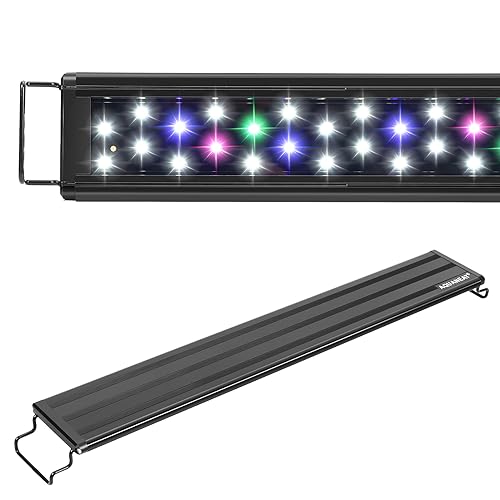 AQUANEAT LED Aquarium Light Full Spectrum 12 Inch Fish Tank Light Fresh Water 4.3★ (research-based pick) ✓ Prime Budget-friendly price
If you need the lowest-cost option for a small freshwater tank, this is the clear budget pick. It keeps things simple with on/off operation and a compact footprint that suits 11- to 14-inch tanks, especially around the 2.5-gallon size.
- ✓ Very affordable entry point for small freshwater tanks
- ✓ Compact size with extendable brackets
- ✓ Simple operation is easy for first-time aquarium owners
- ✓ Includes white, blue, pink, and green LEDs for basic visual appeal
- ✗ No timer or dimmer
- ✗ Not waterproof, so splash protection matters
 hygger Clip On Aquarium LED Light with Multi-Channel Controller 4.8★ (research-based pick) ✓ Prime Premium feature set
This is the best overall pick for hobbyists who want advanced control, especially if they’re lighting multiple tanks or a larger aquascape. The synchronized multi-light control, hidden wiring, and 24/7 natural mode make it the most capable option in the lineup.
- ✓ Multi-channel controller can sync 2 or 3 lights at once
- ✓ Great for medium and large landscape tanks or multiple small tanks
- ✓ 24/7 sunrise, daylight, and moonlight simulation
- ✓ Separable adapter and concealed wiring improve usability and aesthetics
- ✗ Costs more than single-light budget options
- ✗ More features than a basic setup may need
Common Mistakes to Avoid
Using too much light
More brightness is not always better. Overlighting can encourage algae growth and stress fish, especially if the tank is small or the photoperiod is too long.
Ignoring tank size
A light that’s too short may leave dark spots, while one that’s too powerful for a nano tank can be overwhelming. Always match the fixture to the aquarium’s dimensions and livestock.
Skipping a timer
Manually turning lights on and off sounds simple, but inconsistent timing can disrupt fish routines. A built-in timer is one of the most useful convenience features you can buy.
Choosing by color only
Blue-heavy lights may look dramatic, but they’re not always ideal for plant growth. Spectrum and brightness control matter more than flashy color effects.
Placing the light too close to water
Unless a fixture is specifically designed for wet environments, keep it protected from splashes. Moisture can shorten lifespan and create maintenance headaches.
Frequently Asked Questions
What is aquarium lighting used for?
Aquarium lighting is used to help plants photosynthesize, make fish easier to see, and create a natural day-night cycle in the tank. It also improves the overall look of the aquarium.
Do fish need aquarium lights on all the time?
No. Fish generally do better with a consistent light cycle and a dark period for rest. Most aquariums benefit from a timer that keeps the light on for a set number of hours each day.
What color light is best for a freshwater aquarium?
For most freshwater tanks, a balanced full-spectrum light with strong white output is the best starting point. Red and blue channels can help with plant growth and appearance, but full-spectrum matters more than one color alone.
How many hours a day should aquarium lights be on?
Many freshwater tanks do well with about 6 to 10 hours of light per day, depending on plant type, tank setup, and algae control. A timer makes this much easier to manage consistently.
What is the best aquarium light for beginners?
A beginner-friendly aquarium light is one with simple controls, adjustable brightness, and a built-in timer. In this roundup, the SEAOURA Led Aquarium Light for Plants Growth is a strong easy-to-use option, while the hygger Clip On 24/7 model adds more automation.
Frequently asked questions
What is aquarium lighting used for?
Aquarium lighting is used to help plants photosynthesize, make fish easier to see, and create a natural day-night cycle in the tank. It also improves the overall look of the aquarium.
Do fish need aquarium lights on all the time?
No. Fish generally do better with a consistent light cycle and a dark period for rest. Most aquariums benefit from a timer that keeps the light on for a set number of hours each day.
What color light is best for a freshwater aquarium?
For most freshwater tanks, a balanced full-spectrum light with strong white output is the best starting point. Red and blue channels can help with plant growth and appearance, but full-spectrum matters more than one color alone.
How many hours a day should aquarium lights be on?
Many freshwater tanks do well with about 6 to 10 hours of light per day, depending on plant type, tank setup, and algae control. A timer makes this much easier to manage consistently.
What is the best aquarium light for beginners?
A beginner-friendly aquarium light is one with simple controls, adjustable brightness, and a built-in timer. In this roundup, the SEAOURA Led Aquarium Light for Plants Growth is a strong easy-to-use option, while the hygger Clip On 24/7 model adds more automation.

How Scout Picks
Specs & standards
We start from manufacturer specs and category standards.
Expert tests
We weigh independent expert and lab test results.
Verified owner reviews
We read patterns across thousands of real owners.
Scout is our illustrated guide — we research from specs, independent expert tests, and thousands of verified owner reviews. We don't lab-test products ourselves.
How we pick →Get the Full Pet Gear Buyer's Guide
Join our free newsletter — we'll send our latest Pet Gear picks, specs and verdicts straight to your inbox.
Free. No spam. Unsubscribe anytime.
Was this review helpful?
Be the first to share your feedback on this review.
Sign in to vote and let us know what you think.
Discussion (0)
No comments yet. Be the first to start the discussion.
Related Reviews
What is How to Cycle a New Tank? A Complete 2026 Guide
If you’re learning how to cycle a new tank , the biggest pain point is usually the same: fish die-offs, cloudy water, and confusing advice about when it’s “safe” to add livestock. The good news is that cycling is a straightforward biological process once you understand what’s happening in the filter
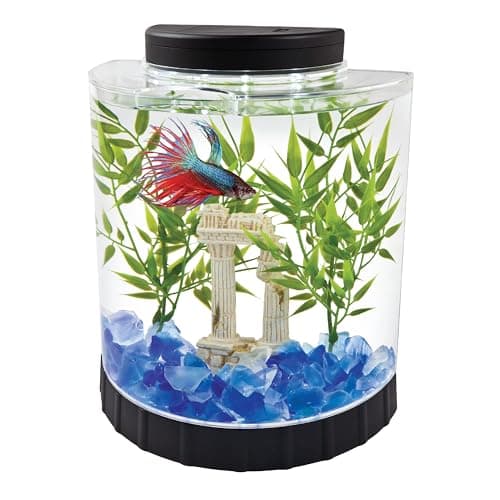
What is a Beginner Aquarium Setup Checklist? A Complete 2026 Guide
A beginner aquarium setup checklist is a simple planning tool that helps new fishkeepers gather the right tank, equipment, and supplies before adding fish. It reduces guesswork, prevents common setup mistakes, and makes it easier to create a healthy environment from day one. If you want to avoid rus