


Scout's Take
3 picks worth buying
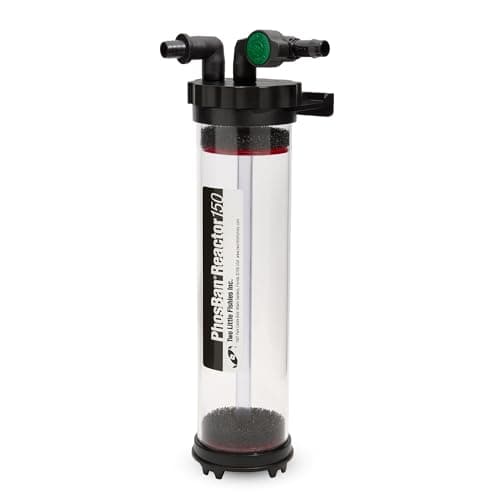
Two Little Fishies ATLPBR150 GFO PhosBan Reactor 150
The most balanced choice for most reef tanks thanks to its versatile design and practical media capacity.
- Efficient upflow design
- Works with PhosBan and carbon
- Good fit for up to 150 gallons
- Not ideal for very small tanks
- Large systems may need more than one
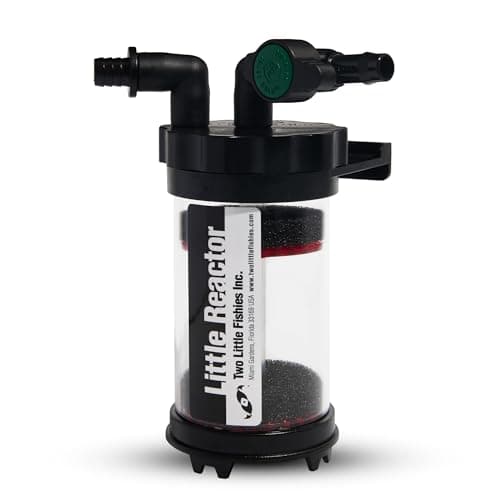
Two Little Fishies Little Reactor Nano Aquarium Media Reactor | Compact Media Reactor, Up to 75 Gallons, Upflow Design, Adjustable Flow, Nano & Frag Tanks
A space-saving reactor that makes sense for smaller tanks needing phosphate control without a bulky footprint.
- Compact for nano and frag tanks
- Upflow design with dispersion plate
- Supports PhosBan and carbon
- Lower media capacity
- Less suited to larger systems
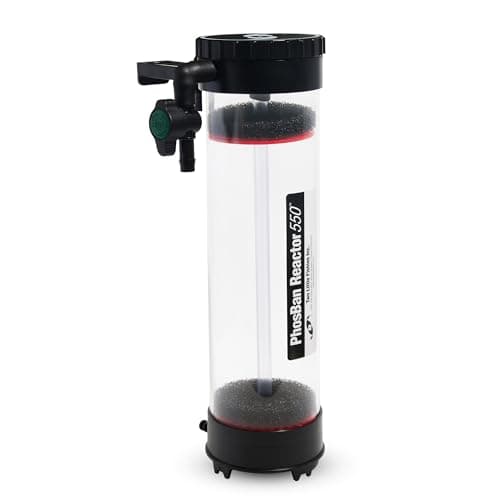
Two Little Fishies ATLPBR550 GFO PhosBan Reactor 550
The strongest option when you need maximum media capacity for a larger aquarium system.
- High media capacity
- Built for up to 600 gallons
- Works with multiple filter media
- Oversized for many tanks
- Takes more space
Who this is for: Best for reef keepers who need a reliable reactor to control phosphate in nano, mid-size, or large saltwater aquariums.
3 Best Aquarium Media Reactors for Phosphate Removal in 2026 — Cleaner Water for Reef Tanks, Frag Systems, and Nano Setups
If phosphate has been fueling algae, clouding your water goals, or making it harder to keep a reef tank stable, the right reactor can make a big difference. The best aquarium media reactors for phosphate removal move water evenly through GFO or other chemical media so you get more consistent contact and less waste. In this Scout’s Picks roundup, we narrowed the field to three well-documented options from Two Little Fishies, based on manufacturer specs, published expert guidance, and verified owner feedback.
Because this is a research-based review, not hands-on testing, the picks below are built around flow design, media capacity, tank-size fit, and long-term user satisfaction. You’ll find one compact budget choice, one balanced all-rounder, and one high-capacity reactor for larger systems. If your goal is simpler phosphate control with less guesswork, these are the models most worth a look.
Quick Picks
| Rank | Product | Best For |
|---|---|---|
| 1 | Two Little Fishies ATLPBR150 GFO PhosBan Reactor 150 | Most reef tanks needing a balanced, versatile phosphate reactor |
| 2 | Two Little Fishies Little Reactor Nano Aquarium Media Reactor | Nano tanks, frag tanks, and space-limited setups |
| 3 | Two Little Fishies ATLPBR550 GFO PhosBan Reactor 550 | Large aquariums and high-media-capacity phosphate control |
1. Two Little Fishies ATLPBR150 GFO PhosBan Reactor 150 — Best Overall


Verdict: The most balanced pick here, with a proven upflow design, solid media capacity, and tank-size flexibility that makes it a strong fit for many reef systems.
- ✓ Efficient upflow design pushes water from the bottom upward through a dispersion plate for even media contact.
- ✓ Sized for aquariums up to 150 gallons, which covers a wide range of reef and mixed systems.
- ✓ Works with PhosBan, other chemical filter media, and activated carbon for added versatility.
- ✓ Holds up to 200 g / 385 ml of PhosBan, giving it respectable capacity without becoming oversized.
- ✗ Not the best fit for very small aquariums where a compact reactor makes more sense.
- ✗ Larger systems may need multiple reactors rather than one unit.
- ✗ Media and flow tuning still matter, so it is not a set-and-forget solution.
2. Two Little Fishies Little Reactor Nano Aquarium Media Reactor — Best Budget


Verdict: A compact, space-saving reactor that brings the same upflow approach to smaller tanks and frag systems without taking over your sump.
- ✓ Compact design is ideal for nano aquariums and frag tanks where space is limited.
- ✓ Upflow design and dispersion plate help keep media moving evenly.
- ✓ Supports PhosBan and activated carbon, making it useful beyond phosphate removal alone.
- ✓ Rated for aquariums up to 75 gallons, which fits many smaller reef builds well.
- ✗ Lower media capacity means less headroom for larger or heavily stocked systems.
- ✗ May require more frequent media changes if phosphate levels are stubborn.
- ✗ Not the right pick if you want one reactor for a bigger display tank.
3. Two Little Fishies ATLPBR550 GFO PhosBan Reactor 550 — Best for Large Systems


Verdict: The high-capacity option for reef keepers who need more media volume, higher tank coverage, and a reactor built for bigger phosphate-control jobs.
- ✓ Designed for aquariums up to 600 gallons, making it the strongest fit for larger systems in this roundup.
- ✓ Holds up to 750 g / 1.25 L of PhosBan for extended media capacity.
- ✓ Upflow design helps maintain even water distribution through the media bed.
- ✓ Can also be used with activated carbon and other chemical filter media.
- ✗ More reactor than many small and medium tanks actually need.
- ✗ Takes up more space than the compact model.
- ✗ Best value depends on whether you truly need the extra capacity.
How We Chose These Products
To build this list of the best aquarium media reactors for phosphate removal, we focused on the features that matter most in real reef-keeping use:
- Flow design: We prioritized reactors with upflow water movement and dispersion plates, since even media contact is key for phosphate control.
- Tank-size match: Each pick is clearly suited to a different aquarium size class, from nano tanks to large systems.
- Media capacity: Higher-capacity designs matter for longer run times and larger phosphate loads.
- Versatility: We favored reactors that can run GFO/PhosBan and activated carbon.
- Owner feedback: We looked for consistent praise around ease of use, reliable flow behavior, and fit for reef applications.
- Brand track record: Two Little Fishies has a long-standing reputation in reef filtration, which helps support confidence in these models.
We did not include products that lacked clear specs, tank-size guidance, or enough documented owner and expert feedback to compare fairly.
Frequently Asked Questions
What does a phosphate reactor do in an aquarium?
A phosphate reactor pushes aquarium water through chemical media such as GFO or PhosBan so it can help remove dissolved phosphate before it fuels algae growth.
What size reactor do I need for my reef tank?
Choose a reactor based on your aquarium volume, phosphate load, and available sump space. Smaller tanks usually do best with the nano model, while mid-sized and larger systems benefit from the 150 or 550.
Can I use activated carbon in these reactors?
Yes. All three models in this roundup are designed to work with PhosBan or other chemical filter media, and they can also be filled with activated carbon.
How often should I replace phosphate media?
Replacement timing depends on nutrient load, stocking, feeding, and test results. Many reef keepers monitor phosphate regularly and change media when levels begin to rise again.
Is a bigger reactor always better for phosphate removal?
Not necessarily. A reactor that is too large for the tank can be inefficient, while a properly sized unit gives better media use and easier flow control.
Frequently asked questions
What does a phosphate reactor do in an aquarium?
A phosphate reactor pushes aquarium water through chemical media such as GFO or PhosBan so it can help remove dissolved phosphate before it fuels algae growth.
What size reactor do I need for my reef tank?
Choose a reactor based on your aquarium volume, phosphate load, and available sump space. Smaller tanks usually do best with the nano model, while mid-sized and larger systems benefit from the 150 or 550.
Can I use activated carbon in these reactors?
Yes. All three models in this roundup are designed to work with PhosBan or other chemical filter media, and they can also be filled with activated carbon.
How often should I replace phosphate media?
Replacement timing depends on nutrient load, stocking, feeding, and test results. Many reef keepers monitor phosphate regularly and change media when levels begin to rise again.
Is a bigger reactor always better for phosphate removal?
Not necessarily. A reactor that is too large for the tank can be inefficient, while a properly sized unit gives better media use and easier flow control.

How Scout Picks
Specs & standards
We start from manufacturer specs and category standards.
Expert tests
We weigh independent expert and lab test results.
Verified owner reviews
We read patterns across thousands of real owners.
Scout is our illustrated guide — we research from specs, independent expert tests, and thousands of verified owner reviews. We don't lab-test products ourselves.
How we pick →Get the Full Pet Gear Buyer's Guide
Join our free newsletter — we'll send our latest Pet Gear picks, specs and verdicts straight to your inbox.
Free. No spam. Unsubscribe anytime.
Was this review helpful?
Be the first to share your feedback on this review.
Sign in to vote and let us know what you think.
Discussion (0)
No comments yet. Be the first to start the discussion.
Related Reviews
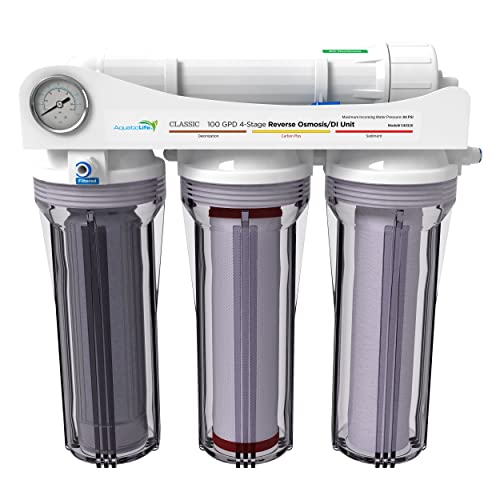
8 Best Aquarium RO/DI Systems in 2026 — Zero-TDS Water for Cleaner Reefs and Healthier Tanks
If you’re tired of chasing algae, unstable parameters, or mystery contaminants in your tank water, the right RO/DI system can make a huge difference. This roundup focuses on aquarium-ready systems that are built to strip out dissolved solids, reduce chlorine/chloramine, and deliver cleaner water for

8 Best Aquarium Auto Top Off Systems in 2026 — Stable Water Levels Without Constant Manual Refills
If you’re tired of topping off evaporated water by hand, an auto top off system can make aquarium care far more consistent. The best aquarium auto top off systems help keep water level and salinity steadier, which is especially important for reef tanks and other sensitive setups. Below, Scout’s Pick

1 Best 75 Gallon Aquarium Tank in 2026 — Best Reef-Ready Rimless Build for a Clean Overflow Setup
If you’re searching for the best 75 gallon aquarium tank, the hardest part is usually separating true aquarium-ready builds from generic glass boxes. A 75-gallon setup also needs the right footprint, glass thickness, and overflow design if you want a cleaner plumbing layout and fewer headaches later