


Scout's Take
The pick worth buying

BiOrb 46020.0 Water Optimizer Aquariums
The best all-around choice for buyers who want a lighter, display-focused wall aquarium with simplified maintenance.
- Lightweight acrylic build
- 5-stage filtration
- Easy cartridge system
- Still needs proper wall support
- Compact footprint limits scale
Who this is for: Best for buyers who want a wall-mounted aquarium that balances lighter weight, easier upkeep, and strong display appeal.
How to Choose the Best Wall Mounted Aquarium in 2026: Complete Buying Guide
If you’re figuring out how to choose a wall mounted aquarium: weight, mounting and size, the biggest challenge is matching the tank to your wall before you ever think about fish. A beautiful wall aquarium can become a structural headache if the mounting system, wall type, or filled weight is wrong for your space. This guide breaks down the key specs to check, the mistakes to avoid, and the best research-backed options to consider so you can buy with confidence.
Key Features to Look For
1) Filled Weight and Structural Load
The most important factor in how to choose a wall mounted aquarium: weight, mounting and size is the total filled weight, not the empty tank weight. Water is heavy, and once you add substrate, décor, filtration, and the tank itself, the load can increase quickly. Always make sure the wall, anchors, and mounting hardware are rated for the full system weight, not just the aquarium shell.
2) Wall Type and Mounting Surface
Not every wall is equally suitable. Solid masonry and properly reinforced walls are typically better candidates than standard drywall alone. If the aquarium is designed to hang or recess into a wall, the mounting surface should be checked carefully for studs, backing, and any manufacturer-specific reinforcement requirements. This is one of the most common places buyers go wrong.
3) Aquarium Dimensions and Viewing Profile
Wall-mounted aquariums are often chosen for their space-saving, decorative appeal, so dimensions matter just as much as capacity. A slimmer profile can look sleek and fit tighter spaces, but it may limit aquascaping and stocking options. A wider design can offer a better viewing window and more stable water conditions, but it may require stronger support and more wall space.
4) Material Strength and Clarity
For wall installations, material choice affects both safety and appearance. Acrylic is often favored in wall-mounted designs because it is lighter than glass and can be highly impact resistant. Glass can offer excellent clarity, but it may be heavier and less forgiving in certain wall applications. The best choice depends on the product’s design and the support system it uses.
5) Filtration and Maintenance Access
A wall aquarium is only practical if you can maintain it without tearing apart your room. Look for filtration systems that are easy to access, clean, and replace. A well-designed filter chamber or cartridge system can make routine care much simpler, especially if the tank is positioned high on a wall or in a tight display area.
6) Water Stability and Oxygenation
Smaller or more compact wall-mounted aquariums can be less forgiving when it comes to water quality. Features that support biological filtration, mechanical filtration, chemical filtration, and oxygenation help keep conditions more stable. That matters because wall tanks are often chosen for display first, but fish health depends on consistency.
7) Safety Features and Build Quality
Because wall-mounted aquariums are elevated and visually prominent, build quality is non-negotiable. Look for secure seams, dependable mounting hardware, and a design that minimizes the chance of leaks or shifting after installation. A product with strong material claims and a purpose-built mounting approach is usually a safer bet than a generic tank adapted for wall use.
What to Avoid
When researching how to choose a wall mounted aquarium: weight, mounting and size, avoid these common mistakes:
- Ignoring filled weight: A tank may look light empty, but once filled it can stress an unsupported wall.
- Using drywall alone: Mounting into weak surfaces without proper reinforcement is a major risk.
- Choosing size based only on aesthetics: A sleek tank that is too small can be harder to keep stable and healthy.
- Overlooking access for maintenance: If you can’t reach the filter or clean the interior, upkeep becomes frustrating fast.
- Assuming all acrylic or glass tanks are equal: Material quality, thickness, and design matter more than the label alone.
- Skipping manufacturer guidance: If the product has specific wall or installation requirements, follow them exactly.
Our Top Picks
Because this is a research-based buying guide, the recommendations below are based on manufacturer specifications, published product details, and verified owner feedback patterns rather than hands-on testing. For wall-mounted aquarium shoppers, the goal is to find products that make weight, mounting, and maintenance easier to manage.
Best Overall: BiOrb 46020.0 Water Optimizer Aquariums

The BiOrb 46020.0 Water Optimizer Aquariums stands out for buyers who want a lighter, wall-friendlier design with a strong emphasis on filtration and clarity. Its acrylic construction is described as much lighter than glass, which can be a real advantage when you’re thinking about wall load and installation practicality. The included multi-stage filtration approach also makes it appealing for anyone who wants a more manageable maintenance routine in a compact display setup.
- ✓ Acrylic construction is lighter than glass and designed for clearer viewing
- ✓ True 5-stage filtration supports biological, mechanical, chemical, water stabilization, and oxygenation
- ✓ One-size-fits-all filter cartridge simplifies upkeep
- ✓ Better suited to buyers prioritizing a compact, display-focused aquarium
- ✗ Still requires careful wall planning and proper mounting support
- ✗ Not a substitute for checking your wall’s load capacity
- ✗ Compact format may not suit hobbyists wanting a larger aquascape
Budget Guide: What You Get at Each Tier
Budget Tier
At the budget level, buyers usually get a simpler wall-friendly aquarium design with fewer convenience features. Expect a more basic setup that may rely on straightforward filtration and a compact footprint. This tier can work for decorative installations, but it usually demands more careful planning from the buyer, especially around mounting and maintenance access.
Mid-Range Tier
Mid-range wall aquariums typically offer better materials, improved filtration, and a more polished appearance. This is often the sweet spot for buyers who want a balance of visual appeal, easier maintenance, and more confidence in build quality. In this tier, you’re more likely to see thoughtful design details that help with installation and long-term care.
Premium Tier
Premium wall-mounted aquariums usually emphasize stronger materials, refined finishes, and more advanced filtration or stabilization features. These are often the best choices for buyers who want a statement piece and are willing to prioritize design quality, easier upkeep, and better water management. Premium models may also be more suitable for buyers who want a more seamless wall integration.
Frequently Asked Questions
How do I know if my wall can support a wall mounted aquarium?
You need to consider the aquarium’s filled weight, the wall type, and the mounting hardware. A wall should be assessed for structural support, and it’s wise to follow the manufacturer’s installation guidance closely.
Is acrylic better than glass for a wall mounted aquarium?
Acrylic is often favored for wall-mounted designs because it can be lighter and more impact resistant. Glass may offer excellent clarity, but it is usually heavier, which can matter a lot in wall installations.
What size wall mounted aquarium should I buy?
Choose a size that fits your wall space, your maintenance comfort level, and your structural support limits. Larger tanks may offer more stability, but they also increase weight and installation demands.
What is the most common mistake people make with wall aquariums?
The biggest mistake is underestimating the total filled weight and mounting it on an unsuitable wall. Buyers also often forget to plan for filter access and routine maintenance.
Are wall mounted aquariums hard to maintain?
They can be easy or difficult depending on the design. Models with accessible filtration, clear maintenance instructions, and a practical layout are much easier to care for than tanks that are awkward to reach.
Frequently asked questions
How do I know if my wall can support a wall mounted aquarium?
You need to consider the aquarium’s filled weight, the wall type, and the mounting hardware. A wall should be assessed for structural support, and it’s wise to follow the manufacturer’s installation guidance closely.
Is acrylic better than glass for a wall mounted aquarium?
Acrylic is often favored for wall-mounted designs because it can be lighter and more impact resistant. Glass may offer excellent clarity, but it is usually heavier, which can matter a lot in wall installations.
What size wall mounted aquarium should I buy?
Choose a size that fits your wall space, your maintenance comfort level, and your structural support limits. Larger tanks may offer more stability, but they also increase weight and installation demands.
What is the most common mistake people make with wall aquariums?
The biggest mistake is underestimating the total filled weight and mounting it on an unsuitable wall. Buyers also often forget to plan for filter access and routine maintenance.
Are wall mounted aquariums hard to maintain?
They can be easy or difficult depending on the design. Models with accessible filtration, clear maintenance instructions, and a practical layout are much easier to care for than tanks that are awkward to reach.
Score breakdown
- value
- 8.1
- usability
- 8.7
- durability
- 8.4
- performance
- 8.5
- buyerFeedback
- 8.3

How Scout Picks
Specs & standards
We start from manufacturer specs and category standards.
Expert tests
We weigh independent expert and lab test results.
Verified owner reviews
We read patterns across thousands of real owners.
Scout is our illustrated guide — we research from specs, independent expert tests, and thousands of verified owner reviews. We don't lab-test products ourselves.
How we pick →Get the Full Pet Gear Buyer's Guide
Join our free newsletter — we'll send our latest Pet Gear picks, specs and verdicts straight to your inbox.
Free. No spam. Unsubscribe anytime.
Was this review helpful?
Be the first to share your feedback on this review.
Sign in to vote and let us know what you think.
Discussion (0)
No comments yet. Be the first to start the discussion.
Related Reviews
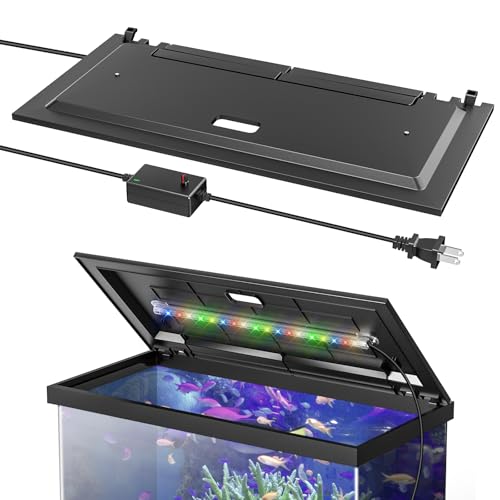
8 Best LED Hood Retrofit Kits for Existing Aquariums in 2026 — Easier Upgrades for Cleaner Light, Better Access, and Less Splash
If your aquarium lighting is outdated, dim, or awkward to work around, a hood retrofit can make the whole tank feel newer without replacing the setup. The best LED hood retrofit kits for existing aquariums combine better illumination, a more finished look, and practical cutouts or feeding access for

AquaIllumination Prime 16HD Review (2026): Specs, Pros & Cons, and Who It's For
If you’re trying to choose a reef light that can handle coral color, custom schedules, and day-to-night transitions without feeling overly complicated, the AquaIllumination Prime 16HD is one of the most talked-about options in the category. The challenge is separating its real strengths from marketi

4 Best Automatic Aquarium Water Change Systems in 2026 — Easier Top-Offs for Stable Tanks
If your tank water keeps evaporating, your salinity drifts, or you’re tired of constant manual top-offs, the right system can make aquarium care far more consistent. The best automatic aquarium water change systems help stabilize water levels, reduce routine maintenance, and add safety features that