Scout's Take
5 picks worth buying
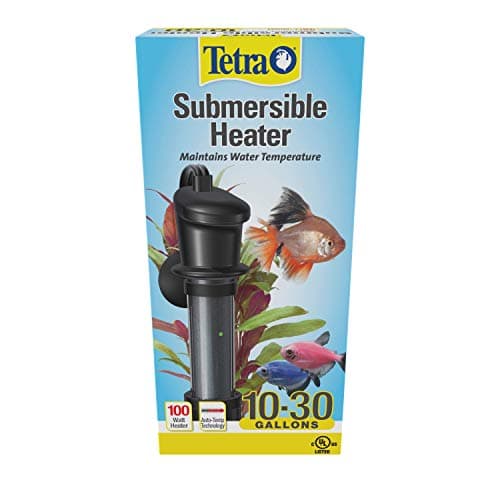
Tetra 100W Submersible Aquarium Heater For 10-30 Gallon Fish Tanks
The best all-around balance of price, simplicity, and tank-size fit for most medium aquariums.
- Sized for 10-30 gallon tanks
- Automatic thermostat keeps 78 degrees
- Fixed temperature only
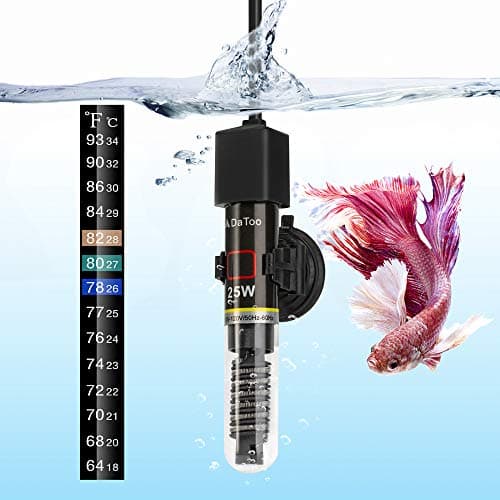
DaToo Mini Aquarium Heater 25W Small Fish Tank Heater 25 Watt with Free Thermometer Sticker
A low-cost, space-saving pick for small betta and desktop aquariums.
- Very compact for nano tanks
- Automatic 78°F control
- Not for tanks under 1 gallon
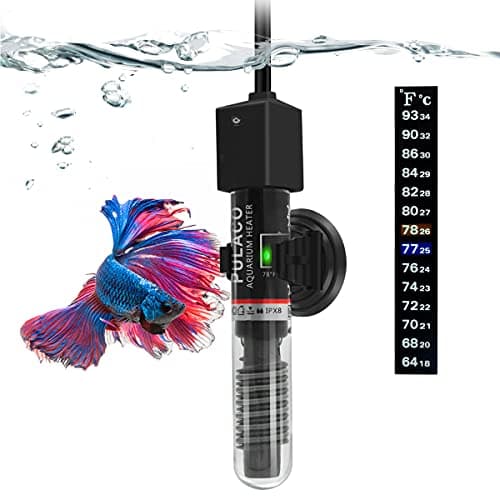
PULACO 25Watt Mini Aquarium Heater, Submersible Betta Heater
An easy starter heater for small aquariums where simplicity matters most.
- Simple plug-in setup
- Vertical or horizontal placement
- Fixed temperature
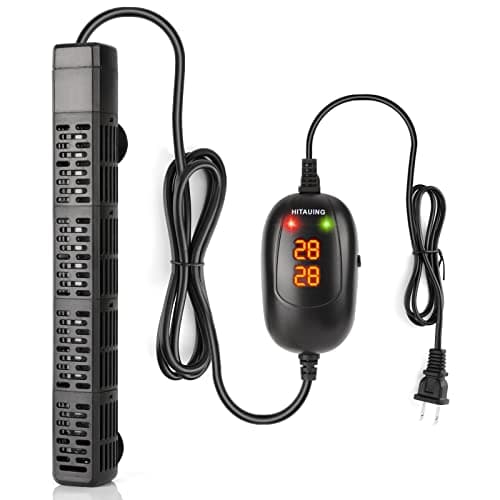
HiTauing Aquarium Heater, 50W/100W/200W/300W/500W Submersible Fish Tank Heater with Over-Temperature Protection and Automatic Power-Off When Leaving Water for Saltwater and Freshwater
A strong choice when you want adjustable control and more safety features for larger tanks.
- Wide temperature range
- Automatic shutoff protection
- More expensive than basic heaters
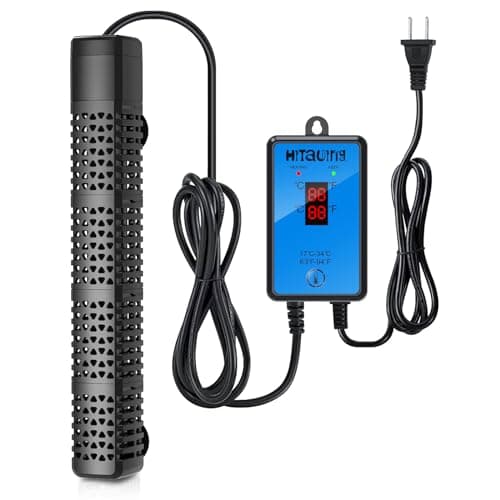
HiTauing Aquarium Heater, Upgraded 300W/500W Fish Tank Heater with Intelligent Leaving Water Automatically Stop Heating and Advanced Temperature Control System, Suitable for Saltwater and Freshwater
The most feature-rich option here for bigger aquariums that need precision and protection.
- Digital LED display
- Removable housing and safety shutoff
- Too much heater for small tanks
Who this is for: Best for aquarium owners who need a safe, correctly sized heater for stable tropical water temperatures.
How to Choose the Best Aquarium Heater in 2026: Complete Buying Guide
If your tank keeps swinging between too cold and too warm, your fish feel it long before you do. The most common mistake buyers make when learning how to choose an aquarium heater is picking the wrong wattage for the tank size, then assuming “more power” automatically means better safety. This guide breaks down the features that matter, the red flags to avoid, and the best researched heater options for different tank sizes and budgets so you can buy with confidence.
Key Features to Look For
1. Correct wattage for your tank size
The single most important factor is matching heater power to your aquarium volume. Too little wattage means the heater struggles to maintain temperature; too much can overshoot or cycle too aggressively if the thermostat is poor. Manufacturer guidance is the starting point, but room temperature and tank shape matter too.
2. Reliable thermostat and temperature control
A heater should hold a steady target temperature, not just warm water occasionally. Models with automatic thermostats or digital controllers are easier to manage and usually better for tropical fish that need consistency. Stable temperature reduces stress, especially for bettas and other sensitive species.
3. Safety shutoff and dry-run protection
Heaters that automatically stop heating when removed from water add an important layer of protection. This feature helps reduce the risk of overheating, cracking, or damage if the water level drops. It is especially useful for busy households or tanks with evaporation issues.
4. Build material and shatter resistance
Quartz glass, protective ABS shells, and explosion-proof designs are worth paying attention to. Aquarium heaters live in a wet, high-risk environment, so durability affects both lifespan and safety. Stronger materials are also helpful in tanks with active fish or tighter equipment placement.
5. Tank type and placement flexibility
Some heaters are designed for submersion only and can be mounted vertically or horizontally, while others are more limited. Flexible placement makes it easier to fit the heater behind decor or near a filter outflow for better circulation. Good water movement helps heat spread evenly throughout the tank.
6. Size of the aquarium and species needs
Small betta tanks, community tropical tanks, and larger freshwater or saltwater setups all need different heater types. A 25W mini heater may be perfect for a 1- to 5-gallon tank, while a 100W or 300W model makes more sense for larger aquariums. Always consider the species’ ideal temperature range before buying.
7. Readable indicators and ease of use
Indicator lights, external displays, and simple installation features make daily use much easier. A clear red/green status light or digital readout helps you confirm whether the heater is actively warming or standing by. That convenience is especially valuable for beginners.
What to Avoid
Buying by tank size alone without checking your room temperature
A heater rated for your aquarium volume may still struggle if your room stays very cold. If your tank sits near a drafty window or in a chilly basement, you may need a stronger model than the basic chart suggests. Always think about the environment around the tank, not just the tank itself.
Using a heater that is too powerful for tiny tanks
Overpowered heaters can heat small volumes too quickly, which makes temperature swings more likely if the thermostat is inaccurate. For nano tanks and betta setups, a smaller, purpose-built heater is usually the safer choice. Stability matters more than raw wattage.
Skipping submersion requirements
Many aquarium heaters must be fully submerged before they are plugged in. Running one partially exposed can damage the unit and create a safety hazard. Always check the instructions and water line before installation.
Ignoring circulation
Even a good heater can create hot spots if the tank has poor flow. A filter or water pump helps distribute heat more evenly, which improves comfort and reduces stress. This is one of the most overlooked parts of heater setup.
Choosing a heater with vague specs
If the product listing does not clearly state wattage range, tank size, temperature control method, or safety protections, that is a red flag. Clear, specific specs are easier to verify and compare. In aquarium gear, precision usually beats marketing language.
Our Top Picks
Best for tiny betta tanks: DaToo Mini Aquarium Heater 25W Small Fish Tank Heater 25 Watt with Free Thermometer Sticker ✓ Prime
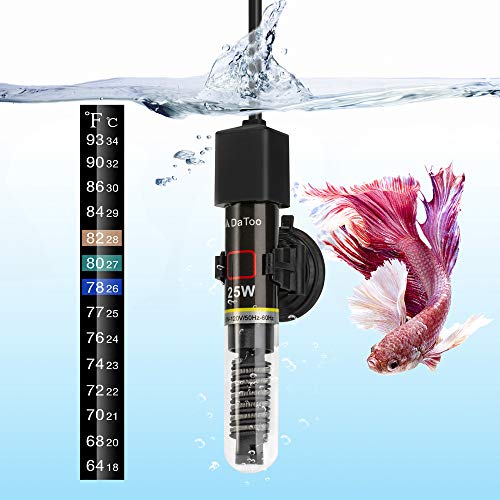

This compact 25W model is aimed at 1- to 6-gallon glass or acrylic aquariums, making it a strong fit for bettas and other small tropical fish. The manufacturer says it maintains a fixed 78°F automatically, which is helpful if you want a simple set-it-and-forget-it option. Its very small size is the main advantage in cramped nano tanks.
$6.69 ✓ Prime
Budget-friendly mini heater for small tanks
- ✓ Automatically maintains 78°F without manual adjustment
- ✓ Very compact for 1- to 5-gallon setups
- ✓ Quartz glass and rubber sealing are designed for durability
- ✗ Not suitable for tanks under 1 gallon
- ✗ Fixed-temperature design offers less control than adjustable models
Best simple starter heater: PULACO 25Watt Mini Aquarium Heater, Submersible Betta Heater ✓ Prime
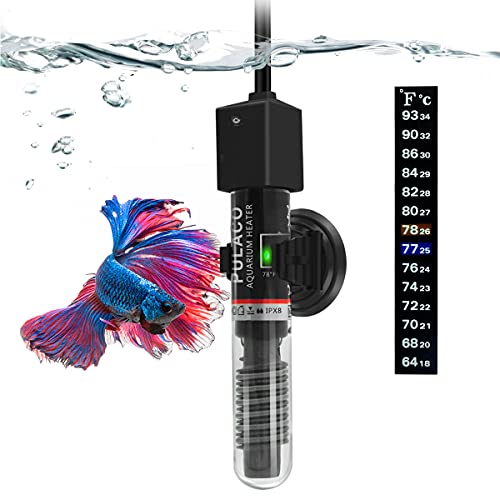

The PULACO 25Watt Mini Aquarium Heater is another budget-friendly pick for small desktop tanks up to 6 gallons. It uses automatic temperature control at 78°F and can be placed vertically or horizontally, which gives beginners a little more flexibility during setup. Verified owner feedback commonly values its simplicity and compact footprint.
$9.99 ✓ Prime
- ✓ Easy plug-in operation with automatic 78°F control
- ✓ Vertical or horizontal placement options
- ✓ 12-month warranty and replacement support
- ✗ Not for tanks under 1 gallon
- ✗ Fixed temperature may not suit species needing a different range
Best overall for medium tanks: Tetra 100W Submersible Aquarium Heater For 10-30 Gallon Fish Tanks ✓ Prime
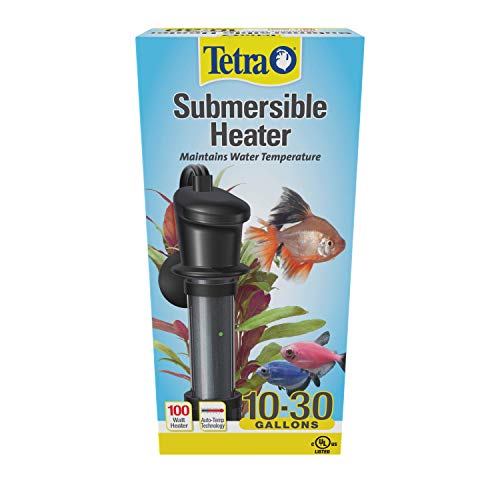

This Tetra 100W heater stands out as the most balanced choice in the list for typical 10- to 30-gallon aquariums. It includes an automatic thermostat that keeps water at 78 degrees, an indicator light system, and a simple suction-cup mount. For many buyers, that combination of brand familiarity, clear sizing, and straightforward operation makes it the safest all-around recommendation.
$12.99 ✓ Prime 28% OFF — Was $17.99
- ✓ Sized for the common 10- to 30-gallon range
- ✓ Automatic thermostat keeps a consistent 78 degrees
- ✓ UL listed with simple suction-cup installation
- ✗ Fixed temperature is less flexible than adjustable digital heaters
- ✗ Best suited to standard tropical setups, not specialized temperature needs
Best for larger, adjustable setups: HiTauing Aquarium Heater, 50W/100W/200W/300W/500W Submersible Fish Tank Heater with Over-Temperature Protection and Automatic Power-Off When Leaving Water for Saltwater and Freshwater ✓ Prime
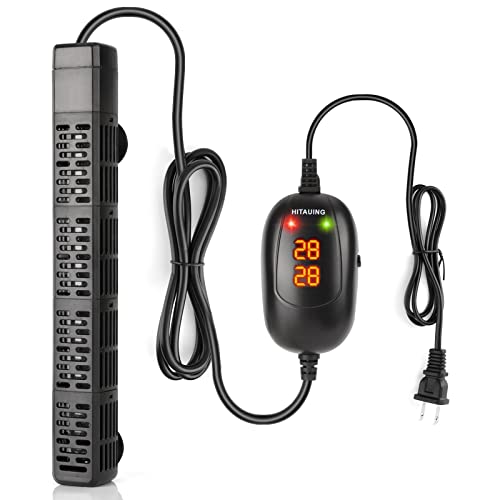

With multiple wattage options and a digital controller, this HiTauing model is better suited to buyers who want more control than a fixed-temperature heater can provide. The product page highlights rapid heating, temperature settings from 63°F to 94°F, and automatic shutoff when the heater is out of water or overheats. That makes it a strong fit for larger aquariums, saltwater systems, or users who want more precision.
$29.69 ✓ Prime 10% OFF — Was $32.99
- ✓ Adjustable temperature range from 63°F to 94°F
- ✓ Automatic shutoff adds important safety protection
- ✓ Available in multiple wattages for bigger tanks
- ✗ Higher price than fixed-temperature mini heaters
- ✗ More features mean a slightly steeper learning curve
Best premium safety-focused pick: HiTauing Aquarium Heater, Upgraded 300W/500W Fish Tank Heater with Intelligent Leaving Water Automatically Stop Heating and Advanced Temperature Control System, Suitable for Saltwater and Freshwater ✓ Prime


This upgraded HiTauing heater is the most feature-rich option in the group, with a digital LED controller, removable housing, and intelligent shutoff when the heater head is out of water. It is designed for 40- to 75-gallon tanks and is especially appealing if safety, display readability, and adjustability are your top priorities. For larger aquariums, the extra control can be worth the added cost.
$29.99 ✓ Prime
- ✓ Digital LED display with real-time and set temperature readouts
- ✓ Automatic stop-heating protection when out of water
- ✓ Removable 4-section shell for easier handling and installation
- ✗ Overkill for small aquariums
- ✗ More expensive than basic fixed-setting heaters
Budget Guide: What You Get at Each Price Point
Under $10: basic heat for small tanks
At this price, you are usually looking at compact 25W heaters for 1- to 6-gallon aquariums. The tradeoff is simplicity: most models hold a fixed temperature rather than offering adjustable control. This range is best for betta tanks and other small setups where you want an affordable, space-saving option.
$10 to $15: better value and better-known sizing
This is where you start seeing more established brands and clearer tank-size guidance. A model like the Tetra 100W heater gives you a strong balance of price, reliability, and ease of use for 10- to 30-gallon aquariums. For many buyers, this is the sweet spot between affordability and confidence.
$25 to $35: adjustable controls and stronger safety features
Once you move into this range, you typically get digital displays, wider temperature ranges, and automatic safety shutoff features. These heaters make more sense for larger tanks, mixed-species setups, or buyers who want more control over water temperature. They also tend to be the better choice if your room temperature changes a lot.
What price does not tell you
A higher price does not automatically mean the heater is right for your tank. A premium 300W heater can be a bad choice for a small desktop aquarium, while a cheap 25W unit may be underpowered for a larger tank. The best purchase is the one matched to your aquarium size, species, and room conditions.
Frequently Asked Questions
How do I choose the right aquarium heater wattage?
Start with your tank size, then consider how cool the room is and whether the tank is open-top or covered. Small tanks usually need 25W, medium tanks often work well with 100W, and larger aquariums may need 300W or more depending on conditions.
Is a fixed-temperature heater better than an adjustable one?
Fixed-temperature heaters are easier for beginners and often work well for standard tropical setups. Adjustable heaters are better if you keep species with different temperature needs or want more control in changing room conditions.
Should an aquarium heater be fully submerged?
In most cases, yes. Many submersible heaters must be fully underwater before they are plugged in, and running them exposed can damage the unit. Always follow the manufacturer’s instructions for safe installation.
Do I need a heater for a betta fish tank?
Usually yes, especially if your room temperature drops below the species’ preferred range. Bettas are tropical fish and do best in stable, warm water, which is why many buyers choose a 25W mini heater for small tanks.
How can I tell if my aquarium heater is working properly?
Look for indicator lights, verify the water temperature with a separate thermometer, and watch for stable readings over time. If the tank temperature keeps swinging or the heater runs constantly, it may be undersized or malfunctioning.
Frequently asked questions
How do I choose the right aquarium heater wattage?
Start with your tank size, then consider how cool the room is and whether the tank is open-top or covered. Small tanks usually need 25W, medium tanks often work well with 100W, and larger aquariums may need 300W or more depending on conditions.
Is a fixed-temperature heater better than an adjustable one?
Fixed-temperature heaters are easier for beginners and often work well for standard tropical setups. Adjustable heaters are better if you keep species with different temperature needs or want more control in changing room conditions.
Should an aquarium heater be fully submerged?
In most cases, yes. Many submersible heaters must be fully underwater before they are plugged in, and running them exposed can damage the unit. Always follow the manufacturer’s instructions for safe installation.
Do I need a heater for a betta fish tank?
Usually yes, especially if your room temperature drops below the species’ preferred range. Bettas are tropical fish and do best in stable, warm water, which is why many buyers choose a 25W mini heater for small tanks.
How can I tell if my aquarium heater is working properly?
Look for indicator lights, verify the water temperature with a separate thermometer, and watch for stable readings over time. If the tank temperature keeps swinging or the heater runs constantly, it may be undersized or malfunctioning.

How Scout Picks
Specs & standards
We start from manufacturer specs and category standards.
Expert tests
We weigh independent expert and lab test results.
Verified owner reviews
We read patterns across thousands of real owners.
Scout is our illustrated guide — we research from specs, independent expert tests, and thousands of verified owner reviews. We don't lab-test products ourselves.
How we pick →Get the Full Pet Gear Buyer's Guide
Join our free newsletter — we'll send our latest Pet Gear picks, specs and verdicts straight to your inbox.
Free. No spam. Unsubscribe anytime.
Was this review helpful?
Be the first to share your feedback on this review.
Sign in to vote and let us know what you think.
Discussion (0)
No comments yet. Be the first to start the discussion.
Related Reviews
What is How to Cycle a New Tank? A Complete 2026 Guide
If you’re learning how to cycle a new tank , the biggest pain point is usually the same: fish die-offs, cloudy water, and confusing advice about when it’s “safe” to add livestock. The good news is that cycling is a straightforward biological process once you understand what’s happening in the filter
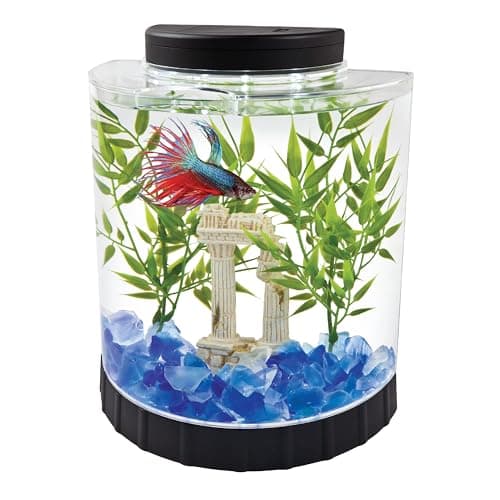
What is a Beginner Aquarium Setup Checklist? A Complete 2026 Guide
A beginner aquarium setup checklist is a simple planning tool that helps new fishkeepers gather the right tank, equipment, and supplies before adding fish. It reduces guesswork, prevents common setup mistakes, and makes it easier to create a healthy environment from day one. If you want to avoid rus