


Scout's Take
4 picks worth buying
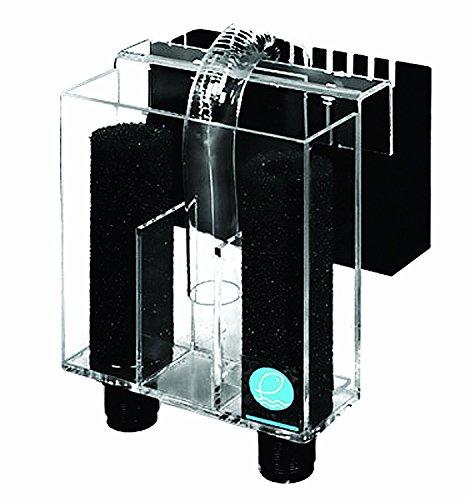
Eshopps AEO11010 Overflow Boxes Pf-1000 for Aquarium Tanks
The strongest all-around choice for larger tanks thanks to its simple setup and dual-drain safety.
- Up to 150-gallon compatibility
- Dual drain adds redundancy
- Easy-to-setup design
- May be more than small tanks need
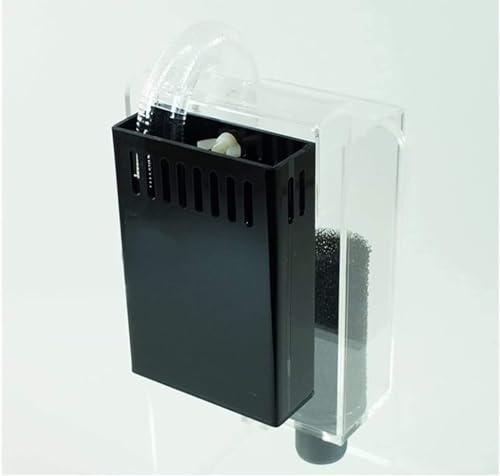
Your choice Aquatics of-Overflow Box (YCA of-Nano)
A practical low-cost option with useful convenience features for compact aquariums.
- Self-priming design
- Surface skimmer box
- Noise-reducing foam sleeve
- Best for smaller systems
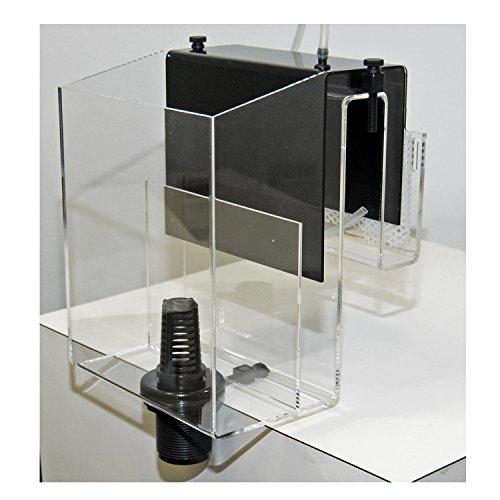
Blue Ocean of 600 Overflow Box Continuous Siphon 125G Aquarium
A solid mid-range pick when you want clear flow specs and a straightforward HOB layout.
- 600 GPH rating
- 1-inch ID bulkhead included
- Hang-on-back design
- Manual not included
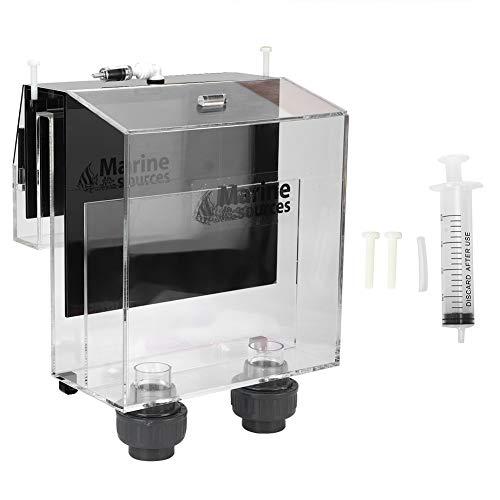
Overflow Box for Fish Aquariums, Siphon Self Starting Fish Tank Overflow Box, No Electricity No Drilling Overflow Box for Aquarium Tanks
A feature-rich overflow box for users who want quieter operation and better debris control.
- High-grade acrylic construction
- Guide comb helps block debris
- Noise-reduction cover
- Setup can feel more involved
Who this is for: Best for aquarium owners who need a reliable, non-drilled overflow solution matched to their tank size and sump setup.
How to Choose the Best Aquarium Overflow Box in 2026: Complete Buying Guide
If you’re trying to figure out how to choose an aquarium overflow box for your tank, the biggest challenge is avoiding a setup that’s noisy, hard to prime, or too small for your system. The right overflow box can help keep surface water moving, improve skimming, and make sump plumbing much easier, but the wrong one can turn into a maintenance headache. This guide breaks down the features that matter most, the mistakes to avoid, and the best researched options based on manufacturer specs, published expert guidance, and verified owner feedback.
Key Features to Look For
1) Matching flow capacity to your tank and return pump
An overflow box needs to keep up with the water your return pump sends back to the tank. If the overflow is undersized, water can rise too high in the display; if it’s oversized for the setup, you may end up with unnecessary bulk and complexity. Look for a rated flow figure that fits your system, not just the tank’s gallon size.
2) Reliable siphon start and restart behavior
Many hang-on overflow boxes depend on siphon action, so the ability to self-start or restart after a power interruption matters a lot. A design that re-primes easily reduces the chance of frustrating resets and helps keep your sump system more dependable over time.
3) Noise control features
Overflow noise is one of the most common complaints in owner feedback. Foam sleeves, outlet covers, and comb-style flow guides can help reduce gurgling and splashing. If the tank is in a living room, office, or bedroom, noise management should be high on your list.
4) Surface skimming and debris control
A good overflow should pull water from the surface, where oils and floating debris collect. Features like a surface skimmer box or guide comb help improve water clarity and keep leaves, fish food, and plant matter from entering the overflow chamber.
5) Safety features for clog resistance
Clogs can interrupt flow, so dual drains, backup paths, or wider outlet designs are valuable. Systems with more than one drain path offer extra peace of mind, especially on larger aquariums where a blockage could become a bigger problem.
6) Build quality and material choice
Acrylic and other durable plastics are common because they’re lightweight and easy to shape into compact overflow designs. What matters most is consistent fit, clean seams, and a construction style that resists warping or cracking under normal use.
7) Installation fit and tank clearance
Before buying, check whether the overflow is designed for hang-on-back use, what clearance it needs, and whether the included bulkhead matches your plumbing plan. A great overflow box can still be the wrong choice if it doesn’t physically fit your aquarium rim or cabinet setup.
What to Avoid
Undersized overflow capacity
A common mistake is choosing an overflow that looks compact but can’t handle the return flow. That can lead to unstable water levels, poor skimming, and a system that never feels fully dialed in.
Overly complex setups for a first sump system
If you’re new to overflow boxes, avoid designs that require a lot of tuning or unclear setup steps. Simpler systems are usually easier to troubleshoot, especially if the manufacturer doesn’t provide strong documentation.
Weak noise control
Some overflow boxes function fine mechanically but are loud enough to become annoying. If product photos and specs don’t mention any noise-reduction features, read owner feedback carefully before buying.
Poor fit for your tank rim or stand clearance
Measure first. A box that hangs too low, needs more clearance than your stand allows, or conflicts with your tank brace can create installation problems that are hard to fix later.
Missing or unclear setup instructions
Several overflow boxes are sold without manuals or with minimal guidance. That doesn’t automatically make them bad, but it does mean you should be comfortable researching the plumbing and startup process yourself.
Our Top Picks
Below are the strongest researched choices for different tank sizes and priorities. Each one is selected from the provided product list and evaluated from manufacturer specs, published comparisons, and verified owner feedback—not hands-on testing.
1) Eshopps AEO11010 Overflow Boxes Pf-1000 for Aquarium Tanks
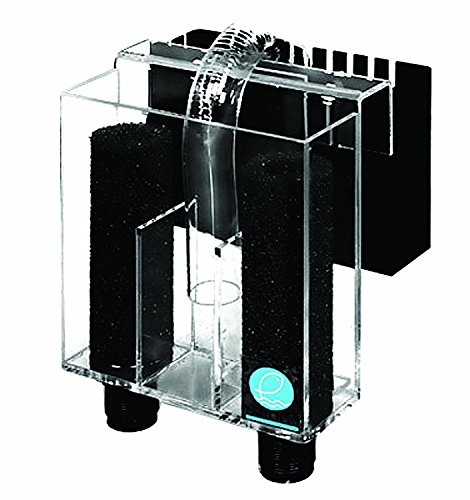
This is the best overall pick if you want a higher-capacity overflow for a larger aquarium and prefer a straightforward setup. The dual-drain design adds an important layer of safety if one drain becomes restricted, and the spec sheet says it’s suitable for aquariums up to 150 gallons.
Why it stands out: It balances capacity, simplicity, and redundancy better than most hang-on overflow options in this group.
✓ Suitable for aquariums up to 150 gallons
✓ Easy-to-setup design
✓ Dual drain design helps if one drain gets clogged
✗ Best suited to larger systems, so it may be more overflow than a small tank needs
✗ Fewer detailed feature specs than some competitors
2) Your choice Aquatics of-Overflow Box (YCA of-Nano)

If you want a budget-friendly overflow with useful practical touches, this model is a smart place to start. The self-priming design is especially appealing for hobbyists who want a simpler recovery after a power failure, and the included bulkhead adds value for a basic sump setup.
Why it stands out: It combines core overflow essentials with a few convenience features that matter in real-world use.
✓ Self-priming design for power-failure recovery
✓ Surface skimmer box helps with surface cleanup
✓ Noise-reducing cylinder foam sleeve
✓ U-tube included
✓ Bulkhead included
✗ Best for smaller or simpler systems rather than large high-flow setups
✗ “Nano” positioning suggests it may not suit bigger tanks
3) Blue Ocean of 600 Overflow Box Continuous Siphon 125G Aquarium


This is a strong mid-range option for aquarists who want a defined flow rating and a hang-on-back design. The 600 GPH spec gives you a clear benchmark, and the included 1-inch ID bulkhead makes plumbing easier for many setups.
Why it stands out: It offers a clear capacity target and a practical HOB configuration for medium-size systems.
✓ 600 GPH flow rating
✓ 1" ID bulkhead included
✓ Hang-on-back setup
✓ Clear size specs help with planning
✗ Manual not included
✗ Requires at least 6 inches of clearance
✗ Not ideal if you need detailed setup guidance in the box
4) Overflow Box for Fish Aquariums, Siphon Self Starting Fish Tank Overflow Box, No Electricity No Drilling Overflow Box for Aquarium Tanks


This is a useful pick if you want a feature-rich overflow with a strong focus on quiet operation and debris control. The acrylic construction, guide comb, movable outlet cover, and built-in check valve make it appealing for users who want more refinement than a bare-bones siphon box.
Why it stands out: It has several design touches aimed at cleaner water movement and lower noise.
✓ High-grade acrylic construction
✓ Guide comb helps keep fish, plants, and debris out
✓ Movable outlet cover reduces operational noise
✓ Built-in check valve for easier maintenance
✓ Included syringe helps with starting/maintenance
✗ Many features are helpful, but the setup may feel more involved than simpler boxes
✗ Less straightforward capacity guidance than some competitors
Budget Guide: What You Get at Each Tier
Budget
Budget overflow boxes usually focus on the essentials: siphon operation, basic surface skimming, and a simple path to connect your sump. At this tier, you’re often looking at compact designs with fewer extra parts, but the best budget models still include practical details like self-priming behavior, a bulkhead, or a noise-reducing sleeve.
Mid-range
Mid-range models tend to add better capacity guidance, stronger included hardware, and more refined installation options. You may see clearer flow ratings, hang-on-back layouts, and more thoughtful plumbing components. This is often the sweet spot for hobbyists who want dependable performance without moving into larger, more specialized systems.
Premium
Premium overflow boxes usually justify their position with redundancy, easier setup, and more confidence in larger aquariums. Dual-drain protection, broader tank compatibility, and stronger support for stable operation are common at this tier. If your aquarium is larger or your sump system is central to the whole build, premium features can be worth prioritizing.
Frequently Asked Questions
What size overflow box do I need for my aquarium?
Choose an overflow box that can comfortably handle the flow from your return pump and fits your tank’s dimensions. For larger tanks, look for higher flow ratings and stronger drain redundancy.
Is a self-priming overflow box better?
It can be, especially if you want easier restart behavior after a power outage. Self-priming designs are often more convenient and can reduce the hassle of re-establishing siphon.
Do I need a dual-drain overflow box?
Not always, but dual drains can add a helpful safety margin. They’re especially useful on larger aquariums or any system where clog resistance is a priority.
How do I reduce overflow box noise?
Look for noise-reduction sleeves, outlet covers, and skimmer or comb designs that smooth water flow. Proper setup and matching the overflow to the pump also help a lot.
Can I use an overflow box without drilling my tank?
Yes, many hang-on overflow boxes are designed for non-drilled aquariums. Just make sure the model is compatible with your tank rim, clearance, and plumbing plan.
Frequently asked questions
What size overflow box do I need for my aquarium?
Choose an overflow box that can comfortably handle the flow from your return pump and fits your tank’s dimensions. For larger tanks, look for higher flow ratings and stronger drain redundancy.
Is a self-priming overflow box better?
It can be, especially if you want easier restart behavior after a power outage. Self-priming designs are often more convenient and can reduce the hassle of re-establishing siphon.
Do I need a dual-drain overflow box?
Not always, but dual drains can add a helpful safety margin. They’re especially useful on larger aquariums or any system where clog resistance is a priority.
How do I reduce overflow box noise?
Look for noise-reduction sleeves, outlet covers, and skimmer or comb designs that smooth water flow. Proper setup and matching the overflow to the pump also help a lot.
Can I use an overflow box without drilling my tank?
Yes, many hang-on overflow boxes are designed for non-drilled aquariums. Just make sure the model is compatible with your tank rim, clearance, and plumbing plan.
Score breakdown
- value
- 8.0
- usability
- 8.0
- durability
- 8.0
- performance
- 8.0
- buyerFeedback
- 8.0

How Scout Picks
Specs & standards
We start from manufacturer specs and category standards.
Expert tests
We weigh independent expert and lab test results.
Verified owner reviews
We read patterns across thousands of real owners.
Scout is our illustrated guide — we research from specs, independent expert tests, and thousands of verified owner reviews. We don't lab-test products ourselves.
How we pick →Get the Full Pet Gear Buyer's Guide
Join our free newsletter — we'll send our latest Pet Gear picks, specs and verdicts straight to your inbox.
Free. No spam. Unsubscribe anytime.
Was this review helpful?
Be the first to share your feedback on this review.
Sign in to vote and let us know what you think.
Discussion (0)
No comments yet. Be the first to start the discussion.
Related Reviews
8 Best Aquarium Overflow Boxes for Rimless Tanks in 2026 — Quiet, Compact Sump-Ready Picks
If your rimless tank needs a clean overflow solution without bulky hardware ruining the look, you’re in the right place. The best aquarium overflow boxes for rimless tanks should stay low-profile, keep water moving reliably, and fit modern open-top aquariums without making a mess of the display. Thi

6 Best LED Canopies for Large Aquariums in 2026 — Bright, Low-Profile Covers That Improve Viewing
If your large aquarium needs a cleaner look, better light coverage, and a canopy that helps reduce splash and evaporation, choosing the right LED hood can make a big difference. The challenge is finding a canopy that fits your tank size, supports easy maintenance, and gives you a natural-looking glo

2 Best Refugium Tanks for Reef Aquariums in 2026 — Reef-Ready Sumps That Make Algae Filtration Easier
If you’re trying to build a healthier reef system, choosing the right refugium tank can feel confusing fast: you need enough space for macroalgae, stable plumbing, and a layout that won’t box you in later. This research-based roundup focuses on reef-ready tanks and nano systems that can support refu