

Scout's Take
4 picks worth buying
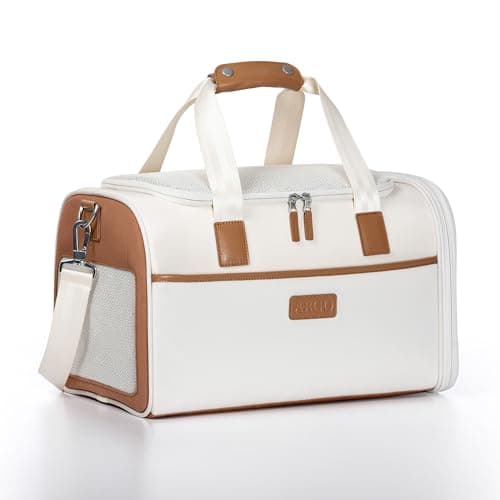
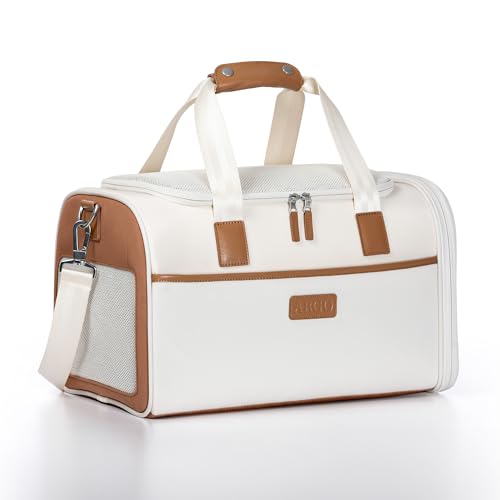
Traveler's Choice Argo Pawsport to Adventure Pet Carrier, Tan
The best all-around choice for frequent travelers who want premium convenience and safety.
- Airline-oriented design
- Seatbelt lock and trolley strap
- Water-resistant, easy-clean materials
- Premium price
- May be more carrier than casual users need
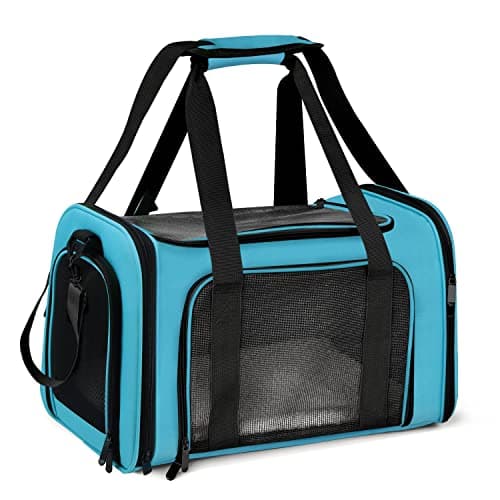
Henkelion Large Cat Carriers Dog Carrier Pet Carrier for Large Cats Dogs Puppies up to 25Lbs, Big Dog Carrier Soft Sided, Collapsible Travel Puppy Carrier - Large - Blue
A strong value pick for vet visits and car travel when you don’t need flight compatibility.
- Low price
- Foldable and lightweight
- Good airflow from mesh sides
- Not airline approved
- Basic feature set
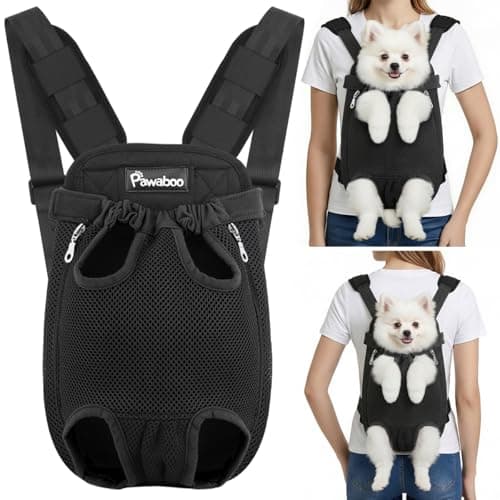
Pawaboo Pet Front Carrier Backpack for Small Medium Dogs
Ideal for active owners who want to keep a small pet close on walks and outings.
- Front or back carry options
- Hands-free design
- Lightweight for active use
- Only for small pets
- Sizing requires careful measuring
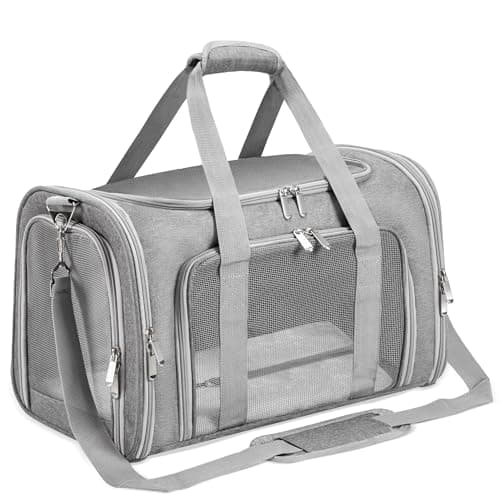
LEHNI Soft-Sided Cat/Dog/Pet Carrier, Collapsible Pets Travel Carriers
A smart pick if you want a soft carrier that feels more structured and stable.
- Reinforced shape-retaining structure
- Washable removable mat
- Four mesh sides for airflow
- Bulkier than minimalist carriers
- Best for pets that fit the stated size
Who this is for: Best for pet parents who need a safe, comfortable carrier matched to travel style, pet size, and budget.
How to Choose the Best Pet Carrier in 2026: Complete Buying Guide
If you’re trying to figure out how to choose a pet carrier, the biggest challenge is usually balancing comfort, safety, and the right size for your pet. Pick the wrong carrier and you may end up with a stressed-out animal, a bag that’s awkward to carry, or one that doesn’t work for travel at all. This guide breaks down the features that matter most, the mistakes to avoid, and the best researched options for different needs and budgets.
Key Features to Look For
1) The right size and fit
Size is the first thing to get right, because a carrier that’s too small can make your pet anxious, while one that’s too large can feel unstable. Manufacturer guidance consistently emphasizes measuring your pet’s length, height, chest girth, and weight rather than choosing by weight alone. Your pet should be able to stand, turn around, and lie down comfortably.
2) Travel type: airline, car, hiking, or everyday use
Not every carrier is built for the same job. Some are designed to meet select airline carry-on requirements, while others are better for car rides, vet visits, or hands-free outings. Before buying, match the carrier to your main use case so you don’t overpay for features you won’t use—or worse, buy one that isn’t allowed where you need it.
3) Ventilation and visibility
Mesh panels matter because they help with airflow and let you check on your pet quickly. Good ventilation can reduce overheating and help anxious pets feel less trapped. Some carriers also use privacy-oriented mesh that still allows airflow, which can be useful for pets that get overstimulated by too much outside activity.
4) Structure and stability
Soft-sided carriers should still hold their shape. Look for reinforced frames, support boards, or structured panels so the carrier doesn’t sag when lifted or placed in a car seat. A stable carrier is easier for pets to settle into and tends to be more comfortable during longer trips.
5) Safety features
Safety features can include seatbelt compatibility, secure zippers, locking mechanisms, and leash attachments. These details matter because a carrier should not only hold your pet in place, but also reduce the chance of accidental escapes during loading, unloading, or transport. For car travel, seatbelt-ready designs are especially valuable.
6) Ease of cleaning
Accidents happen, so removable mats, wipeable surfaces, and washable liners are worth prioritizing. A carrier that’s easy to clean is more practical for everyday use and helps keep odors, hair, and stains from building up over time.
7) Carry comfort for the human
If the carrier is uncomfortable for you, you’ll use it less. Padded shoulder straps, trolley sleeves, backpack straps, and lightweight construction all matter when you’re carrying a pet through airports, parking lots, or city streets. The best carrier is one both you and your pet can tolerate for the full trip.
What to Avoid
Buying by weight alone
This is one of the most common mistakes. A carrier’s stated weight limit does not tell you whether your pet will actually fit. A long-bodied cat or a deep-chested small dog may need more room than the label suggests.
Ignoring airline rules
If you plan to fly, don’t assume any soft-sided bag will work. Airlines can have different under-seat dimensions and approval rules, so always check the specific carrier size and airline policy before you buy.
Weak zippers or flimsy closures
Escape-prone pets can find weak points fast. Avoid carriers that look cute but use thin zippers, loose seams, or closures that don’t feel secure. Verified reviews often reveal whether a carrier holds up in real-world use.
Poor airflow
Carriers with too little mesh or ventilation can trap heat and make pets uncomfortable. This is especially important in warm weather, during long car rides, or if your pet is anxious and panting.
Overly bulky designs for your actual routine
A large, heavily structured carrier may be great for stability, but frustrating if you need something foldable for storage or quick vet trips. Choose the style that fits your routine instead of the most feature-packed option.
Our Top Picks
Best Overall: Traveler's Choice Argo Pawsport to Adventure Pet Carrier, Tan 4.7★ (verified owner feedback and retailer reviews)

✓ Prime $149.99
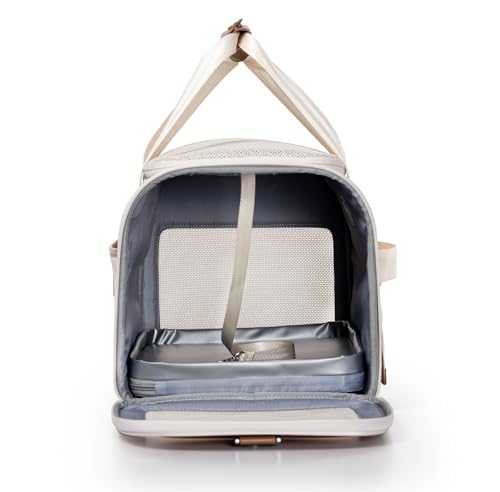
This is the strongest all-around pick if you want a more premium carrier for travel, especially when airline compatibility and car-travel stability matter. Manufacturer specs call out select domestic airline carry-on compliance, a trolley strap for suitcase handles, a Fidlock magnetic seatbelt lock, and water-resistant T900D polyester with a Teflon EcoElite finish.
- ✓ Designed to meet select domestic airline pet carrier carry-on requirements
- ✓ Trolley strap helps attach to suitcase handles for easier airport travel
- ✓ Fidlock magnetic lock adds secure seatbelt stability in the car
- ✓ Double mesh panels balance airflow, visibility, and privacy
- ✓ Removable bottom tray simplifies cleanup after accidents
- ✗ Higher price than most soft-sided carriers
- ✗ Best value only if you truly need travel-focused premium features
Best Budget: Henkelion Large Cat Carriers Dog Carrier Pet Carrier for Large Cats Dogs Puppies up to 25Lbs, Big Dog Carrier Soft Sided, Collapsible Travel Puppy Carrier - Large - Blue 4.4★ (verified owner feedback and retailer reviews)



✓ Prime $39.99
This is a practical low-cost choice for vet visits, car rides, and everyday transport. The brand is explicit that it is not airline approved, which is actually useful if you want a budget carrier for ground travel only. It also features mesh sides, a padded shoulder strap, and a foldable design.
- ✓ Very affordable compared with premium travel carriers
- ✓ Collapsible design is easy to store when not in use
- ✓ Mesh sides improve airflow and visibility
- ✓ Shoulder strap and handles make it easy to carry
- ✗ Not airline approved
- ✗ Size selection depends on measuring your pet carefully, not just weight
Best for Hiking and Hands-Free Carrying: Pawaboo Pet Front Carrier Backpack for Small Medium Dogs 4.3★ (verified owner feedback and retailer reviews)


✓ Prime $26.99
If you want a carrier for walks, hikes, biking, or other active outings, this front-pack style is a smart fit for small dogs or cats. The design keeps your pet close for reassurance, and the front/back wearing options make it more versatile than a standard tote.
- ✓ Hands-free front or back carry options
- ✓ Legs-out and tail-out design helps with comfort and positioning
- ✓ Quick-release buckles simplify putting it on
- ✓ Lightweight design is good for active use
- ✗ Only suitable for small pets
- ✗ Requires careful measuring of back length and chest girth
Best for Stability: LEHNI Soft-Sided Cat/Dog/Pet Carrier, Collapsible Pets Travel Carriers 4.5★ (verified owner feedback and retailer reviews)


✓ Prime $32.99
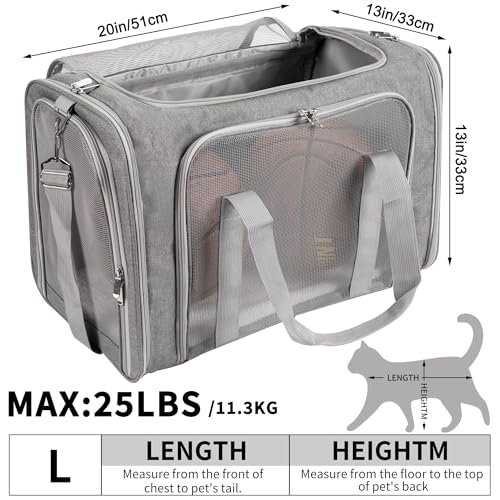
This is a strong middle-ground option if you want a soft carrier with more structure than the average collapsible bag. The steel cage structure and wooden support board help it hold shape, while the four-sided mesh and removable washable mat make it practical for regular use.
- ✓ Reinforced structure helps maintain shape
- ✓ Four-sided mesh supports airflow and visibility
- ✓ Four entrances can make loading easier
- ✓ Removable mat is washable for easier cleanup
- ✗ Bulkier than minimal soft-sided options
- ✗ Best for pets that fit comfortably within the stated dimensions
Best for Car Travel Comfort: Traveler's Choice Argo Pawsport to Adventure Pet Carrier, Tan
Because of its seatbelt-friendly lock, structured travel design, and privacy-focused mesh, this carrier is especially appealing for pet parents who spend a lot of time in cars and want a more polished travel setup. It stands out for combining convenience and safety features in one premium package.
Budget Guide: What You Get at Each Price Point
Under $35
At this range, you’re usually looking at lightweight soft carriers or backpack-style options. Expect basic mesh ventilation, simple straps, foldable storage, and fewer premium safety features. This is a solid zone for vet visits, short car rides, or occasional use.
$35 to $75
This is the sweet spot for many buyers. You’ll often get better structure, improved comfort, more secure closures, and more practical features like washable mats or reinforced sides. For most everyday pet owners, this range offers the best balance of value and quality.
$75 to $150+
Premium carriers in this bracket tend to focus on travel convenience, sturdier construction, airline-oriented sizing, and better materials. You may also get details like trolley sleeves, seatbelt locks, water-resistant fabrics, and more refined finishing. These are best if you travel often or need a carrier that pulls double duty for flights and cars.
Frequently Asked Questions
How do I know what size pet carrier to buy?
Measure your pet’s length, height, and chest girth, then compare those numbers to the carrier’s interior dimensions. Don’t choose by weight alone, because body shape matters just as much as pounds.
Are soft-sided pet carriers better than hard-sided ones?
Soft-sided carriers are usually lighter, easier to store, and more comfortable for travel. Hard-sided carriers can be better for durability and easy cleaning, but they are often bulkier and less convenient for everyday carrying.
Can I use the same carrier for flying and car travel?
Sometimes, yes—but only if the carrier meets airline size rules and also has secure features for car use. If you fly often, look for a carrier specifically designed to meet select airline carry-on requirements.
What features make a pet carrier safer?
Look for secure zippers, reinforced structure, good ventilation, and car-friendly safety features like seatbelt compatibility. A carrier should keep your pet contained without feeling unstable or overly cramped.
How often should I replace a pet carrier?
Replace it when you notice worn seams, broken zippers, damaged mesh, or structural sagging. If the carrier no longer feels secure or comfortable, it’s time for a new one.
Frequently asked questions
How do I know what size pet carrier to buy?
Measure your pet’s length, height, and chest girth, then compare those numbers to the carrier’s interior dimensions. Don’t choose by weight alone, because body shape matters just as much as pounds.
Are soft-sided pet carriers better than hard-sided ones?
Soft-sided carriers are usually lighter, easier to store, and more comfortable for travel. Hard-sided carriers can be better for durability and easy cleaning, but they are often bulkier and less convenient for everyday carrying.
Can I use the same carrier for flying and car travel?
Sometimes, yes—but only if the carrier meets airline size rules and also has secure features for car use. If you fly often, look for a carrier specifically designed to meet select airline carry-on requirements.
What features make a pet carrier safer?
Look for secure zippers, reinforced structure, good ventilation, and car-friendly safety features like seatbelt compatibility. A carrier should keep your pet contained without feeling unstable or overly cramped.
How often should I replace a pet carrier?
Replace it when you notice worn seams, broken zippers, damaged mesh, or structural sagging. If the carrier no longer feels secure or comfortable, it’s time for a new one.

How Scout Picks
Specs & standards
We start from manufacturer specs and category standards.
Expert tests
We weigh independent expert and lab test results.
Verified owner reviews
We read patterns across thousands of real owners.
Scout is our illustrated guide — we research from specs, independent expert tests, and thousands of verified owner reviews. We don't lab-test products ourselves.
How we pick →Get the Full Pet Gear Buyer's Guide
Join our free newsletter — we'll send our latest Pet Gear picks, specs and verdicts straight to your inbox.
Free. No spam. Unsubscribe anytime.
Was this review helpful?
Be the first to share your feedback on this review.
Sign in to vote and let us know what you think.
Discussion (0)
No comments yet. Be the first to start the discussion.
Related Reviews
Are Crash Tested Car Seats Worth It Review (2026): Specs, Pros & Cons, and Who It's For
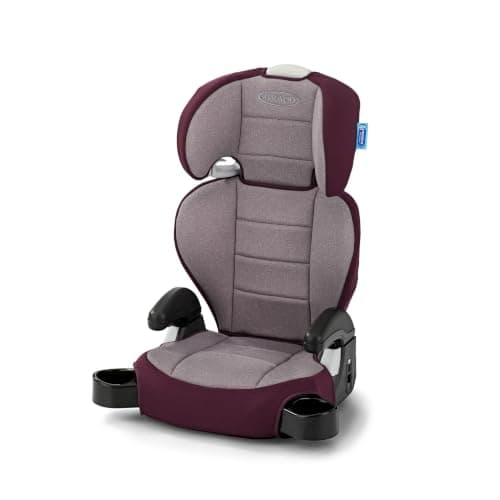
If you’re wondering are crash tested car seats worth it , the short answer is usually yes—especially if you want a booster that’s been engineered and marketed with more explicit safety validation than a bare-bones basic seat. The tradeoff is that “crash tested” is not a magic label; it still matters

What is Crate Size Guide by Breed? A Complete 2026 Guide
A crate size guide by breed helps you match a dog’s body size and sleeping style to the right crate dimensions, so your dog can stand, turn around, and lie down comfortably. If you’ve ever worried that a crate is too small, too roomy, or just plain wrong for your breed, this guide clears up the gues

are orthopedic beds worth it Review (2026): Specs, Pros & Cons, and Who It's For
Check Price on Amazon →