

Scout's Take
2 picks worth buying
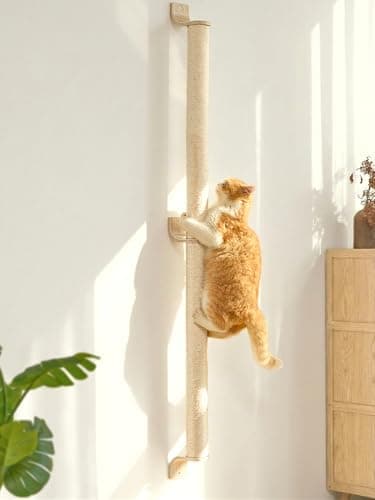
FUKUMARU Cat Wall Scratcher, 60" Tall Kitten Scratching Post
The best overall choice for buyers who want maximum scratching height in a space-saving design.
- 60-inch height supports full-body scratching
- Wall-mounted format saves floor space
- Requires wall installation
- Less portable than freestanding options
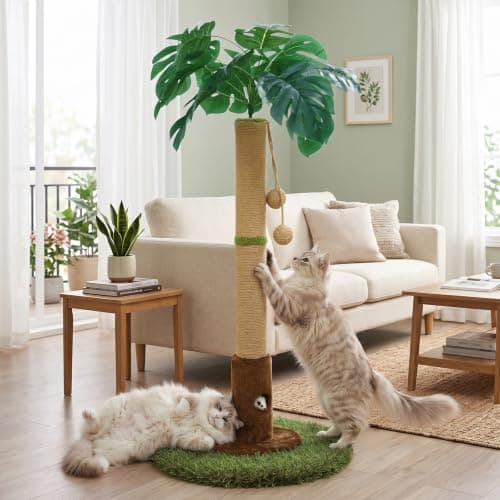
Woochpet Cat Scratching Post for Indoor Cats and Kitten - 35.43" Tall Cat Scratching Post with Sisal Rope,Palm Tree Cat Scratch Post with Hanging Ball
A budget-friendly pick that balances scratch appeal, play value, and attractive styling.
- Affordable Prime-friendly option
- Decorative design blends into the home
- Shorter than tall climbing posts
- Less ideal for very large cats
Who this is for: Best for cat owners who need a practical, research-based guide to choosing a scratching and climbing setup that fits their home.
What is a Cat Tree Buying Guide? A Complete 2026 Guide
A cat tree buying guide helps you choose the right scratching, climbing, and lounging setup for your cat without wasting money on the wrong size or style. If your cat ignores furniture, scratches the sofa, or needs more vertical space, the right cat tree can solve all three problems at once. This guide explains how cat trees work, what features matter most, and which researched options stand out in 2026.
How It Works
A cat tree is a vertical play structure designed to meet a cat’s natural instincts to scratch, climb, perch, and observe. Most models combine one or more scratching surfaces, elevated platforms, and a stable base so cats can stretch their claws and claim territory in a safer, more appropriate way than using your couch or carpet.
From a behavior standpoint, the appeal is simple: cats like texture, height, and routine. Sisal-wrapped posts give them a satisfying scratching surface, while perches and towers let them survey the room from above, which can reduce boredom and help energetic cats burn off steam.
In practical terms, the “technology” is mostly about design choices: stability, materials, height, and layout. A well-built cat tree channels scratching into the right zone, supports climbing without wobbling, and fits your home so it actually gets used instead of becoming a bulky decoration.
Key Benefits & Use Cases
Cat trees are popular because they solve several common household problems at once. They can protect furniture, give indoor cats a healthy outlet for exercise, and provide shy or anxious cats with a safe elevated perch.
They’re especially useful in homes where cats don’t have outdoor access. A good tree can become a daily enrichment station for scratching, stretching, playing with hanging toys, and napping above the floor where many cats feel more secure.
Use cases vary by cat and home layout:
- Furniture protection: Redirects scratching away from sofas, chairs, and door frames.
- Indoor enrichment: Helps energetic cats climb, jump, and explore.
- Multi-cat homes: Gives each cat a place to perch without crowding.
- Small spaces: Wall-mounted or vertical designs can save floor space.
- Kitten training: Encourages healthy scratching habits early.
What to Look For When Buying
When comparing options in a cat tree buying guide, focus on five criteria that affect real-world use more than marketing photos do.
1. Stability
A cat tree should feel solid when a cat jumps on it, scratches it, or launches off a platform. Heavier bases, wall mounting, and load-tested construction matter most for larger cats or active climbers.
2. Height and Layout
Taller trees are better for cats that like to climb and watch the room from above, while lower designs can suit kittens, seniors, or apartments with low ceilings. Platforms should be spaced so your cat can move comfortably without awkward leaps.
3. Scratching Surface
Sisal rope or sisal fiber is the standard because many cats prefer its texture and it holds up well under repeated scratching. Look for enough scratching area to match your cat’s habits, not just a token post.
4. Space and Placement
Measure the footprint before buying. If you’re tight on floor space, a wall-mounted or vertical design can be a better fit than a wide tower.
5. Materials and Maintenance
Check whether covers, platforms, and posts are easy to clean and whether the finish matches your home. Durable materials and simple assembly tend to matter more than extra bells and whistles.
Top Recommended Products
Below are researched picks based on manufacturer specs, published review patterns, and verified owner feedback. Since this is a research-based guide, the recommendations focus on design, stability, and fit for different homes rather than hands-on testing.
Woochpet Cat Scratching Post for Indoor Cats and Kitten - 35.43" Tall Cat Scratching Post with Sisal Rope,Palm Tree Cat Scratch Post with Hanging Ball ✓ Prime $26.99


This tropical-style scratch post is a good fit for cat owners who want a compact, decor-friendly option that still gives cats a real scratching outlet. The 35.43-inch height is enough for a decent stretch, and the hand-twisted sisal rope plus heavier base are the main features that support day-to-day use.
- ✓ 3D Monstera leaf design makes it look more like decor than pet gear.
- ✓ Hanging balls add play value for cats that need encouragement to scratch.
- ✓ Heavier bottom and thicker post are designed for better stability.
- ✓ Hand-twisted premium sisal rope is built for repeated scratching.
- ✗ Not as tall as full-size tower options for climbers.
FUKUMARU Cat Wall Scratcher, 60" Tall Kitten Scratching Post ✓ Prime $39.79
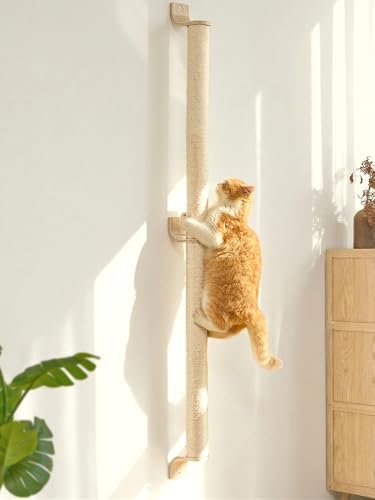


This is the strongest pick for buyers who want a tall scratching solution without giving up floor space. Its wall-mounted, vertical design makes sense for tight homes, and the 20kg static load test is a useful confidence signal for stability.
- ✓ 60-inch height supports full-body scratching and climbing.
- ✓ Wall-mounted format saves floor space in small rooms.
- ✓ Natural sisal fiber matches the texture many cats prefer.
- ✓ 20kg static load test suggests better stability than flimsy alternatives.
- ✗ Requires wall installation, so it is less flexible than a freestanding post.
Common Mistakes to Avoid
- Buying by looks alone: A cute design is nice, but cats care more about height, texture, and stability.
- Choosing the wrong size: A post that is too short may not satisfy a full stretch, while an oversized tree can overwhelm a small room.
- Ignoring stability: Wobbly cat trees often get avoided, especially by cautious cats or larger breeds.
- Skipping placement planning: Put the tree where your cat already likes to hang out, not in a dead corner no one uses.
- Not matching the cat’s habits: Climbers, scratchers, and loungers may need different layouts, not one generic design.
Frequently Asked Questions
What is the best cat tree height for most cats?
For many homes, a mid-height to tall cat tree works best because it gives cats room to scratch and climb without taking over the room. If space is tight, a tall wall-mounted scratching post can be a smart alternative.
Are cat trees worth it for indoor cats?
Yes, especially if your cat scratches furniture, gets bored easily, or likes high perches. A cat tree can provide exercise, enrichment, and a more appropriate scratching outlet.
What material do cats prefer for scratching posts?
Sisal is the most common choice because many cats like the texture and it holds up well under repeated use. Natural sisal fiber and sisal rope are both widely used in cat trees and scratch posts.
How do I keep a cat tree from wobbling?
Choose a model with a heavy base, strong materials, or wall mounting if needed. Placement on a level surface also helps, and larger or more active cats usually benefit from a sturdier design.
Should I get a cat tree or a scratching post?
If your cat needs both climbing and scratching, a cat tree is usually the better all-in-one choice. If you mainly need a space-saving scratching solution, a tall scratching post or wall scratcher may be enough.
Frequently asked questions
What is the best cat tree height for most cats?
For many homes, a mid-height to tall cat tree works best because it gives cats room to scratch and climb without taking over the room. If space is tight, a tall wall-mounted scratching post can be a smart alternative.
Are cat trees worth it for indoor cats?
Yes, especially if your cat scratches furniture, gets bored easily, or likes high perches. A cat tree can provide exercise, enrichment, and a more appropriate scratching outlet.
What material do cats prefer for scratching posts?
Sisal is the most common choice because many cats like the texture and it holds up well under repeated use. Natural sisal fiber and sisal rope are both widely used in cat trees and scratch posts.
How do I keep a cat tree from wobbling?
Choose a model with a heavy base, strong materials, or wall mounting if needed. Placement on a level surface also helps, and larger or more active cats usually benefit from a sturdier design.
Should I get a cat tree or a scratching post?
If your cat needs both climbing and scratching, a cat tree is usually the better all-in-one choice. If you mainly need a space-saving scratching solution, a tall scratching post or wall scratcher may be enough.

How Scout Picks
Specs & standards
We start from manufacturer specs and category standards.
Expert tests
We weigh independent expert and lab test results.
Verified owner reviews
We read patterns across thousands of real owners.
Scout is our illustrated guide — we research from specs, independent expert tests, and thousands of verified owner reviews. We don't lab-test products ourselves.
How we pick →Get the Full Pet Gear Buyer's Guide
Join our free newsletter — we'll send our latest Pet Gear picks, specs and verdicts straight to your inbox.
Free. No spam. Unsubscribe anytime.
Was this review helpful?
Be the first to share your feedback on this review.
Sign in to vote and let us know what you think.
Discussion (0)
No comments yet. Be the first to start the discussion.
Related Reviews
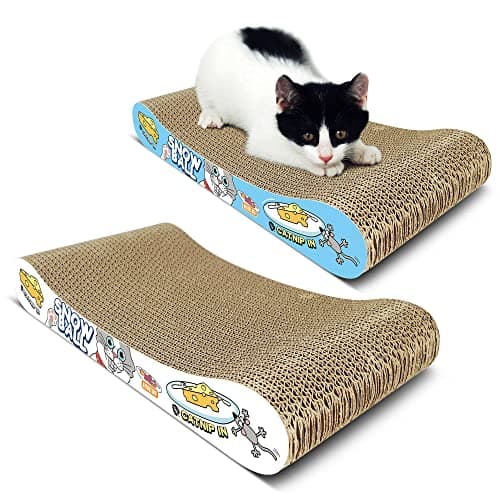
What is a New Kitten Gear Checklist? A Complete 2026 Guide
A new kitten gear checklist is the simplest way to make those first days at home less chaotic, less stressful, and a lot safer for both you and your kitten. Instead of guessing what you need after adoption day, a checklist helps you gather the essentials for feeding, litter, scratching, travel, and
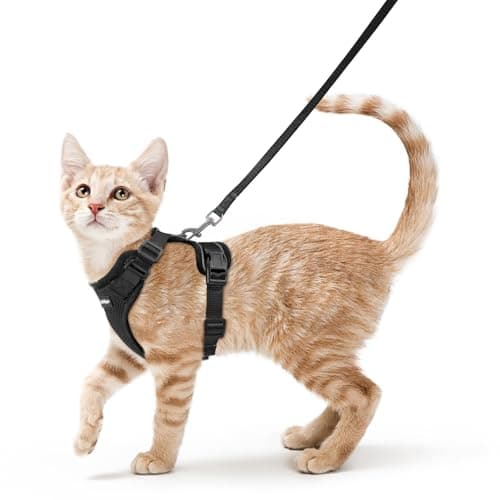
How to Choose the Best Cat Harness in 2026: Complete Buying Guide
If you’re trying to figure out how to choose a cat harness , the biggest challenge is usually not finding one that looks cute — it’s finding one that your cat can actually wear safely and comfortably. A poor fit can lead to slipping out, chafing, or a full-on backyard escape attempt, which is why ha
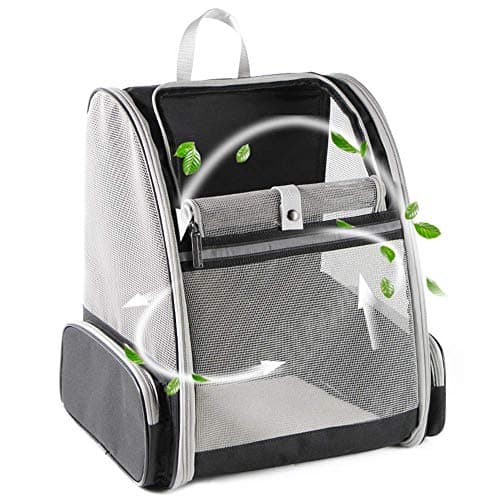
Are Cat Backpacks Worth It Review (2026): Specs, Pros & Cons, and Who It's For
If you’re wondering are cat backpacks worth it , the short answer is: sometimes, yes — but only for the right cat and the right trip. A good backpack can make vet visits, quick errands, and apartment living easier, while a poor fit can turn travel into a stressful, sweaty mess for both of you. This