

Scout's Take
4 picks worth buying
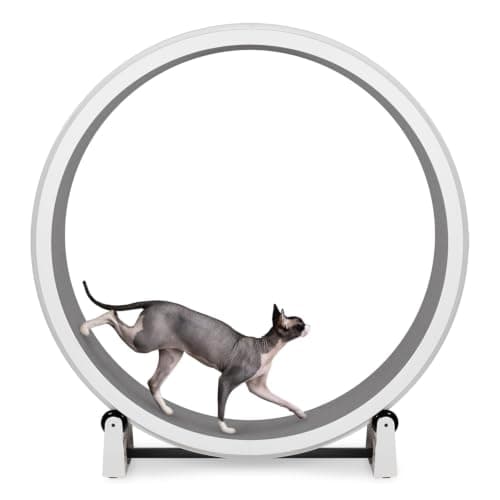
One Fast Cat Exercise Wheel, Gen 7, Safe 48” Diameter, Made in the USA
The best all-around balance of size, usability, and buyer confidence.
- 48-inch diameter fits many adult cats
- Fast assembly and traction-pad options
- 30-day returns lower risk
- Pricier than budget picks
- Training still takes patience
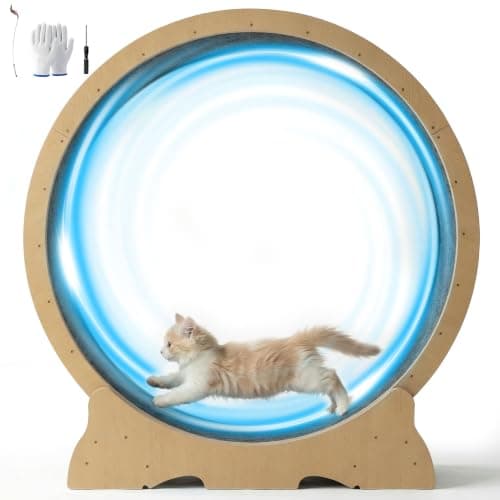
POLAHAKU Cat Wheel for Indoor Cats, 48 Inch Diameter Exercise Running Wheel
A strong value option if you want a large wheel without paying premium prices.
- Large 48-inch diameter for the price
- Quiet rollers and low-entry design
- Removable carpet track
- Less established brand reputation
- May still require training time
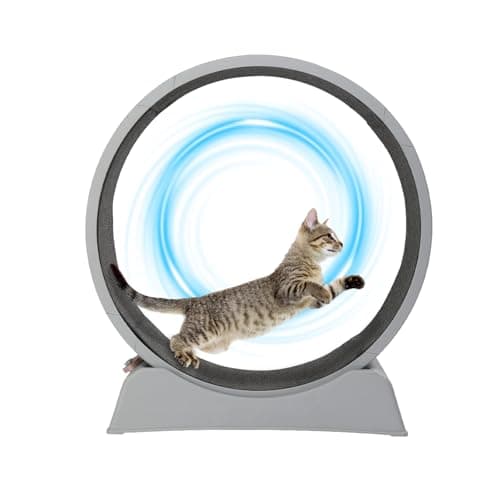
VINGLI Cat Exercise Wheel, 31" Cat Running Wheel
A practical starter wheel for smaller cats or tight budgets.
- Lower price point
- Safety lock and tool-free assembly
- Quiet performance
- Smaller running surface
- Not ideal for larger adult cats
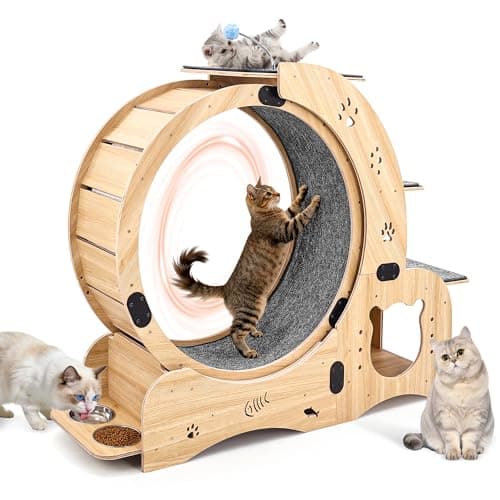
Cat Wheels for Indoor Cats, 6-in-1 Cat Exercise Running Wheel with Silent Cat Treadmill, Multi-Level Cat Tree, Hideaway Cave, Scratching Pad, Two Stainless Steel Bowls, Indoor Cat Toys for Active Play
Best for shoppers who want a cat activity center, not just a wheel.
- Multiple enrichment zones in one unit
- Quiet wheel design
- Washable carpet track
- Bulky footprint
- More complex than a simple wheel
Who this is for: Best for indoor cat owners who want a safer, quieter way to burn energy and reduce boredom.
How to Choose the Best Cat Exercise Wheel in 2026: Complete Buying Guide
If your indoor cat is zooming at midnight, clawing furniture, or packing on extra weight, you’re not alone—and a cat exercise wheel can be a smart fix. The trick is choosing one that fits your cat’s size, confidence level, and your home’s noise tolerance. The most common mistake buyers make is focusing on price or looks first, then ending up with a wheel that’s too small, too loud, or too hard for their cat to learn.
This guide breaks down how to choose a cat exercise wheel using manufacturer specs, published product details, and verified owner feedback patterns. Since this is a research-based roundup, not hands-on testing, the recommendations below focus on documented features, real-world usability, and the kinds of tradeoffs shoppers actually run into.
Key Features to Look For
1) Wheel Diameter and Running Space
A larger diameter helps your cat run with a more natural stride and less spinal bending. For most adult cats, a 48-inch wheel is the safest all-around size; smaller wheels can work for kittens or petite cats, but they may feel cramped for larger breeds or long-bodied cats. If your cat is bigger than average, prioritize diameter over everything else.
2) Stability and Base Design
A stable base matters because wobble can scare cats off and create safety concerns during fast runs. Look for a wide base, enclosed support structure, or anti-tip design. A wheel that stays planted is especially important for energetic cats that sprint rather than stroll.
3) Running Surface and Traction
The track surface should give paws grip without being abrasive. Carpet, foam, or felt pads are common; each has tradeoffs. Good traction helps cats feel secure, while removable or replaceable pads make cleaning and long-term upkeep much easier. This feature is especially important if your cat has never used a wheel before.
4) Noise Level
Quiet operation is a major quality-of-life feature for both cats and humans. Silent rollers and smooth bearings reduce the chance that the wheel becomes a noisy household nuisance. If the wheel will live in a bedroom or apartment, noise should be a top priority.
5) Safety Features
Safety details like pinch-prevention gaps, secure locking mechanisms, and open-side designs can make a big difference. A lock is useful when you want to control access or keep the wheel still when unsupervised. Low-entry designs also help hesitant cats step on more confidently.
6) Ease of Assembly
Many buyers underestimate setup time. A wheel that assembles quickly without special tools is easier to return or relocate if needed, and it lowers the barrier to getting started. This matters even more if you’re not especially handy or if you plan to move the wheel around the house.
7) Training-Friendliness
Not every cat will hop on immediately, so a wheel that’s easy to introduce is a plus. Features like a low entry point, smooth motion, and a generous running deck can help. If your cat is older, shy, or low-energy, expect a longer learning curve regardless of the model.
What to Avoid
Too-Small Wheels
Small wheels may save money, but they often force cats to arch their backs too much or take awkward steps. If the wheel is undersized for your cat, it can become uncomfortable or unsafe—and your cat may simply refuse to use it.
Wobbly Frames and Weak Bases
If reviews mention tipping, shaking, or flexing during use, take that seriously. Cats need confidence to keep using the wheel, and instability can turn a promising purchase into an ignored piece of furniture.
Overly Loud Rollers
Some wheels look fine on paper but create noise that makes owners regret the purchase. If the product description doesn’t mention silent components, and reviews complain about squeaking or clacking, keep shopping.
Hard-to-Clean Surfaces
Running tracks collect fur, dust, and paw debris. If the traction material can’t be removed or wiped down easily, maintenance becomes a chore—and dirty surfaces can reduce grip over time.
Complicated Assembly
A wheel that requires lots of tools, guesswork, or extra hardware can be frustrating before your cat even tries it. Simpler builds are usually easier to set up correctly and more likely to stay aligned.
Assuming Every Cat Will Use It Immediately
Even the best wheel may need training. Buyers often expect instant success, but many cats need days or weeks of encouragement. If a model is only appealing because it looks fun, make sure you’re ready for the training process.
Our Top Picks
Below are the best cat exercise wheels to consider if you’re learning how to choose a cat exercise wheel. Each pick reflects a different need, from budget-friendly basics to premium options with more stability or multi-function design.
1) One Fast Cat Exercise Wheel, Gen 7, Safe 48” Diameter, Made in the USA 4.7★ (10% off) ✓ Prime


Why it stands out: This is the strongest all-around choice for most shoppers because it combines a large 48-inch diameter, quick assembly, and traction-pad options with a long track record in owner feedback. It’s especially appealing if you want a proven wheel that should fit a wide range of adult cats.
- ✓ Large 48-inch diameter suits cats up to 25 lbs
- ✓ Snap-together construction keeps assembly simple
- ✓ Adhesive traction pads help with grip and comfort
- ✓ 30-day risk-free returns reduce buyer risk
- ✗ Higher price than basic budget wheels
- ✗ Some cats may need weeks of training before use
2) POLAHAKU Cat Wheel for Indoor Cats, 48 Inch Diameter Exercise Running Wheel ✓ Prime


Why it stands out: If you want a large wheel at a lower price, this is the value pick to compare against premium options. The product details emphasize quiet rollers, a low-entry design, a removable carpet track, and a wide base, making it a practical choice for households that want a budget-friendly path into wheel training.
- ✓ 48-inch diameter is suitable for many cats
- ✓ Quiet roller design is helpful for apartments and bedrooms
- ✓ Low-entry and open-side design can help hesitant cats
- ✓ Removable carpet track simplifies cleaning
- ✗ Less established reputation than the best-known premium competitors
- ✗ Training may still take time for cautious or older cats
3) VINGLI Cat Exercise Wheel, 31" Cat Running Wheel 4.4★ (9% off) ✓ Prime


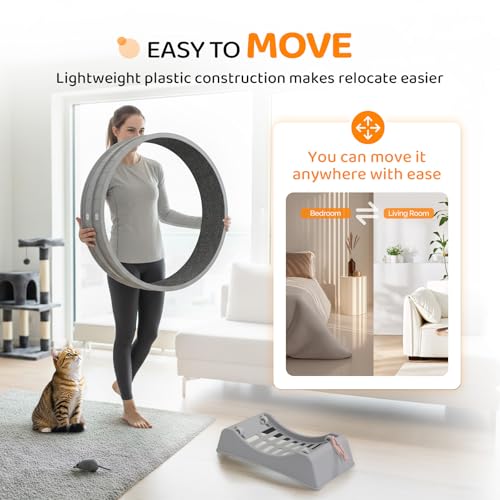
Why it stands out: This is the most approachable budget-style option in the group, especially if you want a lower-cost wheel with a built-in safety lock and tool-free assembly. It’s best for shoppers prioritizing value and convenience over a premium-sized track.
- ✓ Built-in safety lock adds control when the wheel is not in use
- ✓ Detachable scratch pad supports easy cleaning
- ✓ Quiet operation is useful in shared living spaces
- ✓ Tool-free assembly is beginner-friendly
- ✗ 31-inch size may be too small for many adult cats
- ✗ Less ideal for larger breeds or long-stride runners
4) Cat Wheels for Indoor Cats, 6-in-1 Cat Exercise Running Wheel with Silent Cat Treadmill, Multi-Level Cat Tree, Hideaway Cave, Scratching Pad, Two Stainless Steel Bowls, Indoor Cat Toys for Active Play 4.5★ (6% off) ✓ Prime


Why it stands out: Choose this if you want more than a wheel and need one piece of furniture to pull double duty as a play station, hideout, and feeding area. It’s a strong fit for cat owners who want enrichment variety in a single footprint.
- ✓ 6-in-1 design adds climbing, resting, scratching, and feeding zones
- ✓ Quiet wheel structure helps in apartments and bedrooms
- ✓ Removable washable carpet track supports easier cleaning
- ✓ Strong load capacity is helpful for larger or heavier cats
- ✗ More complex design may be overkill if you only want a simple exercise wheel
- ✗ Larger multi-function footprint may not suit very small spaces
Budget Guide: What You Get at Each Price Point
Under $60
At this level, you’re usually looking at smaller or simpler wheels, often with fewer premium materials or less refined finishes. The main upside is affordability, but you may need to compromise on diameter, quietness, or long-term durability. This is best for shoppers testing whether their cat will even use a wheel.
$60 to $120
This is the best value zone for many buyers. You can often find larger wheels, better traction surfaces, and more thoughtful safety features without jumping to premium pricing. If your cat is active and you want a wheel that feels like a real upgrade, this is a strong range to target.
$120 to $200
In this range, wheels tend to offer better stability, smoother motion, and more polished designs. You’ll often see larger diameters, stronger construction, and more owner-friendly extras like easy assembly or better return policies. This tier makes sense if you want a model that should last and you’re serious about regular use.
$200 and Up
Premium cat wheels can deliver the most refined experience, but not every cat needs one. You’re paying for stronger materials, cleaner motion, and often more established brand support. This range is worth it if your cat is large, highly active, or likely to use the wheel daily for years.
Frequently Asked Questions
What size cat exercise wheel should I buy?
For most adult cats, a 48-inch diameter is the safest and most comfortable starting point. Smaller wheels can work for kittens or very small cats, but larger cats usually need more running room to avoid an awkward stride.
Will my cat actually use an exercise wheel?
Some cats take to a wheel quickly, while others need days or weeks of training. Confidence, age, and energy level matter a lot. A low-entry design and quiet track can improve the odds, but no wheel is guaranteed to be an instant hit.
Are cat exercise wheels safe?
They can be safe when sized correctly and built with stability, traction, and pinch-prevention in mind. Look for a wide base, secure locking features, and a running surface that gives good grip.
How do I train my cat to use a wheel?
Start slowly with treats, toys, or a favorite wand toy to encourage movement. Let your cat explore the wheel at their own pace, and keep sessions short and positive. Many owners find that consistent daily practice works better than forcing the issue.
Are cat wheels noisy?
Some are very quiet, while others can squeak or clatter depending on the rollers and materials. If noise matters, look for models that specifically mention silent wheels, low-friction rollers, or smooth-running tracks.
Frequently asked questions
What size cat exercise wheel should I buy?
For most adult cats, a 48-inch diameter is the safest and most comfortable starting point. Smaller wheels can work for kittens or very small cats, but larger cats usually need more running room to avoid an awkward stride.
Will my cat actually use an exercise wheel?
Some cats take to a wheel quickly, while others need days or weeks of training. Confidence, age, and energy level matter a lot. A low-entry design and quiet track can improve the odds, but no wheel is guaranteed to be an instant hit.
Are cat exercise wheels safe?
They can be safe when sized correctly and built with stability, traction, and pinch-prevention in mind. Look for a wide base, secure locking features, and a running surface that gives good grip.
How do I train my cat to use a wheel?
Start slowly with treats, toys, or a favorite wand toy to encourage movement. Let your cat explore the wheel at their own pace, and keep sessions short and positive. Many owners find that consistent daily practice works better than forcing the issue.
Are cat wheels noisy?
Some are very quiet, while others can squeak or clatter depending on the rollers and materials. If noise matters, look for models that specifically mention silent wheels, low-friction rollers, or smooth-running tracks.

How Scout Picks
Specs & standards
We start from manufacturer specs and category standards.
Expert tests
We weigh independent expert and lab test results.
Verified owner reviews
We read patterns across thousands of real owners.
Scout is our illustrated guide — we research from specs, independent expert tests, and thousands of verified owner reviews. We don't lab-test products ourselves.
How we pick →Get the Full Pet Gear Buyer's Guide
Join our free newsletter — we'll send our latest Pet Gear picks, specs and verdicts straight to your inbox.
Free. No spam. Unsubscribe anytime.
Was this review helpful?
Be the first to share your feedback on this review.
Sign in to vote and let us know what you think.
Discussion (0)
No comments yet. Be the first to start the discussion.
Related Reviews
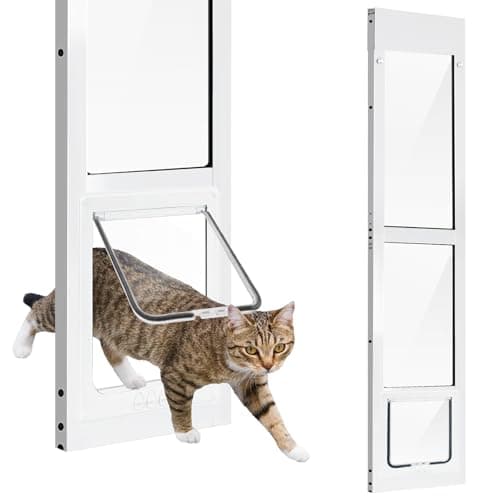
How to Choose the Best Sliding Door Cat Door in 2026: Complete Buying Guide
If you’re figuring out how to choose a sliding door cat door , the biggest challenge is usually not the cat flap itself—it’s getting the right fit, seal, and security for your specific sliding door. Choose poorly, and you can end up with drafts, a wobbly insert, or a cat door your pet won’t use comf
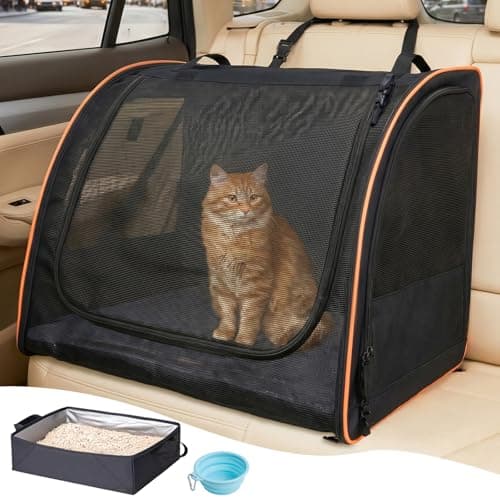
How to Choose the Best Cat Car Seat in 2026: Complete Buying Guide
Choosing a cat car seat matters because the right setup can reduce stress, prevent escapes, and make every vet visit or road trip safer for both you and your cat. The most common mistake buyers make is choosing a soft carrier or booster seat based on size alone, without checking restraint points, st
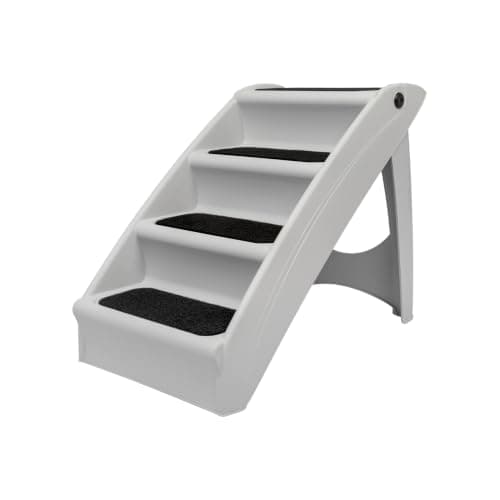
7 Best Folding Cat Ramps for Travel and Stairs in 2026 — Safer Climbing for Cars, Couches, and Senior Pets
If your cat hesitates at the couch, struggles with stairs, or needs a gentler way into the car, the right folding ramp or stair set can make everyday life much easier. This roundup focuses on compact, travel-friendly options that are easy to store, simple to carry, and built to help pets climb more