

Scout's Take
4 picks worth buying
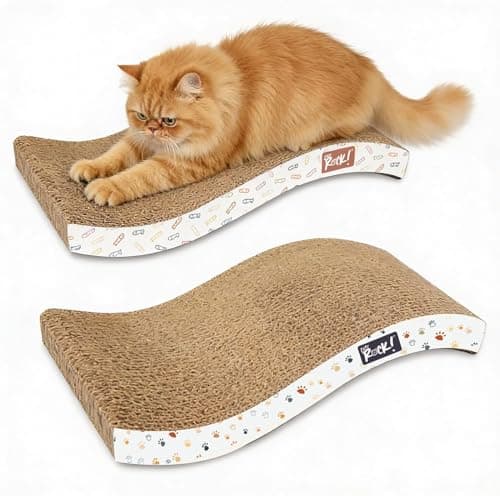
Cats Rock Scratching Board for Indoor Cats, Corrugated Cardboard Cat Scratcher with Catnip, Double-Sided Scratch Pad, Wave Scratcher Colorful Leopard Design (Pack of 2)
The best balance of price, shape, and value for most homes.
- Pack of 2 adds value
- Double-sided design extends use
- Catnip included for easier adoption
- Cardboard wears down over time
- Not ideal for vertical scratchers
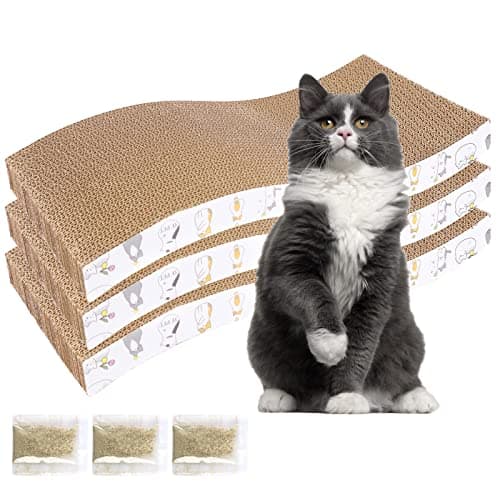
PatiencET 3 Pack Cat Scratcher Pad Recycle Corrugated Cat Scratching Pad Type S Cat Scratch Pad Lounger Sofa for Furniture Protector
A smart pick if you need to protect several furniture spots at once.
- Three-pack covers multiple rooms
- Curved shape works for scratching and lounging
- Reversible for longer use
- Takes more space than a flat pad
- Catnip can be messy if overused
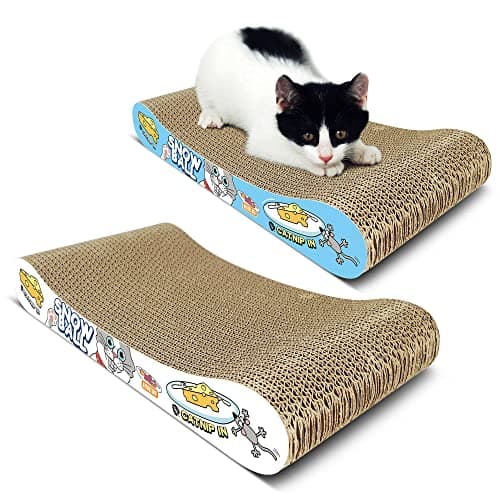
TTCAT Cat Scratching Pad, 2 Pack Corrugated Cat Scratcher Cardboard, Bone Type Durable Cat Scratching Board Reversible for Furniture Protection.
A durable option for buyers who want more life from each scratcher.
- Dense corrugated build
- Reversible design improves value
- Good size for stretching
- Costs more than some cardboard packs
- Still a consumable item
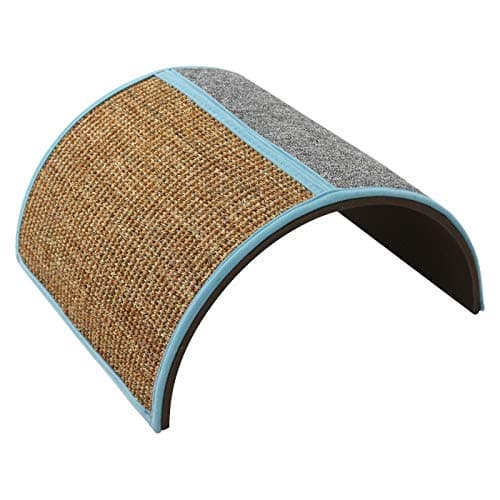
Boots & Barkley Cat Wave Scratcher
A no-fuss wave scratcher for cats that like a curved surface.
- Easy to place in the home
- Good for scratching plus lounging
- Straightforward wave design
- Fewer features than multi-packs
- Higher price than some alternatives
Who this is for: Best for cat owners who want a simple guide to scratcher types and a few affordable cardboard options.
What Are Types of Cat Scratchers? A Complete 2026 Guide
Trying to figure out the types of cat scratchers explained can feel confusing when every option looks similar but serves a different purpose. The right scratcher can protect your furniture, give your cat a healthy outlet for claw maintenance, and reduce boredom-related damage. This guide breaks down how scratchers work, which styles do what, and which products are worth a look based on manufacturer specs, independent expert guidance, and verified owner feedback.
How It Works
Cat scratchers work by giving cats a surface that matches their natural scratching instincts: stretching, claw maintenance, scent marking, and stress relief. Instead of teaching a cat to stop scratching, the goal is to redirect that behavior onto a surface that is satisfying to scratch and easy for you to replace or move around the home.
Most scratchers use corrugated cardboard, sisal, carpet, or wood-like textures. The texture matters because cats generally prefer materials that let their claws sink in slightly, pull, and shred in a controlled way; cardboard scratchers are especially popular because they’re lightweight, affordable, and often reversible for longer use.
Different shapes also change how cats use them. Flat pads are good for quick scratching, wave or lounger styles support stretching and napping, and upright styles are better for cats that prefer vertical scratching like they would on a couch corner or door frame.
Key Benefits & Use Cases
Why scratchers matter
A good scratcher helps preserve furniture, rugs, and baseboards while supporting a cat’s physical and mental health. Scratching can help cats shed outer claw layers, stretch their shoulders and spine, and release energy in a natural way.
Best use cases by scratcher style
- Flat pads: Best for cats that scratch low to the ground or like to lounge while scratching.
- Wave and lounger scratchers: Useful for cats that like to stretch, scratch, and rest in one spot.
- Double-sided cardboard pads: Good for budget-conscious buyers who want longer life from a single purchase.
- Decorative scratchers: Ideal when the scratcher will stay in a visible living area.
- Catnip-enhanced models: Helpful for encouraging a hesitant cat to try a new scratcher.
In general, cardboard scratchers are one of the easiest entry points because they’re familiar to many cats and simple to place in high-traffic spots. If your cat scratches sofas or beds, a curved or lounge-style pad can be especially useful because it gives a similar body position to furniture corners and cushions.
What to Look For When Buying
1) Shape and scratching position
Choose a scratcher that matches how your cat already scratches. Some cats prefer flat surfaces, while others want a raised curve or vertical angle.
2) Material durability
Look for thick corrugated cardboard, layered construction, or other durable materials if your cat scratches hard or frequently. More dense cardboard usually lasts longer than thin, flimsy pads.
3) Size and stability
The scratcher should be large enough for your cat to stretch comfortably and stable enough not to slide around during use. Bigger cats often need wider or longer surfaces.
4) Reversible or replaceable design
Reversible scratchers can be flipped and used on both sides, which improves value. Replaceable pads are also useful if you want a longer-term setup.
5) Cat appeal and placement
Catnip, familiar textures, and placement near a favorite sleeping or scratching spot can make a huge difference. A scratcher only works if your cat actually uses it, so convenience matters as much as construction.
Top Recommended Products
Below are the scratchers from the product list that best illustrate the main types of cat scratchers explained in this guide. These picks are based on listed features, price, shape, and owner feedback patterns commonly seen with cardboard scratchers.
1) Cats Rock Scratching Board for Indoor Cats, Corrugated Cardboard Cat Scratcher with Catnip, Double-Sided Scratch Pad, Wave Scratcher Colorful Leopard Design (Pack of 2) Best Overall ✓ Prime $12.99


This pack of two is the strongest all-around value in the group because it combines a wave shape, double-sided use, catnip, and a low entry price. The corrugated texture is a classic choice for cats that prefer cardboard, and the decorative design makes it easier to keep in a visible room.
- ✓ Pack of 2 adds value and flexibility
- ✓ Double-sided design extends usable life
- ✓ Catnip included to boost first-use interest
- ✗ Cardboard will still wear down over time
- ✗ Not ideal for cats that strongly prefer vertical scratching
2) PatiencET 3 Pack Cat Scratcher Pad Recycle Corrugated Cat Scratching Pad Type S Cat Scratch Pad Lounger Sofa for Furniture Protector Best for Furniture Protection ✓ Prime 29% OFF — Was $23.99 $16.99
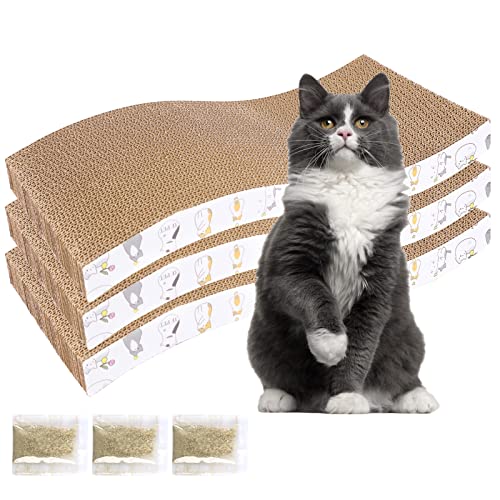

The S-curved lounger shape makes this a smart choice for cats that scratch while stretching, climbing, or resting. The three-pack format is especially useful if you want to place scratchers near the couch, bed, and another favorite hangout spot.
- ✓ Three-pack format helps cover multiple problem areas
- ✓ Curved shape supports scratching and lounging
- ✓ Reversible for longer use
- ✗ Larger footprint than a flat pad
- ✗ Catnip can create a little mess if overused
3) TTCAT Cat Scratching Pad, 2 Pack Corrugated Cat Scratcher Cardboard, Bone Type Durable Cat Scratching Board Reversible for Furniture Protection. Best for Long-Term Use ✓ Prime $22.99

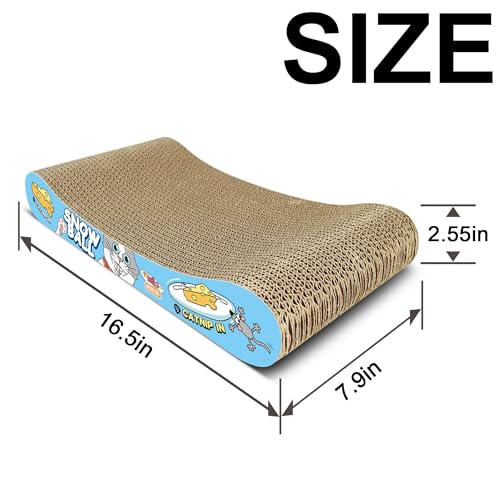
This two-pack stands out for durability claims, a dense corrugated structure, and a reversible design that can stretch the life of each piece. The curved lounge shape is also a good fit for cats that like to scratch and then settle into a nap.
- ✓ Dense corrugated build for heavier daily use
- ✓ Reversible design improves value
- ✓ Good size for stretching and lounging
- ✗ Higher price than some other cardboard options
- ✗ Still a consumable item that will eventually need replacing
4) Boots & Barkley Cat Wave Scratcher Best for a Simple Wave Scratcher ✓ Prime $27.50

This is the most straightforward wave-style option in the roundup, which makes it a solid fit for buyers who want a basic curved scratcher without extra complexity. The wave shape works well for cats that like to scratch, stretch, and lie down in one motion.
- ✓ Simple wave design is easy to place in the home
- ✓ Good for scratching plus lounging
- ✓ Brand-backed option with accessory support noted in the listing
- ✗ Less feature-rich than some multi-pack alternatives
- ✗ Price is higher than several cardboard packs
Common Mistakes to Avoid
Buying the wrong shape for your cat
A cat that scratches the couch corner may not love a flat pad on the floor. Matching the scratcher shape to your cat’s current habits is one of the easiest ways to improve success.
Choosing size over fit
A scratcher can look sturdy but still be too small for a full-body stretch. If your cat likes to sprawl, choose a longer wave or lounger style instead of a tiny pad.
Ignoring placement
Even the best scratcher may go unused if it’s hidden in a low-traffic room. Place it near where your cat already scratches, naps, or wakes up.
Expecting instant behavior change
Some cats use a new scratcher right away; others need time, scent cues, or a little redirection. Catnip can help, but consistency matters more than novelty.
Overlooking durability
Thin cardboard may seem cheaper at first, but it can wear out quickly if your cat scratches aggressively. Reversible or denser designs often provide better long-term value.
Frequently Asked Questions
What are the main types of cat scratchers?
The main types are flat pads, wave or lounger scratchers, upright posts, and textured boards. Flat and wave styles are especially common in cardboard scratchers.
Are cardboard cat scratchers good for cats?
Yes. Cardboard scratchers are popular because many cats enjoy the texture, they’re usually affordable, and they’re easy to replace or move around the house.
Why do some cats prefer wave scratchers?
Wave scratchers support a more natural stretching posture, so cats can scratch, rub, and lounge on the same surface. That makes them appealing for cats that like to extend their whole body.
How do I get my cat to use a new scratcher?
Place it where your cat already scratches, sprinkle a little catnip if the product includes it, and reward use with praise or treats. Moving the scratcher closer to a favorite nap spot can also help.
How often should I replace a cat scratcher?
Replace it when the surface becomes too shredded, unstable, or messy to use comfortably. Reversible scratchers can last longer because both sides are used before replacement.
Frequently asked questions
What are the main types of cat scratchers?
The main types are flat pads, wave or lounger scratchers, upright posts, and textured boards. Flat and wave styles are especially common in cardboard scratchers.
Are cardboard cat scratchers good for cats?
Yes. Cardboard scratchers are popular because many cats enjoy the texture, they’re usually affordable, and they’re easy to replace or move around the house.
Why do some cats prefer wave scratchers?
Wave scratchers support a more natural stretching posture, so cats can scratch, rub, and lounge on the same surface. That makes them appealing for cats that like to extend their whole body.
How do I get my cat to use a new scratcher?
Place it where your cat already scratches, sprinkle a little catnip if the product includes it, and reward use with praise or treats. Moving the scratcher closer to a favorite nap spot can also help.
How often should I replace a cat scratcher?
Replace it when the surface becomes too shredded, unstable, or messy to use comfortably. Reversible scratchers can last longer because both sides are used before replacement.

How Scout Picks
Specs & standards
We start from manufacturer specs and category standards.
Expert tests
We weigh independent expert and lab test results.
Verified owner reviews
We read patterns across thousands of real owners.
Scout is our illustrated guide — we research from specs, independent expert tests, and thousands of verified owner reviews. We don't lab-test products ourselves.
How we pick →Get the Full Pet Gear Buyer's Guide
Join our free newsletter — we'll send our latest Pet Gear picks, specs and verdicts straight to your inbox.
Free. No spam. Unsubscribe anytime.
Was this review helpful?
Be the first to share your feedback on this review.
Sign in to vote and let us know what you think.
Discussion (0)
No comments yet. Be the first to start the discussion.
Related Reviews
What is a New Kitten Gear Checklist? A Complete 2026 Guide
A new kitten gear checklist is the simplest way to make those first days at home less chaotic, less stressful, and a lot safer for both you and your kitten. Instead of guessing what you need after adoption day, a checklist helps you gather the essentials for feeding, litter, scratching, travel, and
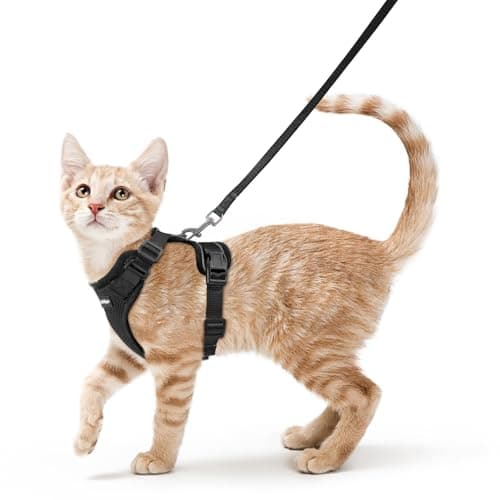
How to Choose the Best Cat Harness in 2026: Complete Buying Guide
If you’re trying to figure out how to choose a cat harness , the biggest challenge is usually not finding one that looks cute — it’s finding one that your cat can actually wear safely and comfortably. A poor fit can lead to slipping out, chafing, or a full-on backyard escape attempt, which is why ha
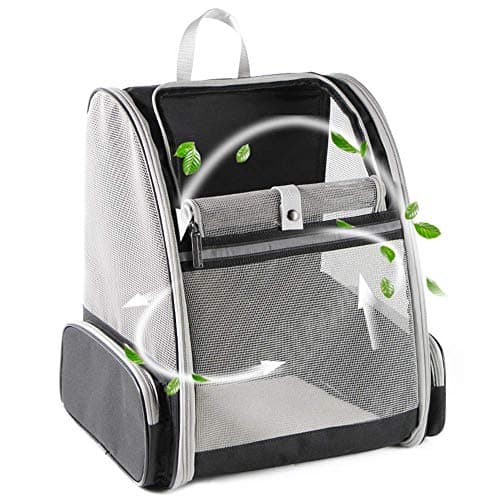
Are Cat Backpacks Worth It Review (2026): Specs, Pros & Cons, and Who It's For
If you’re wondering are cat backpacks worth it , the short answer is: sometimes, yes — but only for the right cat and the right trip. A good backpack can make vet visits, quick errands, and apartment living easier, while a poor fit can turn travel into a stressful, sweaty mess for both of you. This