

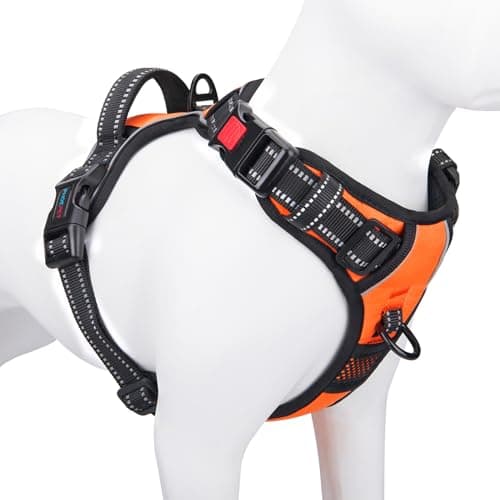
Who this is for: Best for owners of medium dogs who pull on walks and need a budget-friendly control aid.
Are No Pull Harnesses Worth It Review (2026): Specs, Pros & Cons, and Who It's For
If your dog turns every walk into a tug-of-war, you’re probably asking the right question: are no pull harnesses worth it? The short answer is yes for many leash-pulling dogs, but only if you choose a well-fitting design and use it correctly. Based on manufacturer specs, published expert guidance, and verified owner feedback, this review breaks down where a no-pull harness helps, where it falls short, and who should buy one.
Key Specifications
| Spec | Details |
|---|---|
| Product | PHOEPET No Pull Dog Harness Medium Reflective Front Clip Vest with Handle |
| Price | 12% OFF — Was $15.83 Now $13.93 ✓ Prime |
| Leash Attachment Points | 2 metal hook loops: front chest clip and back clip |
| Closure Style | 3 buckles, including a lockable neck buckle; no need to go through the dog’s head |
| Safety Features | Reflective material for visibility in low light |
| Control Feature | Soft back handle for closer control and assistance into a car |
| Best Use Case | Everyday walking help for medium dogs that pull, lunge, or need extra handling support |
Design & Build Quality
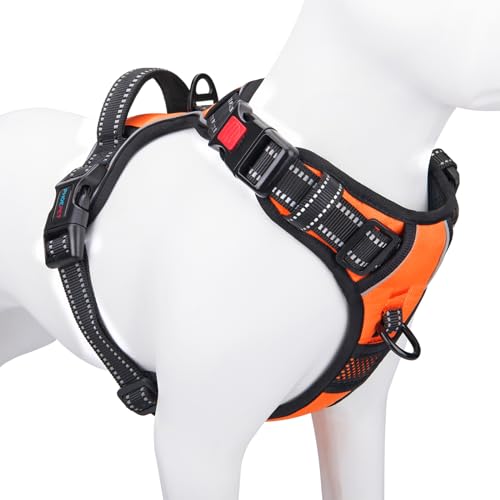

The PHOEPET No Pull Dog Harness Medium Reflective Front Clip Vest with Handle is built around convenience and control rather than minimalist styling. Its biggest design advantage is the updated buckle layout: three buckles, including a lockable neck buckle, which means many dogs can step into it without having the harness pulled over their head. That matters for dogs who dislike head-first harnesses or get fussy during dressing.
Owner feedback commonly praises the harness for being straightforward to put on and for feeling more secure than simple step-in styles. The dual-clip layout also makes it more versatile than a basic vest, since you can use the front clip to discourage pulling or the back clip for a more traditional walk. In research-based comparisons, that flexibility is one of the main reasons no-pull harnesses get recommended in the first place.
Build quality appears solid for the price tier. The metal hook loops are a plus, and the reflective material adds a practical safety touch for early-morning or evening walks. The back handle is another thoughtful detail: it gives you a closer point of contact when your dog lunges, needs assistance into a vehicle, or must be steadied quickly.
That said, this is still a budget-friendly harness, so expectations should stay realistic. It’s designed for everyday control, not for hard-core escape artists or dogs with extreme pulling power. As with most no-pull harnesses, the fit is everything: if the harness rides up, twists, or sits too loose, the “no pull” effect drops off quickly.
- ✓ Three buckles, including a lockable neck buckle, make it easier to put on without going over the head
- ✓ Two metal leash attachment points add flexibility for training and regular walks
- ✓ Reflective material improves visibility in low light
- ✓ Soft back handle gives extra control in tight situations
- ✓ Budget price makes it accessible for first-time buyers
- ✗ Not a replacement for leash training or behavior work
Performance & Features


So, are no pull harnesses worth it in actual use? For many dogs, yes — especially when the goal is reducing forward momentum, improving steering, and making walks less exhausting. This PHOEPET model uses a front leash clip to redirect the dog toward you when they surge ahead. That doesn’t magically stop pulling, but it can make pulling less effective and easier to manage.
Published trainer guidance generally agrees that front-clip harnesses can help with loose-leash walking, but they work best as a training aid rather than a standalone fix. That matches the owner feedback pattern here: people tend to like the harness most when they pair it with consistent leash training. For dogs that are moderately reactive or simply enthusiastic walkers, the front clip can noticeably improve control.
The back clip is useful too. Some owners prefer it for calmer walks once their dog is already trained, while others switch between front and back depending on the situation. The handle is especially valuable for crowded sidewalks, vet visits, stairs, car loading, or moments when you need to keep your dog close. That kind of utility often separates a decent no-pull harness from a great one.
One of the most practical features is visibility. Reflective material is a small detail, but it matters a lot for safety, especially in low-light conditions. It won’t replace a light-up collar or vest, but it does make the harness more visible to drivers and pedestrians.
There are limits, though. A front-clip harness can reduce pulling, but it won’t eliminate it in every dog. Strong pullers may still lean into the leash, and dogs with highly excitable or reactive behavior may need additional training tools or professional help. In other words, the harness can improve the walk, but it is not a complete behavior solution.
- ✓ Front clip helps redirect pulling and improve leash control
- ✓ Back clip allows more traditional walking when training improves
- ✓ Reflective trim supports safer evening walks
- ✓ Handle adds close control for lunging or lifting into a car
- ✓ Dual-use design suits training and everyday outings
- ✗ Effectiveness depends heavily on proper fit and consistent training
Value for Money
At $13.93 with Prime and a listed discount from $15.83, this harness sits in the value-buy lane rather than the premium category. That matters because many no-pull harnesses are priced high enough that buyers expect near-perfect performance. This one aims more at practical everyday usefulness: easier on/off design, two leash points, reflective material, and a handle, all at a low entry price.
From a value perspective, that’s a strong package. If you’re trying to solve moderate pulling without spending much, the feature set is compelling. The fact that it includes the front clip, back clip, and handle means you get multiple use modes without paying for a more expensive “trainer” harness.
Verified owner reviews generally support the idea that this is a good bargain for the money, especially for medium dogs and casual walkers. The main caution is that value is only good if the fit works for your dog. A cheap harness that slips, rubs, or doesn’t stay centered is no bargain at all.
Bottom line: if you’re asking whether no pull harnesses are worth it from a cost standpoint, this one makes a strong case for “yes” — as long as your dog is a reasonable match for the design.
- ✓ Low price makes it easy to try without a big commitment
- ✓ Feature-rich for the cost, especially with dual clips and a handle
- ✓ Prime shipping adds convenience for quick replacement or first-time buyers
- ✗ Budget pricing may mean less refinement than premium harnesses
- ✗ Fit issues can erase the value advantage
Who Should Buy This
This harness is a good fit for dog owners who want a simple, affordable way to improve leash manners without jumping straight to a premium training system. It makes the most sense for medium dogs that pull moderately, lunge occasionally, or need a little extra help staying controlled on walks.
It’s also a smart pick if you value convenience. The no-head design can be easier for nervous or head-shy dogs, and the handle is useful for everyday situations where you need a quick grab point. If you walk in the early morning or evening, the reflective material is another real plus.
In short, buy this if you want a budget-friendly no-pull harness that covers the basics well and gives you more control than a flat collar alone.
Who Should Look Elsewhere
You should probably look elsewhere if your dog is a severe puller, a known escape artist, or has highly specialized fit needs. While this harness can improve control, it is not built to solve every walking problem by itself.
It may also not be the best choice if you want a premium-feeling harness with more robust padding, extensive size options, or advanced adjustability. And if your dog strongly dislikes any harness pressure at the chest, a different design may be more comfortable.
Finally, owners who want a true training solution should know that a harness is only part of the process. If your dog’s pulling is rooted in reactivity, fear, or high arousal, a no-pull harness can help, but it won’t replace behavior training.
Final Verdict
Yes — for many dogs, no-pull harnesses are worth it, and this PHOEPET model is a strong example of why. It combines the most useful features people actually want: a front clip for pulling control, a back clip for everyday walks, reflective material, and a handle, all at a low price.
If your dog is a moderate puller and you want a practical, affordable upgrade from a collar or basic harness, this is an easy recommendation. If you need maximum durability, escape resistance, or help with serious behavior issues, you may want to shop higher up the ladder.
Frequently Asked Questions
Are no pull harnesses worth it for dogs that pull?
Yes, for many dogs they are worth it because front-clip designs can reduce pulling and improve control. They work best when paired with leash training and a proper fit.
Do no pull harnesses stop pulling completely?
No. They usually reduce pulling rather than eliminate it. Dogs can still pull if they are highly excited, reactive, or not trained to walk loosely on leash.
Is a front clip harness better than a back clip harness?
For pulling control, a front clip is usually better. A back clip is often more comfortable for relaxed walks, so dual-clip harnesses offer the most flexibility.
Can a no pull harness hurt my dog?
Not when fitted correctly and used properly. Problems usually come from poor sizing, rubbing, or too much tension from the leash, not from the concept itself.
What kind of dog benefits most from a no pull harness?
Dogs that moderately pull, lunge occasionally, or need extra steering on walks often benefit most. They are especially useful for owners who want more control without using a collar-only setup.
Pros
- Front and back leash clips
- Easy no-head design with 3 buckles
- Reflective material for low-light safety
- Back handle adds close control
- Low price with Prime shipping
Cons
- Not a complete fix for pulling
- Fit matters a lot for effectiveness
- May not suit severe pullers or escape artists
Frequently asked questions
Are no pull harnesses worth it for dogs that pull?
Yes, for many dogs they are worth it because front-clip designs can reduce pulling and improve control. They work best when paired with leash training and a proper fit.
Do no pull harnesses stop pulling completely?
No. They usually reduce pulling rather than eliminate it. Dogs can still pull if they are highly excited, reactive, or not trained to walk loosely on leash.
Is a front clip harness better than a back clip harness?
For pulling control, a front clip is usually better. A back clip is often more comfortable for relaxed walks, so dual-clip harnesses offer the most flexibility.
Can a no pull harness hurt my dog?
Not when fitted correctly and used properly. Problems usually come from poor sizing, rubbing, or too much tension from the leash, not from the concept itself.
What kind of dog benefits most from a no pull harness?
Dogs that moderately pull, lunge occasionally, or need extra steering on walks often benefit most. They are especially useful for owners who want more control without using a collar-only setup.
Score breakdown
- value
- 8.9
- usability
- 8.6
- durability
- 7.6
- performance
- 8.2
- buyerFeedback
- 8.0

How Scout Picks
Specs & standards
We start from manufacturer specs and category standards.
Expert tests
We weigh independent expert and lab test results.
Verified owner reviews
We read patterns across thousands of real owners.
Scout is our illustrated guide — we research from specs, independent expert tests, and thousands of verified owner reviews. We don't lab-test products ourselves.
How we pick →Get the Full Pet Gear Buyer's Guide
Join our free newsletter — we'll send our latest Pet Gear picks, specs and verdicts straight to your inbox.
Free. No spam. Unsubscribe anytime.
Was this review helpful?
Be the first to share your feedback on this review.
Sign in to vote and let us know what you think.
Discussion (0)
No comments yet. Be the first to start the discussion.
Related Reviews
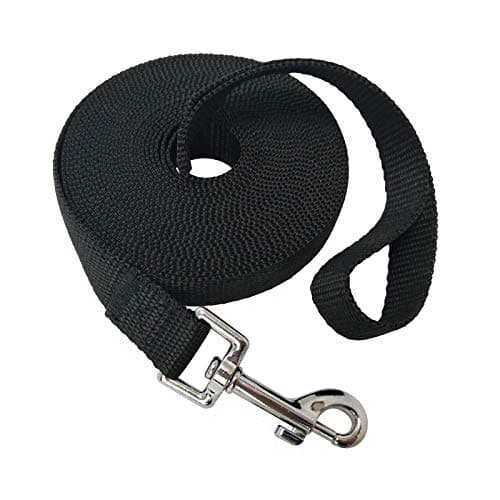
What Is a New Puppy Gear Checklist? A Complete 2026 Guide
A new puppy gear checklist is the simple shopping and setup plan that helps you bring home a puppy without scrambling for missing essentials. It covers the basics your puppy needs for safety, training, feeding, sleeping, and housebreaking from day one. If you’re overwhelmed by all the cute but confl
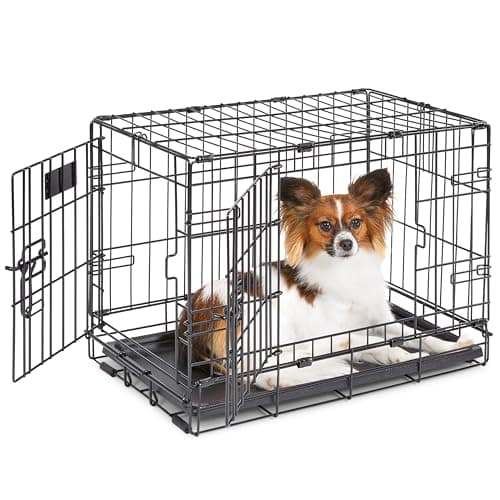
What is What to Look for in a Dog Crate? A Complete 2026 Guide
If you’re trying to figure out what to look for in a dog crate , the biggest challenge is avoiding a purchase that’s too small, too flimsy, or simply wrong for your dog’s routine. The right crate should support safety, comfort, house training, and daily convenience without turning into a stress poin
What is Types of Dog Leashes Explained? A Complete 2026 Guide
Choosing the right leash can feel confusing when every walk has a different need: training a puppy, managing a strong puller, or just keeping a neighborhood stroll comfortable. The good news is that the main types of dog leashes explained are easier to understand once you know how each one controls