

Scout's Take
3 picks worth buying
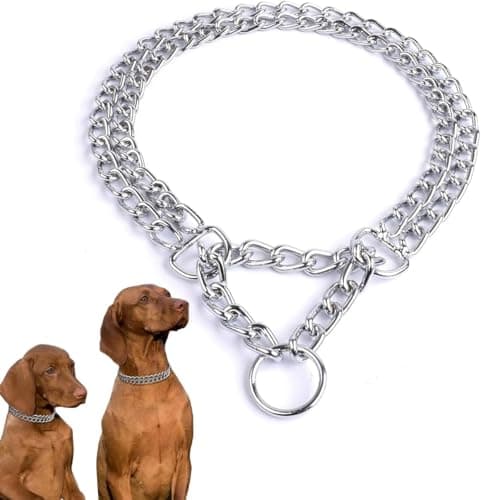
Silver Dog Choker Collar,2 Rows Stainless Steel Dog Chain Cuban Link Metal Martingale Collar Heavy Duty Training Choke Collar for Small Medium Large Big Breed (Silver, M(Neck Max 16inch) D2.5mm)
Best for owners who want the clearest sizing guidance and a sturdy martingale-style training collar.
- Multiple size options
- Detailed measurement guide
- Durable stainless steel build
- Training-focused design
- Heavier than flat collars
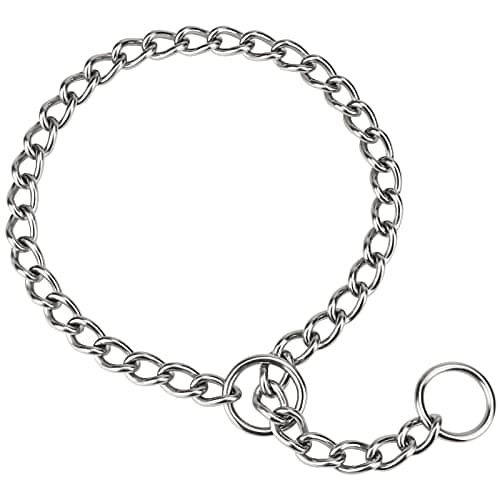
TagME Chain Choke Collar for Dogs, No Pull Slip Training for Large Dogs
Best for budget-conscious buyers who want a simple, size-guided chain training collar.
- Low price
- Clear max neck girth
- Rust-resistant alloy steel
- Not for unattended wear
- Limited to training use
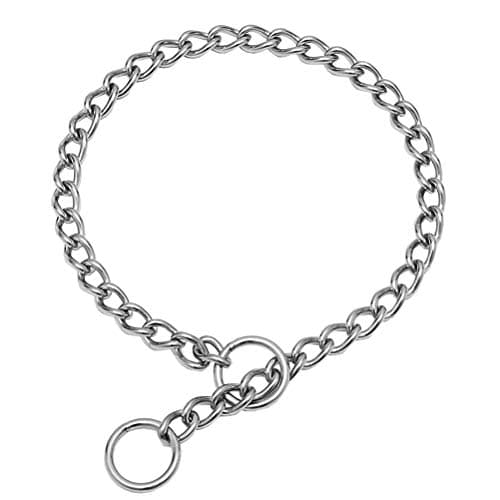
SGODA Chain Dog Training Choke Collar, Total Length 26 in, 4 mm
Best for buyers who prioritize a tough, long-lasting metal build.
- 304 stainless steel
- Simple sizing rule
- Rust-resistant
- Training-only use
- May be too much collar for small dogs
Who this is for: Best for dog owners who need a practical, measurement-first guide to choosing a safe, well-fitting collar.
What is a Dog Collar Sizing Guide? A Complete 2026 Guide
If your dog’s collar slips off too easily, feels too tight, or keeps rubbing the neck, you’re not alone—getting the size right is one of the most common pet-gear frustrations. A good dog collar sizing guide helps you match neck measurements to the right collar style so your dog stays safe, comfortable, and easier to handle. In this guide, Scout’s Picks breaks down how collar sizing works, what to measure, and which training collars are most useful when fit matters most.
How It Works
Dog collar sizing is based on a simple idea: the collar should fit securely enough that it won’t slide off, but loosely enough that you can fit a couple of fingers between the collar and your dog’s neck. Most sizing charts use either a neck circumference range or a maximum neck girth, and some training collars also ask you to measure the widest part of the dog’s head so the collar can pass over it. That matters especially for slip-style and martingale-style collars, which are designed to tighten under tension and therefore need the right starting size to work properly.
For everyday use, the fit is mostly about comfort and safety. For training collars, sizing also affects how the collar functions: too small and it may be hard to put on or too restrictive; too large and it may not provide the intended control. Manufacturer instructions often recommend adding about 2 inches to your dog’s neck measurement for certain chain collars, but you should always follow the specific product chart because construction and closure style vary.
Key Benefits & Use Cases
Why collar sizing matters
The right size improves comfort, reduces escaping risk, and helps the collar perform as intended. In training situations, a properly fitted collar can make cues clearer and handling more predictable. In everyday life, a good fit reduces chafing and prevents the collar from rotating too loosely on the neck.
Common use cases
- Walking: A secure fit helps keep your dog safely attached to the leash.
- Training: Slip and martingale styles rely on the right size for controlled correction.
- Escape prevention: Dogs with narrow heads or high prey drive may need a more precise fit.
- Breed-specific needs: Some breeds with thick necks or broad heads need extra attention to head measurement.
- Growth planning: Puppies may need frequent remeasurement as they grow.
What to Look For When Buying
When choosing a collar from a dog collar sizing guide perspective, focus on these five criteria:
1. Neck measurement range
Check the product’s stated neck size range, not just the general category like “small” or “large.” If your dog is near the top of a range, sizing up may be safer depending on the collar style.
2. Head width and collar entry
Some collars must pass over the dog’s head, so the widest part of the head may be more important than the neck alone. This is especially relevant for slip collars and some martingale designs.
3. Material and durability
Look for stainless steel or alloy steel if you want rust resistance and long-term durability. Heavier-duty links can be useful for training, but they should still be appropriate for your dog’s size and strength.
4. Intended use
Training collars are not the same as everyday flat collars. Make sure the product is meant for walking or training, and follow the manufacturer’s warnings about supervision and proper use.
5. Fit guidance from the manufacturer
The best listings give clear sizing instructions, such as “measure neck circumference and add 2 inches” or “leave 2 fingers of room.” Clear guidance usually means fewer guesswork problems and a better first fit.
Top Recommended Products
These picks are based on manufacturer specs, sizing guidance, and verified owner feedback patterns—not hands-on testing. For training-style collars, fit and intended use matter as much as price.
TagME Chain Choke Collar for Dogs, No Pull Slip Training for Large Dogs 4.99★ ✓ Prime $9.99


This alloy-steel chain collar is sized for a maximum neck girth of 22.6 inches and uses a 3.5 mm link diameter. The brand’s guidance is straightforward: measure around the neck, leave room for two fingers, and match the chart before buying.
- ✓ Clear sizing guidance with a max neck girth listed
- ✓ Alloy steel with chrome plating for rust resistance
- ✓ Lightweight enough for training cues
- ✓ Prime shipping and low entry price
- ✗ Not meant for unattended wear
- ✗ Best suited to training, not casual all-day use
Silver Dog Choker Collar,2 Rows Stainless Steel Dog Chain Cuban Link Metal Martingale Collar Heavy Duty Training Choke Collar for Small Medium Large Big Breed (Silver, M(Neck Max 16inch) D2.5mm) 4.8★ ✓ Prime $11.88


This stainless steel martingale-style chain comes in three sizes and includes a measurement guide that tells buyers to measure the widest part of the head and the natural collar position, then add 2 inches. That makes it one of the more helpful options for owners who want a sizing-first approach.
- ✓ Multiple size options for small to large dogs
- ✓ Detailed sizing instructions reduce guesswork
- ✓ Double-row stainless steel construction
- ✓ Martingale design offers controlled tightening
- ✗ Heavier-looking design may not suit every dog
- ✗ Training-focused, so not ideal as a casual everyday collar
SGODA Chain Dog Training Choke Collar, Total Length 26 in, 4 mm 4.7★ ✓ Prime $9.88


Built from 304 stainless steel, this 26-inch training chain is aimed at owners who want a durable, rust-resistant collar with simple sizing guidance. The brand recommends measuring neck circumference and adding 2 inches for initial collar length.
- ✓ Strong 304 stainless steel construction
- ✓ Clear “measure and add 2 inches” sizing rule
- ✓ Good value for a metal training collar
- ✓ Rust-resistant and long-lasting
- ✗ Training use only, not for unsupervised wear
- ✗ May be more collar than some smaller dogs need
Common Mistakes to Avoid
- Measuring only the neck and ignoring head size. For some collars, the head has to pass through first, so neck size alone can be misleading.
- Leaving too much slack. A collar that is too loose can rotate, slip, or fail to work as intended.
- Buying by breed instead of measurement. Breed labels are only a rough starting point; actual neck size varies a lot.
- Using training collars as everyday collars. Many chain and choke-style products are designed for supervised training sessions, not all-day wear.
- Skipping the manufacturer chart. Each design fits differently, so the exact sizing notes matter more than the product name alone.
Frequently Asked Questions
How do I measure my dog for a collar?
Use a soft measuring tape around the base of the neck where the collar normally sits. Add about two fingers of room, then compare the measurement with the product’s sizing chart.
Should I size up or down if my dog is between sizes?
It depends on the collar style, but for most collars it’s safer to follow the brand’s fit guidance closely. For training collars, the manufacturer’s recommended adjustment range usually matters more than guessing.
How tight should a dog collar be?
A properly fitted collar should be snug enough that it won’t slip off, but loose enough for two fingers to fit underneath. If it feels restrictive or causes rubbing, it’s too tight.
Do martingale collars need special sizing?
Yes. Martingale collars are designed to tighten under tension, so you need to measure carefully and follow the brand’s instructions for neck and head size.
Can I leave a chain choke collar on all day?
No. The product guidance for these collars typically says they should be used only during training sessions or walks and never left on unattended.
Frequently asked questions
How do I measure my dog for a collar?
Use a soft measuring tape around the base of the neck where the collar normally sits. Add about two fingers of room, then compare the measurement with the product’s sizing chart.
Should I size up or down if my dog is between sizes?
It depends on the collar style, but for most collars it’s safer to follow the brand’s fit guidance closely. For training collars, the manufacturer’s recommended adjustment range usually matters more than guessing.
How tight should a dog collar be?
A properly fitted collar should be snug enough that it won’t slip off, but loose enough for two fingers to fit underneath. If it feels restrictive or causes rubbing, it’s too tight.
Do martingale collars need special sizing?
Yes. Martingale collars are designed to tighten under tension, so you need to measure carefully and follow the brand’s instructions for neck and head size.
Can I leave a chain choke collar on all day?
No. The product guidance for these collars typically says they should be used only during training sessions or walks and never left on unattended.

How Scout Picks
Specs & standards
We start from manufacturer specs and category standards.
Expert tests
We weigh independent expert and lab test results.
Verified owner reviews
We read patterns across thousands of real owners.
Scout is our illustrated guide — we research from specs, independent expert tests, and thousands of verified owner reviews. We don't lab-test products ourselves.
How we pick →Get the Full Pet Gear Buyer's Guide
Join our free newsletter — we'll send our latest Pet Gear picks, specs and verdicts straight to your inbox.
Free. No spam. Unsubscribe anytime.
Was this review helpful?
Be the first to share your feedback on this review.
Sign in to vote and let us know what you think.
Discussion (0)
No comments yet. Be the first to start the discussion.
Related Reviews
What Is a New Puppy Gear Checklist? A Complete 2026 Guide
A new puppy gear checklist is the simple shopping and setup plan that helps you bring home a puppy without scrambling for missing essentials. It covers the basics your puppy needs for safety, training, feeding, sleeping, and housebreaking from day one. If you’re overwhelmed by all the cute but confl
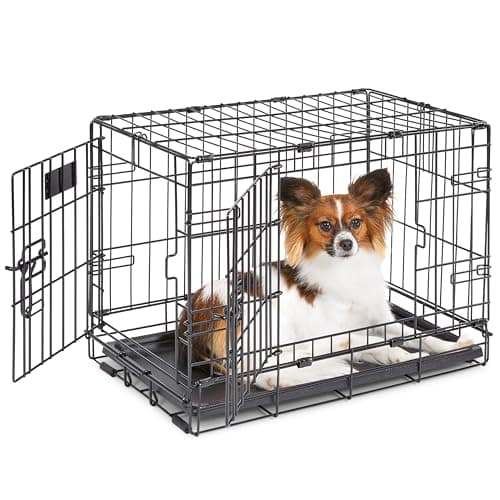
What is What to Look for in a Dog Crate? A Complete 2026 Guide
If you’re trying to figure out what to look for in a dog crate , the biggest challenge is avoiding a purchase that’s too small, too flimsy, or simply wrong for your dog’s routine. The right crate should support safety, comfort, house training, and daily convenience without turning into a stress poin
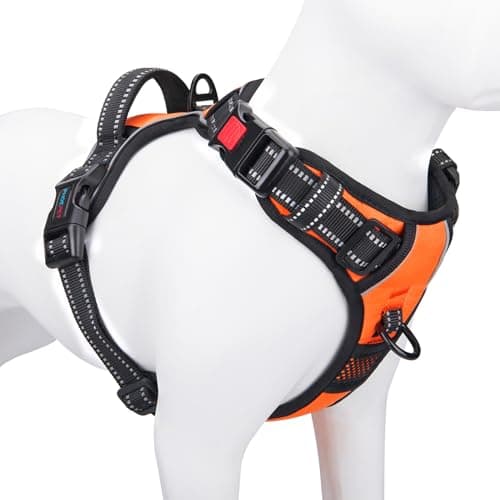
Are No Pull Harnesses Worth It Review (2026): Specs, Pros & Cons, and Who It's For
If your dog turns every walk into a tug-of-war, you’re probably asking the right question: are no pull harnesses worth it? The short answer is yes for many leash-pulling dogs, but only if you choose a well-fitting design and use it correctly. Based on manufacturer specs, published expert guidance, a