


Scout's Take
5 picks worth buying
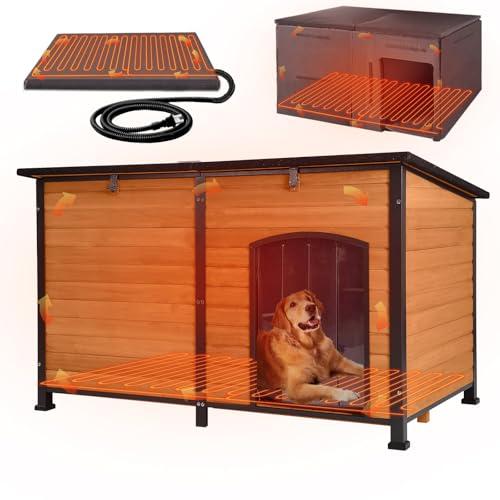
GUTINNEEN Extra Large Heated Dog House Outdoor Insulated Dog House Weatherproof Dog Shelter with Heated Pad, Insulated All-Round Thermal Liner, Chew-Proof Design for Large Dogs (Winter-Ready)
The strongest choice for severe cold because it combines heat, insulation, and safety-focused design.
- Heated pad with thermostat control
- Full insulation and safety features
- Overkill for mild climates
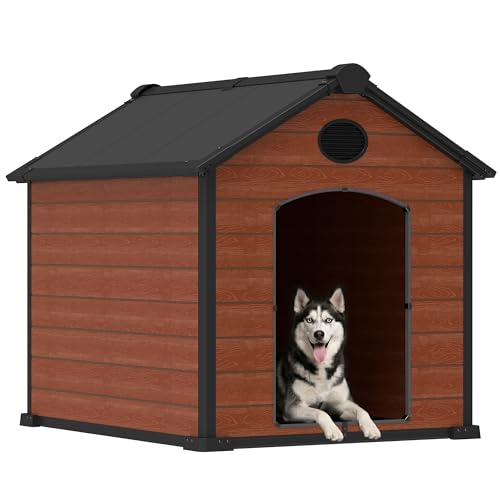
XL Dog House for Large Dogs Outside, Extra Large Outdoor Dog House | Elevated Weatherproof Resin Shelter with Thick Walls, UV-Resistant All-Season Protection for Large Breeds
The best overall balance of durability, airflow, and all-season protection for large dogs.
- Weatherproof resin with elevated floor
- Thick-wall build and vents
- Assembly takes time
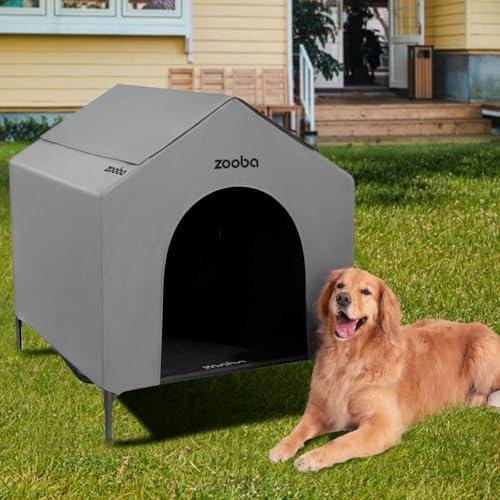
Zooba 42” Outdoor Dog House for Large Breeds, Durable Large Dog Shelter with Weatherproof 600D PVC Canopy, Breathable 2x1 Textilene Fabric Elevated Dog Bed, XL Dog Kennel for Outside Use
A flexible pick for mixed climates where airflow and easy setup matter more than deep insulation.
- Breathable hybrid shelter design
- Tool-free setup and convertible use
- Less insulated than enclosed models
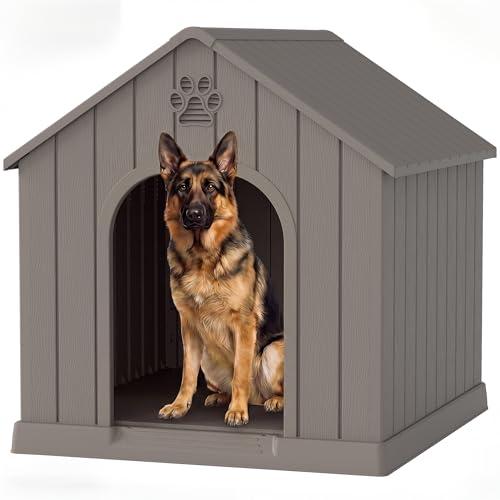
Fancyango Large Dog House for Medium to Large Dogs – Sturdy Waterproof Doghouse for Indoor/Outdoor Use with Air Vents and Elevated Floor Easy to Clean and Assemble (Classic Grey, 36.2"L × 38"W × 38"H)
A practical budget shelter that covers the basics well for moderate weather exposure.
- Waterproof and easy to clean
- Elevated floor and vents
- Limited insulation
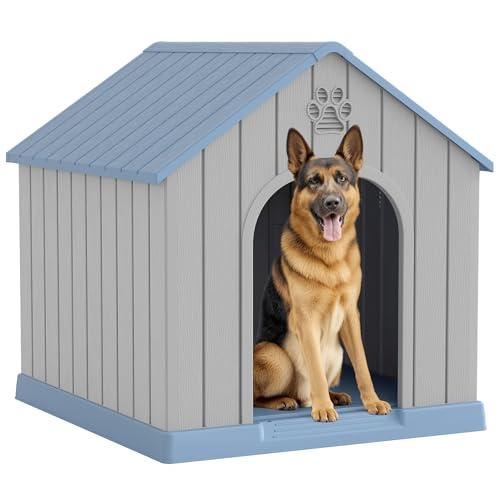
Fancyango Large Dog House Outdoor Indoor for Medium Large Dogs, Sturdy Plastic Waterproof Doghouse with Air Vents and Elevated Floor, Easy Clean and Assemble (Blue, 36.2''L×38''W×38''H)
A solid budget alternative if you want the same practical feature set in a different color.
- Same core weatherproof features
- Simple setup and maintenance
- Not ideal for freezing temperatures
Who this is for: Best for dog owners who need a weatherproof shelter that matches their climate, breed size, and winter or storm exposure.
How to Choose the Best Outdoor Dog House in 2026: Complete Buying Guide
If you’re trying to figure out how to choose an outdoor dog house for extreme weather, the stakes are higher than a simple backyard purchase. A poor choice can leave your dog damp, overheated, chilled, or cramped when the weather turns rough. The good news: the right shelter comes down to a few practical features that are easy to compare once you know what matters most.
The most common mistake buyers make is choosing by appearance or size alone, then discovering the house doesn’t actually manage wind, moisture, insulation, or airflow well enough for their climate. This guide breaks down the features that matter most, the red flags to avoid, and the best research-backed options from our product list for different weather and budget needs.
Key Features to Look For
1) Weatherproof Construction
For extreme weather, the shell of the dog house matters first. Look for waterproof or weatherproof materials that can handle rain, snow, sun, and wet ground without soaking through or breaking down quickly. In owner feedback, the most reliable shelters are the ones that keep the interior dry even after repeated storms.
2) Elevated Floor Design
An elevated floor helps keep your dog off cold, wet, or muddy ground. That matters in both winter and rainy seasons because moisture can creep up from below even if the roof is solid. Raised flooring also improves airflow underneath the house, which helps reduce dampness and odor.
3) Ventilation and Airflow
Good ventilation is essential in hot weather and still useful in winter. Vents, breathable panels, or open-air designs help reduce stuffiness, humidity, and heat buildup. Without airflow, an enclosed shelter can trap moisture or become uncomfortable on warmer days.
4) Insulation or Thermal Protection
If your dog house will face freezing temperatures, look for insulation, thermal liners, or thick wall construction. Insulation helps the shelter hold warmth and block cold air, which is especially important for dogs spending extended time outdoors. In milder climates, you may not need a heated model, but thermal protection still improves comfort.
5) Wind Resistance and Anchoring
Strong winds can shift lightweight shelters or push rain into openings. Features like ground stakes, heavier frames, reinforced panels, or secure connectors help the house stay put. This is especially important if your yard is exposed or you live in a storm-prone area.
6) Size That Fits Without Being Too Large
Your dog should be able to stand, turn around, and lie down comfortably, but oversized spaces can be harder to keep warm in winter. A shelter that’s too roomy may feel drafty in cold weather, while one that’s too small can trap heat and feel cramped. Measure your dog carefully and aim for a balanced fit.
7) Easy Cleaning and Maintenance
Extreme weather shelters need regular cleaning to prevent mold, odor, and buildup from mud or fur. Smooth surfaces, simple assembly, and wipe-clean materials make upkeep much easier. That matters because a dog house only works well over time if it stays dry and sanitary.
What to Avoid
When shopping for a shelter for harsh weather, avoid the most common failure points:
- Thin, flimsy materials that can crack, warp, or leak after repeated exposure.
- No floor elevation, which leaves your dog vulnerable to puddles, snowmelt, and ground chill.
- Overly enclosed designs with no airflow, which can trap heat in summer and moisture year-round.
- Oversized interiors for cold climates, since big empty spaces are harder to keep warm.
- Complicated assembly if you need a fast setup or plan to move the shelter seasonally.
- No anchoring or weight stability, especially if your area gets strong winds.
- “All-weather” claims without material details; look for specifics like waterproof resin, insulated panels, or reinforced frames.
Another pitfall is assuming a shelter alone solves extreme weather. In very cold or very hot conditions, placement matters too: keep the house out of direct wind, avoid low-lying flood-prone spots, and position the entry away from prevailing weather when possible.
Our Top Picks
Below are the best research-based picks from the product list, selected from manufacturer specs, published product details, and verified owner feedback patterns. Each one fits a different use case for outdoor dogs in tough weather.
1) GUTINNEEN Extra Large Heated Dog House Outdoor Insulated Dog House Weatherproof Dog Shelter with Heated Pad, Insulated All-Round Thermal Liner, Chew-Proof Design for Large Dogs (Winter-Ready)


This is the strongest option for buyers facing serious winter conditions. The built-in heated pad, thermostat control, overheat protection, and full-wall insulation make it the most complete cold-weather shelter in this roundup. It’s especially well suited for large breeds that need a warmer, more protected outdoor refuge.
- ✓ Automatic thermostat heater maintains a steady temperature range
- ✓ Full insulation in the walls, floor, and roof helps block cold air
- ✓ Chew-resistant cord and overheat protection improve safety
- ✓ Reinforced structure is built for long-term outdoor durability
- ✗ More specialized than basic shelters if you don’t need heating
- ✗ Best suited to colder climates, so it may be more than some buyers need
2) XL Dog House for Large Dogs Outside, Extra Large Outdoor Dog House | Elevated Weatherproof Resin Shelter with Thick Walls, UV-Resistant All-Season Protection for Large Breeds


If you want a durable all-season shelter without moving into a heated setup, this is a strong premium pick. The elevated floor, waterproof resin, thick walls, and built-in ventilation make it a practical choice for larger dogs that need protection from rain, mud, humidity, and sun.
- ✓ Waterproof resin construction with an elevated floor
- ✓ Built-in vents support airflow in hot or humid weather
- ✓ Thick-wall design adds stability and durability
- ✓ Oversized interior is designed for large and giant breeds
- ✗ Requires more assembly time than simpler shelters
- ✗ Better for weather protection than active heating needs
3) Zooba 42” Outdoor Dog House for Large Breeds, Durable Large Dog Shelter with Weatherproof 600D PVC Canopy, Breathable 2x1 Textilene Fabric Elevated Dog Bed, XL Dog Kennel for Outside Use


This is the most versatile pick for buyers who want a weather-resistant shelter that also feels airy and adaptable. Its elevated, breathable design makes it a smart option for dogs that need shade, airflow, and a secure resting space in varied conditions. It’s especially appealing if you want a shelter that can function more like a hybrid between a dog house and an elevated outdoor bed.
- ✓ Weatherproof canopy and breathable fabric help in mixed weather
- ✓ Tool-free assembly is convenient for quick setup
- ✓ Reinforced steel structure adds support for larger dogs
- ✓ Can convert into an elevated bed for easier maintenance
- ✗ Less insulated than fully enclosed winter shelters
- ✗ Best for moderate to variable climates rather than severe cold
4) Fancyango Large Dog House for Medium to Large Dogs – Sturdy Waterproof Doghouse for Indoor/Outdoor Use with Air Vents and Elevated Floor Easy to Clean and Assemble (Classic Grey, 36.2"L × 38"W × 38"H)

This is the best budget-friendly all-around choice for shoppers who need a simple weatherproof shelter with practical features. Its waterproof build, elevated floor, and air vents make it a solid fit for moderate outdoor exposure, especially when you want easy cleaning and fast assembly without overcomplicating the purchase.
- ✓ Waterproof PP construction for rain, sun, and snow
- ✓ Elevated floor and vents support airflow and moisture control
- ✓ Easy to assemble and wipe clean
- ✓ Ground nails help improve stability in windy conditions
- ✗ Not as insulated as premium winter-ready shelters
- ✗ Better for moderate cold than severe freezing weather
5) Fancyango Large Dog House Outdoor Indoor for Medium Large Dogs, Sturdy Plastic Waterproof Doghouse with Air Vents and Elevated Floor, Easy Clean and Assemble (Blue, 36.2''L×38''W×38''H)


This is a near-match to the grey Fancyango model and makes sense if you want the same practical feature set with a different color option. It’s a straightforward pick for buyers focused on value, easy upkeep, and basic weather protection rather than heavy insulation.
- ✓ Waterproof plastic construction with air vents
- ✓ Elevated floor helps reduce ground moisture issues
- ✓ Quick assembly and simple cleaning
- ✓ Ground nails improve stability outdoors
- ✗ Limited cold-weather insulation
- ✗ More of a practical shelter than a deep-winter solution
Budget Guide: What You Get at Each Tier
Budget
Budget dog houses usually focus on the essentials: waterproof or weather-resistant materials, a raised floor, and a simple shape that’s easy to clean. This tier is best if you need basic protection from rain and light wind, not full winter insulation. You’ll often get faster assembly and a lighter structure, but less thermal control in severe cold.
Mid-Range
Mid-range models typically improve on airflow, structure, and overall durability. You’re more likely to see reinforced frames, stronger weatherproof fabrics or resin, and better size options for larger breeds. This tier is a good fit for buyers in mixed climates who want a more versatile shelter without moving into specialized heated systems.
Premium
Premium dog houses are where you’ll usually find the strongest extreme-weather protection. That can include full insulation, heated pads, chew-resistant safety features, heavy-duty wall construction, and larger footprints for big dogs. If your climate includes freezing winters, heavy storms, or prolonged exposure, premium is often the safest long-term choice.
Frequently Asked Questions
What is the best material for an outdoor dog house in extreme weather?
For harsh weather, look for waterproof resin, insulated composite panels, or heavy-duty weatherproof fabric with a reinforced frame. The best material depends on your climate, but the key is resistance to moisture, wind, and temperature swings.
Should an outdoor dog house have an elevated floor?
Yes. An elevated floor helps keep your dog away from cold ground, standing water, mud, and snowmelt. It also improves airflow, which can reduce dampness and odor.
Do dogs need insulation in an outdoor dog house?
If your area gets cold, insulation is strongly recommended. It helps retain warmth and block drafts. In mild climates, ventilation and weatherproofing may matter more than heavy insulation.
How big should an outdoor dog house be?
It should be large enough for your dog to stand, turn around, and lie down comfortably, but not so large that it becomes hard to keep warm. For cold climates, a snugger fit is often better than an oversized shelter.
Is a heated dog house safe for outdoor use?
It can be, as long as it includes safety features like thermostat control, overheat protection, and a chew-resistant cord. Always follow the manufacturer’s setup instructions and place it where cords and moisture are managed carefully.
Frequently asked questions
What is the best material for an outdoor dog house in extreme weather?
For harsh weather, look for waterproof resin, insulated composite panels, or heavy-duty weatherproof fabric with a reinforced frame. The best material depends on your climate, but the key is resistance to moisture, wind, and temperature swings.
Should an outdoor dog house have an elevated floor?
Yes. An elevated floor helps keep your dog away from cold ground, standing water, mud, and snowmelt. It also improves airflow, which can reduce dampness and odor.
Do dogs need insulation in an outdoor dog house?
If your area gets cold, insulation is strongly recommended. It helps retain warmth and block drafts. In mild climates, ventilation and weatherproofing may matter more than heavy insulation.
How big should an outdoor dog house be?
It should be large enough for your dog to stand, turn around, and lie down comfortably, but not so large that it becomes hard to keep warm. For cold climates, a snugger fit is often better than an oversized shelter.
Is a heated dog house safe for outdoor use?
It can be, as long as it includes safety features like thermostat control, overheat protection, and a chew-resistant cord. Always follow the manufacturer’s setup instructions and place it where cords and moisture are managed carefully.

How Scout Picks
Specs & standards
We start from manufacturer specs and category standards.
Expert tests
We weigh independent expert and lab test results.
Verified owner reviews
We read patterns across thousands of real owners.
Scout is our illustrated guide — we research from specs, independent expert tests, and thousands of verified owner reviews. We don't lab-test products ourselves.
How we pick →Get the Full Pet Gear Buyer's Guide
Join our free newsletter — we'll send our latest Pet Gear picks, specs and verdicts straight to your inbox.
Free. No spam. Unsubscribe anytime.
Was this review helpful?
Be the first to share your feedback on this review.
Sign in to vote and let us know what you think.
Discussion (0)
No comments yet. Be the first to start the discussion.
Related Reviews

How to Choose the Best Dog Ramp for Senior Dogs with Arthritis in 2026: Complete Buying Guide
If your senior dog has arthritis, every jump onto the couch, bed, or into the car can mean extra strain on sore joints. The right ramp can make daily movement gentler, safer, and less stressful for both of you. The biggest mistake buyers make is choosing a ramp that looks sturdy but is too steep, to

Gunner G1 Intermediate Review (2026): Specs, Pros & Cons, and Who It's For
Check Price on Amazon →

8 Best Heavy-Duty Dog Boots for Hiking in 2026 — Tough Traction, Secure Fit, Trail-Ready Protection
If your dog slips on rocky trails, gets sore paws on hot pavement, or keeps kicking boots off mid-hike, you need footwear built for real outdoor abuse. The best heavy-duty dog boots for hiking should combine durable soles, secure closures, and enough flexibility for natural movement on rough ground.