

Scout's Take
3 picks worth buying
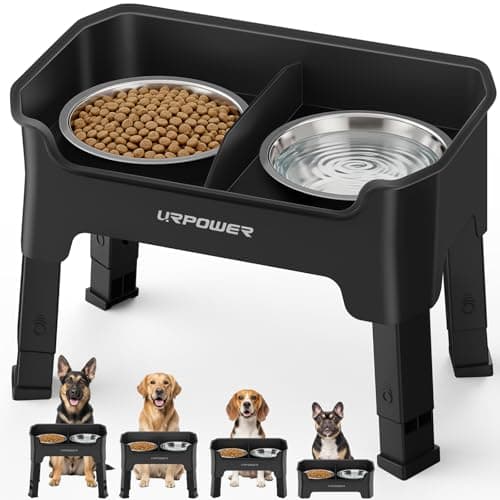
URPOWER Mess Proof Elevated Dog Bowls, Splash Guard Raised Bowl Stand
The most versatile all-around pick for dogs that need a cleaner, adjustable feeding station.
- 4 adjustable heights
- 44 oz stainless steel bowls
- Splash guard reduces mess
- Costs more than a basic bowl
- Best for dogs that benefit from a raised setup
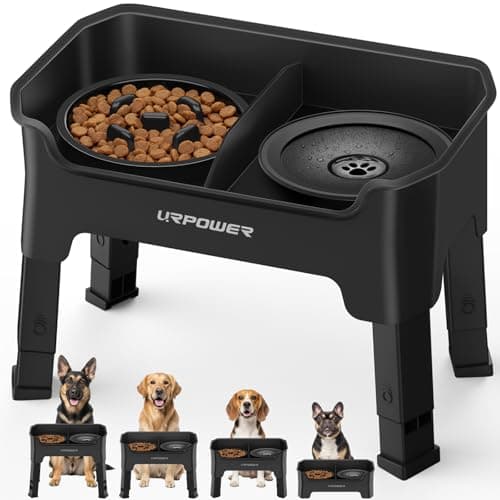
URPOWER Mess Proof Elevated Dog Bowls 4 Height Adjustable Raised Stand
A smart choice for dogs that drink too fast or need slower, cleaner mealtimes.
- 64 oz spill-proof water bowl
- 41 oz slow feeder bowl
- Raised stand with splash guard
- More parts to manage
- Floating disk isn’t dishwasher-safe
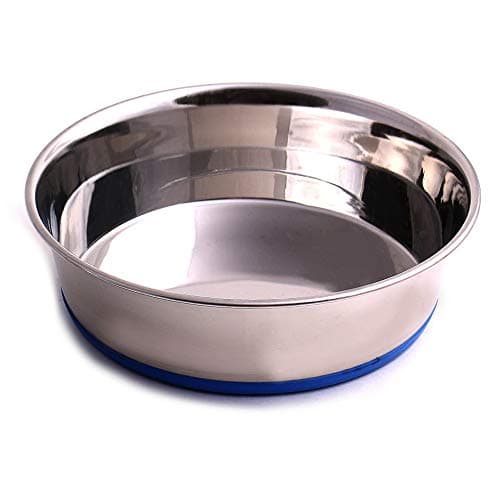
Max and Neo Heavyweight Non-Skid Rubber Bottom Stainless Steel Dog Bowl - We Donate a Bowl to a Dog Rescue For Every Bowl Sold (Medium - 50oz - 8" Diameter)
A simple, durable value pick for owners who just need the right size and stable everyday use.
- Low price
- Heavy stainless steel build
- Full non-skid rubber bottom
- No height adjustment
- No spill-control features
Who this is for: Best for dog owners who need to match bowl size to meal volume, reduce mess, and choose the right feeding setup.
How to Choose the Best Dog Bowl Size in 2026: Complete Buying Guide
Choosing the right bowl size matters more than many dog owners realize: too small, and your dog may spill food, crowd the bowl, or get frustrated; too large, and portions can be harder to control. If you’re trying to figure out how to choose a dog bowl size, the most common mistake is buying by breed label alone instead of matching the bowl to your dog’s actual meal volume, muzzle shape, and feeding style. This guide breaks down the features that matter, the red flags to avoid, and the best product options for different needs so you can pick once and pick well.
Key Features to Look For
1) Capacity in ounces or cups
The first thing to check is how much food or water the bowl actually holds. A bowl that’s too shallow may overflow during mealtime, while one that’s oversized can make portions look smaller than they are. For dry food, look for a bowl that comfortably holds your dog’s normal meal with a little extra room on top.
2) Bowl diameter and width
Diameter matters just as much as capacity. Dogs with wider snouts or flatter faces often need a broader opening to eat comfortably, while narrow bowls can make it hard to reach every kibble. A wider bowl also helps reduce crowding and can be easier to clean.
3) Depth and side height
Deeper bowls help contain food, but if the sides are too high, small dogs may struggle to reach the bottom. Shallow bowls are easier for short-snouted or smaller dogs, while deeper designs can work well for larger dogs that eat bigger portions.
4) Material and weight
Stainless steel is usually the safest, easiest-to-clean choice and is less likely to retain odors. Heavier bowls are harder to tip, which matters for enthusiastic eaters. Lightweight plastic may be convenient, but it can slide, scratch, and wear out faster.
5) Non-skid or anti-flip design
If your dog pushes the bowl around, a rubber base or weighted construction can make a huge difference. This is especially useful on hardwood, tile, or apartment floors where noise and mess are a concern. A stable bowl also helps keep portions where they belong.
6) Raised or adjustable height
Elevated bowls can improve comfort for some dogs, especially larger breeds, seniors, or dogs with limited mobility. Adjustable-height options are helpful if you’re still deciding on the right size because they can adapt as your dog grows. Just make sure the bowl height fits your dog’s chest and feeding posture.
7) Easy cleaning and dishwasher safety
A bowl that’s easy to wash is more likely to stay sanitary. Dishwasher-safe stainless steel is a strong choice for everyday feeding, especially if your dog eats wet food or has a sensitive stomach. If a bowl has extra parts like splash guards or floating disks, check whether those pieces are dishwasher-safe too.
What to Avoid
Buying by breed alone
A “large breed” label does not automatically mean your dog needs a huge bowl. Two dogs of the same breed can eat very different amounts depending on age, activity level, and diet. Always compare the bowl’s actual size to your dog’s meal portion.
Choosing a bowl that’s too shallow for messy eaters
Very shallow bowls can be fine for some dogs, but they’re a poor match for dogs that scoop food aggressively or splash water. If your dog tends to fling kibble or slosh water, look for a deeper or mess-proof design.
Ignoring bowl stability
A bowl that slides across the floor can create spills, stress, and bad feeding habits. This is especially common with lightweight plastic bowls. If your dog is a pusher, a weighted stainless steel bowl or non-skid base is a better bet.
Overlooking muzzle shape
Brachycephalic dogs, like pugs and bulldogs, often need bowls with a wider opening and easier access. Long-snouted dogs may do better with a deeper bowl. Matching the shape of the bowl to your dog’s face can improve comfort and reduce waste.
Choosing a bowl that’s hard to clean
Scratched plastic, narrow corners, and complex attachments can trap residue and odors. If you feed wet food or use a water bowl daily, easy cleaning should be a top priority. Sanitation is part of sizing too, because a bowl that’s awkward to clean often gets replaced too soon.
Our Top Picks
1) URPOWER Mess Proof Elevated Dog Bowls, Splash Guard Raised Bowl Stand ✓ Prime $32.99


This is a strong pick if you’re trying to size a bowl for a messy eater, a larger dog, or a home where floor cleanup is a constant issue. The 4-level adjustable height, 44 oz stainless steel bowls, and splash guard design make it especially useful for dogs that eat fast, splash water, or tend to kick kibble around.
Best for: pet parents who want one feeding setup that can grow with a dog and reduce mess at the same time.
- ✓ 4 adjustable heights for different dog sizes and life stages
- ✓ 44 oz stainless steel bowls are roomy and dishwasher-safe
- ✓ 360° splash guard helps contain water spray and flying kibble
- ✓ Elevated design can improve feeding comfort for larger dogs
- ✗ More expensive than a basic bowl
- ✗ Best suited to dogs that benefit from a raised setup, not every small breed
2) URPOWER Mess Proof Elevated Dog Bowls 4 Height Adjustable Raised Stand ✓ Prime 11% OFF — Was $35.99 $31.99


If you want a more feature-packed feeding station, this version adds a 64 oz spill-proof water bowl and a 41 oz slow-feeder bowl alongside the raised, mess-proof stand. It’s a smart fit for dogs that drink too fast, inhale food, or create a lot of splash around the bowl area.
Best for: households that need better portion control, slower eating, and cleaner water access in one setup.
- ✓ 64 oz water bowl is generous for larger dogs
- ✓ Floating disk helps slow drinking and reduce splashes
- ✓ 41 oz slow feeder supports slower mealtimes
- ✓ Splash guard and food-water separation help keep the area cleaner
- ✗ Floating disk is not recommended for dishwasher cleaning
- ✗ More complex than a standard bowl if you only need a basic size
3) Max and Neo Heavyweight Non-Skid Rubber Bottom Stainless Steel Dog Bowl - We Donate a Bowl to a Dog Rescue For Every Bowl Sold (Medium - 50oz - 8" Diameter) ✓ Prime $14.99


This is the simplest “get the right size and move on” option for many medium dogs. The 50 oz capacity and 8-inch diameter make it a practical middle-ground bowl, while the heavy stainless steel construction and full rubber bottom help keep it steady during meals.
Best for: owners who want a durable, no-fuss bowl size for everyday feeding without paying for extra features.
- ✓ 50 oz capacity suits many medium-size meals
- ✓ Heavy stainless steel construction resists tipping
- ✓ Full non-skid rubber bottom helps prevent sliding
- ✓ Independently lab tested and free of heavy metals
- ✗ Not adjustable if your dog’s needs change
- ✗ No raised stand or splash control
Budget Guide: What You Get at Each Price Point
Under $15
At this level, you’re usually looking at a basic stainless steel bowl with a non-skid base or a simple medium-capacity design. This is the best value if you already know your dog’s ideal bowl size and just need something durable and easy to clean. The Max and Neo bowl is a good example of this tier: straightforward, sturdy, and practical.
$15 to $30
This range is where you start getting better materials, larger capacities, and more stability features. You may see heavier bowls, wider diameters, or better anti-slip construction. For many owners, this is the sweet spot for matching bowl size to a dog’s real feeding needs without paying for a full feeding station.
$30 to $40
In this range, you’re typically paying for convenience features like adjustable height, splash guards, slow feeders, and combined food-and-water setups. These bowls are especially useful if your dog is messy, eats too fast, or needs a more ergonomic feeding position. The URPOWER elevated options fit here well.
When it makes sense to spend more
Spend more if your dog spills often, eats too fast, has mobility issues, or needs a bowl that can adapt as they grow. Adjustable and mess-proof designs can save time and reduce waste, which often makes them worth the extra cost over a plain bowl.
Frequently Asked Questions
How do I know what size dog bowl to buy?
Start with your dog’s normal meal portion in cups or ounces, then choose a bowl that gives that portion enough room without overflowing. Also consider your dog’s muzzle shape, whether they eat fast, and whether they need a shallow, deep, or elevated bowl.
Is a bigger dog bowl better?
Not always. A larger bowl can be helpful for water or big meals, but it may make portions harder to manage and can be awkward for smaller dogs. The best bowl is the one that matches your dog’s actual feeding volume and eating style.
Should dog bowls be raised?
Raised bowls can be useful for larger dogs, seniors, or dogs with mobility issues, but they’re not necessary for every dog. If you’re unsure, an adjustable-height option can be a flexible way to test what works best.
What size bowl is best for a medium dog?
Many medium dogs do well with bowls around 40 to 50 oz, but the right choice depends on how much they eat and whether the bowl is for food or water. A medium dog that drinks heavily may need a larger water bowl than food bowl.
What material is best for a dog bowl?
Stainless steel is usually the best all-around choice because it’s durable, easy to clean, and less likely to hold odors. If your dog pushes bowls around, look for stainless steel with a non-skid base or a heavier build.
Frequently asked questions
How do I know what size dog bowl to buy?
Start with your dog’s normal meal portion in cups or ounces, then choose a bowl that gives that portion enough room without overflowing. Also consider your dog’s muzzle shape, whether they eat fast, and whether they need a shallow, deep, or elevated bowl.
Is a bigger dog bowl better?
Not always. A larger bowl can be helpful for water or big meals, but it may make portions harder to manage and can be awkward for smaller dogs. The best bowl is the one that matches your dog’s actual feeding volume and eating style.
Should dog bowls be raised?
Raised bowls can be useful for larger dogs, seniors, or dogs with mobility issues, but they’re not necessary for every dog. If you’re unsure, an adjustable-height option can be a flexible way to test what works best.
What size bowl is best for a medium dog?
Many medium dogs do well with bowls around 40 to 50 oz, but the right choice depends on how much they eat and whether the bowl is for food or water. A medium dog that drinks heavily may need a larger water bowl than food bowl.
What material is best for a dog bowl?
Stainless steel is usually the best all-around choice because it’s durable, easy to clean, and less likely to hold odors. If your dog pushes bowls around, look for stainless steel with a non-skid base or a heavier build.

How Scout Picks
Specs & standards
We start from manufacturer specs and category standards.
Expert tests
We weigh independent expert and lab test results.
Verified owner reviews
We read patterns across thousands of real owners.
Scout is our illustrated guide — we research from specs, independent expert tests, and thousands of verified owner reviews. We don't lab-test products ourselves.
How we pick →Get the Full Pet Gear Buyer's Guide
Join our free newsletter — we'll send our latest Pet Gear picks, specs and verdicts straight to your inbox.
Free. No spam. Unsubscribe anytime.
Was this review helpful?
Be the first to share your feedback on this review.
Sign in to vote and let us know what you think.
Discussion (0)
No comments yet. Be the first to start the discussion.
Related Reviews
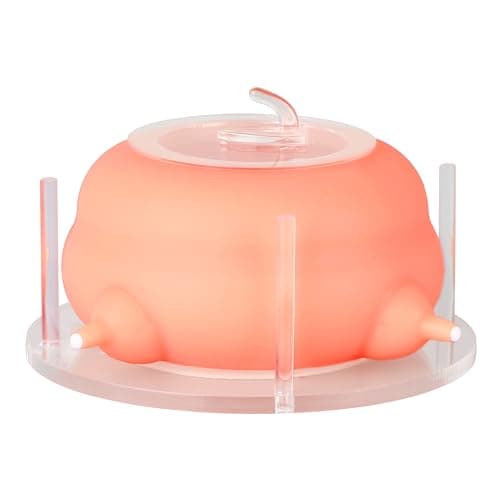
What is a New Puppy Feeding Gear Checklist? A Complete 2026 Guide
A new puppy feeding gear checklist helps you gather the right tools before your puppy comes home, so feeding is safer, cleaner, and less stressful from day one. If you’re worried about choosing the wrong bottle, making a mess, or not having enough gear for a tiny newborn, a checklist keeps the essen
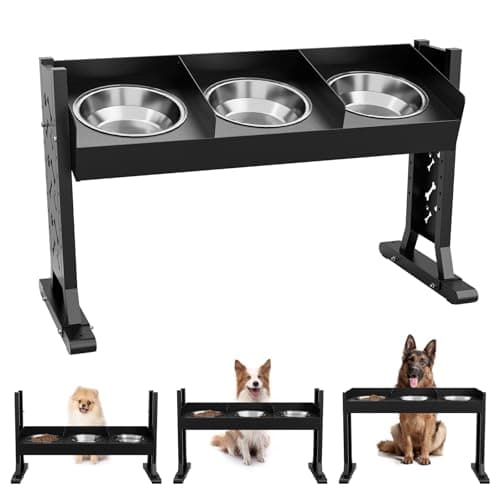
What is an Elevated Feeder Height Guide? A Complete 2026 Guide
If you’re trying to figure out how high a dog bowl should be, you’re not alone—too-low feeding can mean neck strain, spills, messy floors, and awkward mealtimes. An elevated feeder height guide helps you match bowl height to your dog’s size, posture, and feeding needs so meals are more comfortable a
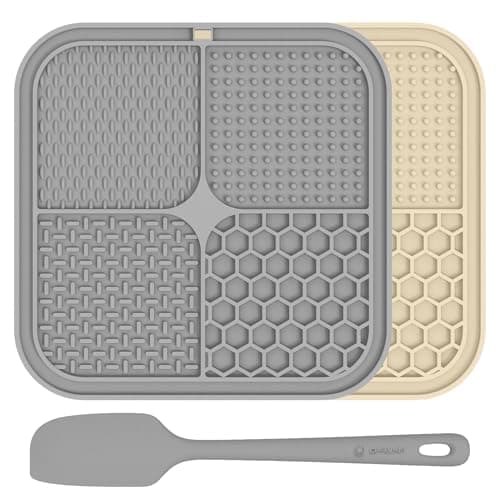
ChefAide 2 Pack Lick Mat for Dogs, Cats & Puppies with Suction Cups Review (2026): Specs, Pros & Cons, and Who It's For
If you're asking is a lick mat worth it , the short answer is: often yes, if you need a low-cost way to slow eating, reduce boredom, or keep a pet occupied during grooming or stressful moments. The catch is that not every lick mat stays put, cleans easily, or works well for every pet, so the det