

Scout's Take
The pick worth buying
PEGGY11 Nonslip Stainless Steel Dog Cat Bowls, 2 US Cup Each, 2 Pack
It offers the best mix of hygiene, stability, and value for most pets.
- Stainless steel is easier to clean
- More durable for daily use
- Better long-term value
- Nonslip designs improve stability
- Plastic is the cheapest upfront
- Plastic scratches and holds odors
- Some metal bowls need nonslip bases
- Plastic may wear out faster
Who this is for: Best for pet owners who want the safest, easiest-to-clean everyday bowl and are choosing between low-cost plastic and durable stainless steel.
Plastic vs Stainless Steel Pet Bowls (2026): Which Should You Actually Buy?
At a Glance
| Category | Plastic Pet Bowls | Stainless Steel Pet Bowls | Winner |
|---|---|---|---|
| Typical price | Usually cheapest upfront | Still affordable; often a little higher | Plastic |
| Cleaning | Can stain, scratch, and hold odors over time | Smooth, nonporous, and usually dishwasher safe | Stainless steel |
| Durability | More prone to wear, scratches, and chewing damage | Resists daily use better and tends to last longer | Stainless steel |
| Stability | Lightweight, but can slide easily | Often paired with nonslip bases and wider shapes | Stainless steel |
| Best for | Temporary use, backup bowls, tight budgets | Daily feeding, water bowls, multi-pet homes | Stainless steel |
Design
Plastic Pet Bowls Win on Lightweight Simplicity
Plastic bowls are usually the easiest to move around, and that can matter if you travel often, need a backup bowl, or want something very inexpensive for occasional use. Their main appeal is straightforward: they’re light, familiar, and cheap to replace.
Stainless Steel Pet Bowls Win on Practical Everyday Design
Stainless steel bowls tend to be more thoughtfully built for daily feeding. The PEGGY11 Nonslip Stainless Steel Dog Cat Bowls, 2 US Cup Each, 2 Pack shows the typical strengths of the category: a simple shape, a wide base, and a silicone nonslip bottom to help reduce sliding and noise on smooth floors.
Winner: Stainless steel pet bowls
They’re usually better engineered for everyday feeding and less likely to become annoying to clean, replace, or stabilize.
Performance
Plastic Bowls Are Fine for Basic Use
For a pet that eats calmly and doesn’t push the bowl around, plastic can get the job done. But owner feedback across the category often points to the same drawbacks: scratches, odor retention, and a tendency to look worn faster than expected.
Stainless Steel Bowls Perform Better for Food and Water
Stainless steel is nonporous, which is a big deal for pet bowls. It’s easier to rinse clean, less likely to trap smells, and better suited to both food and water. The PEGGY11 bowl’s dishwasher-safe surface is a strong plus for anyone who wants low-fuss cleanup.
Winner: Stainless steel pet bowls
They’re the better-performing choice for hygiene, daily use, and long-term consistency.
Value
Plastic Wins the Budget Battle
If your only goal is the lowest possible upfront cost, plastic bowls usually win. They’re widely available and inexpensive, which makes them appealing as temporary bowls, travel spares, or emergency backups.
Stainless Steel Wins on Long-Term Value
Even when the purchase price is a little higher, stainless steel often delivers better value over time because it lasts longer and is less likely to need replacing due to scratching, staining, or odor buildup. The PEGGY11 Nonslip Stainless Steel Dog Cat Bowls, 2 US Cup Each, 2 Pack is also priced very competitively for a two-pack.
Winner: Stainless steel pet bowls
Plastic is cheaper today, but stainless steel usually costs less in the long run.
Durability
Plastic Is More Vulnerable to Wear
Plastic bowls can crack, warp, scratch, or become cloudy with regular use. Once the surface is damaged, cleanup gets harder and odors can linger. For pets that chew, drag, or paw at their bowls, plastic tends to show its age quickly.
Stainless Steel Is Built for Repeated Use
Stainless steel is the clear durability winner. It handles everyday feeding better, resists most wear, and keeps its shape over time. Verified owner reviews of stainless bowls commonly praise how long they last and how easy they are to keep looking clean.
Winner: Stainless steel pet bowls
If you want a bowl that holds up, stainless steel is the safer bet.
Plastic vs Stainless Steel Pet Bowls: Safety and Cleanliness
Plastic Can Be Fine, But It Needs More Attention
Plastic bowls are not automatically bad, but they do require more vigilance. Once scratched, they can become harder to sanitize thoroughly, and that’s why many pet owners replace them more often.
Stainless Steel Is the More Hygiene-Friendly Option
For most homes, stainless steel is the cleaner-feeling choice. It’s easy to rinse, less likely to retain food residue, and generally better suited to frequent washing. For pets with sensitive stomachs or owners who prioritize cleanliness, that matters.
Winner: Stainless steel pet bowls
They’re the more hygienic option for everyday feeding.
Plastic vs Stainless Steel Pet Bowls: Noise and Stability
Plastic Is Lighter, But Often Less Stable
Lightweight bowls can slide around, especially on tile, hardwood, or laminate flooring. That can be frustrating for both pets and people.
Stainless Steel Can Be Quieter and Steadier
While plain stainless bowls can still slide, models with nonslip bottoms do a better job of staying put. The PEGGY11 set specifically highlights a silicone nonslip base, which directly addresses one of the most common complaints about metal bowls.
Winner: Stainless steel pet bowls
With a nonslip design, they’re typically steadier and less annoying during mealtime.
Plastic vs Stainless Steel Pet Bowls: Which Is Better for Different Pets?
Plastic May Work for Short-Term or Low-Impact Use
If you have a very small pet, need a travel bowl, or just want a low-cost spare, plastic can be a workable option.
Stainless Steel Is Better for Most Dogs and Cats
For daily feeding, multiple pets, water stations, or homes that care about easy cleaning, stainless steel is the more dependable pick. It’s especially appealing if you want one bowl for food and another for water without worrying about wear.
Winner: Stainless steel pet bowls
It’s the more versatile choice for the widest range of pets and households.
Plastic Pet Bowls Is the Better Choice If…
- You need the lowest upfront price possible.
- You want a lightweight backup or travel bowl.
- Your pet is gentle and doesn’t scratch or chew bowls.
- You only need a temporary feeding solution.
Stainless Steel Pet Bowls Is the Better Choice If…
- You want the best long-term value.
- You care about easier cleaning and better hygiene.
- Your pet tends to slide, scratch, or chew at bowls.
- You want a durable everyday food or water bowl.
- You prefer a bowl that’s less likely to hold odors or stains.
Our Final Verdict
Stainless steel pet bowls are the better buy for most pet owners in 2026. Based on manufacturer specs, product design, and consistent owner feedback across the category, stainless steel comes out ahead on cleanliness, durability, and everyday usability. Plastic bowls still have a place if you want the cheapest possible option or a lightweight spare, but for most homes, stainless steel is the smarter default.
If you want a practical, budget-friendly stainless pick, the PEGGY11 Nonslip Stainless Steel Dog Cat Bowls, 2 US Cup Each, 2 Pack is the stronger overall choice. If you’re only looking for a low-cost temporary solution, a plastic option can still make sense—but it’s usually the lesser long-term buy.
Frequently Asked Questions
Are stainless steel pet bowls better than plastic?
Yes, for most pets. Stainless steel is usually easier to clean, more durable, and less likely to hold odors or stains than plastic.
Do plastic pet bowls cause acne in cats or dogs?
They can contribute to issues in some pets if the bowl gets scratched and holds bacteria. That’s one reason many owners switch to stainless steel.
Are stainless steel bowls safe for pets?
Generally, yes. Stainless steel is one of the most commonly recommended materials for pet bowls because it’s durable and nonporous.
Which is better for water: plastic or stainless steel?
Stainless steel is usually better for water because it’s easier to keep clean and less likely to develop lingering smells.
What should I buy if I want the cheapest pet bowl?
Plastic is usually the cheapest upfront. But if you want the better long-term buy, stainless steel is usually worth the small extra cost.
Frequently asked questions
Are stainless steel pet bowls better than plastic?
Yes, for most pets. Stainless steel is usually easier to clean, more durable, and less likely to hold odors or stains than plastic.
Do plastic pet bowls cause acne in cats or dogs?
They can contribute to issues in some pets if the bowl gets scratched and holds bacteria. That’s one reason many owners switch to stainless steel.
Are stainless steel bowls safe for pets?
Generally, yes. Stainless steel is one of the most commonly recommended materials for pet bowls because it’s durable and nonporous.
Which is better for water: plastic or stainless steel?
Stainless steel is usually better for water because it’s easier to keep clean and less likely to develop lingering smells.
What should I buy if I want the cheapest pet bowl?
Plastic is usually the cheapest upfront. But if you want the better long-term buy, stainless steel is usually worth the small extra cost.
Score breakdown
- value
- 8.0
- usability
- 9.0
- durability
- 9.0
- performance
- 9.0
- buyerFeedback
- 8.0

How Scout Picks
Specs & standards
We start from manufacturer specs and category standards.
Expert tests
We weigh independent expert and lab test results.
Verified owner reviews
We read patterns across thousands of real owners.
Scout is our illustrated guide — we research from specs, independent expert tests, and thousands of verified owner reviews. We don't lab-test products ourselves.
How we pick →Get the Full Pet Gear Buyer's Guide
Join our free newsletter — we'll send our latest Pet Gear picks, specs and verdicts straight to your inbox.
Free. No spam. Unsubscribe anytime.
Was this review helpful?
Be the first to share your feedback on this review.
Sign in to vote and let us know what you think.
Discussion (0)
No comments yet. Be the first to start the discussion.
Related Reviews
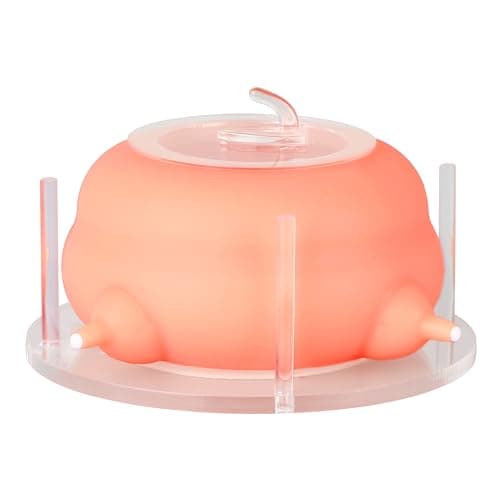
What is a New Puppy Feeding Gear Checklist? A Complete 2026 Guide
A new puppy feeding gear checklist helps you gather the right tools before your puppy comes home, so feeding is safer, cleaner, and less stressful from day one. If you’re worried about choosing the wrong bottle, making a mess, or not having enough gear for a tiny newborn, a checklist keeps the essen
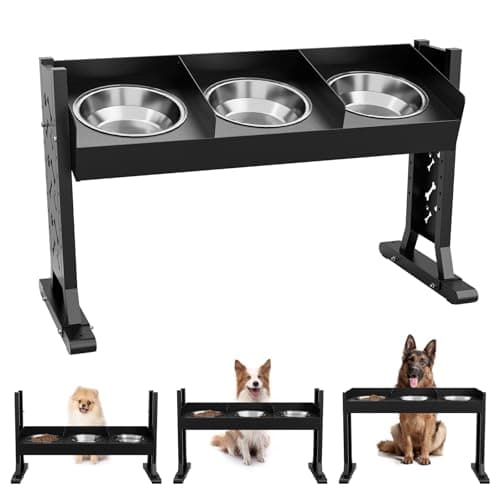
What is an Elevated Feeder Height Guide? A Complete 2026 Guide
If you’re trying to figure out how high a dog bowl should be, you’re not alone—too-low feeding can mean neck strain, spills, messy floors, and awkward mealtimes. An elevated feeder height guide helps you match bowl height to your dog’s size, posture, and feeding needs so meals are more comfortable a
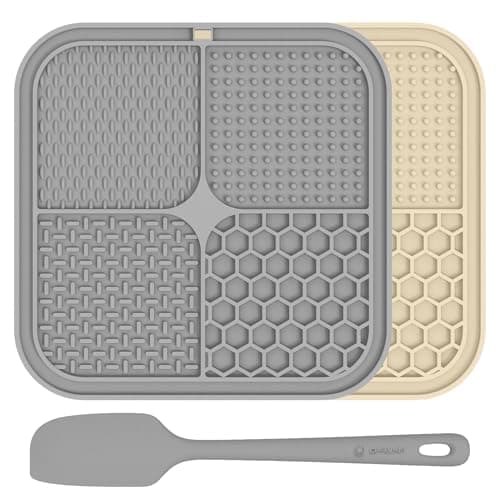
ChefAide 2 Pack Lick Mat for Dogs, Cats & Puppies with Suction Cups Review (2026): Specs, Pros & Cons, and Who It's For
If you're asking is a lick mat worth it , the short answer is: often yes, if you need a low-cost way to slow eating, reduce boredom, or keep a pet occupied during grooming or stressful moments. The catch is that not every lick mat stays put, cleans easily, or works well for every pet, so the det