

Scout's Take
3 picks worth buying
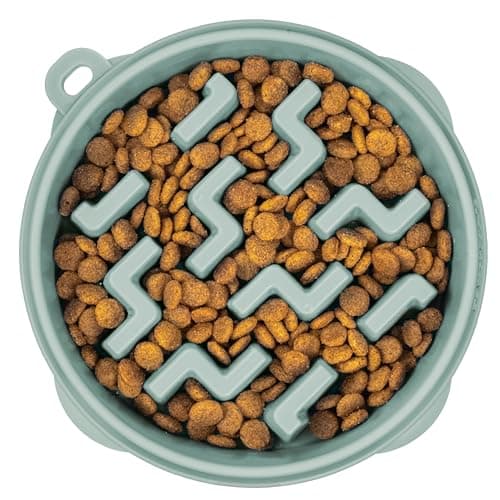
Outward Hound Fun Feeder Slo Bowl Dog Slow Feeder, Notch, Sage, 9.1"
The best all-around slow feeder for most small to medium dogs thanks to its proven maze design and low price.
- Slows eating up to 10X
- Dishwasher safe and non-slip
- Not ideal for very large meals
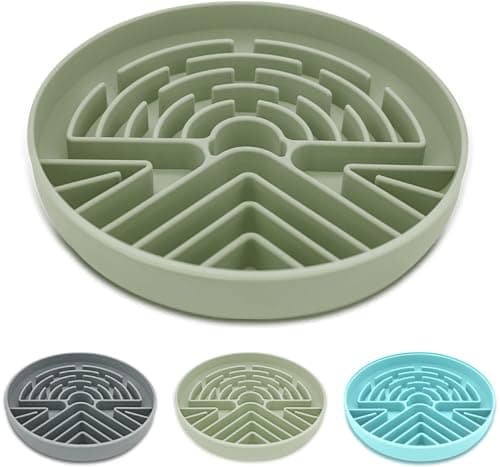
Lesipee Slow Feeder Dog Bowl for Large & Small Pets, Anti Choking Puzzle Dog Food Bowl with Non-Slip Base, Interactive Pet Slow Eating, Silicone Cat Feeder for Puppies & Cats(Grey Green)
A strong value pick if you want a flexible, easy-clean feeder with solid stability.
- Food-grade silicone
- Strong suction cups
- Soft build may not suit every owner
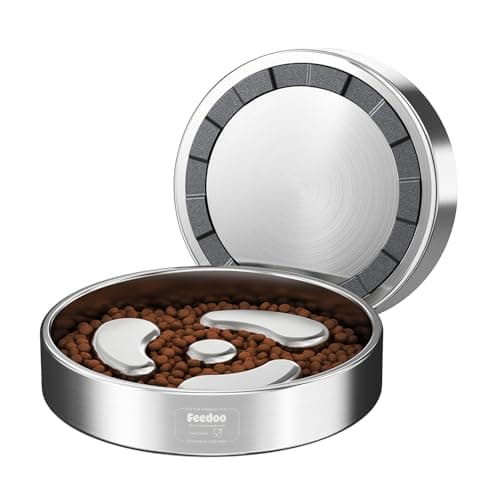
Feedoo Slow Feeder Dog Bowl-1Cup for Small Puppy, Double-Layer 304 Stainless Steel Puzzle Bowl, Anti-Choking for Fast Eaters, Heavy-Duty Non-Slip Base, Dishwasher Safe
The best choice for owners who want a tougher, longer-lasting slow feeder for a small dog or puppy.
- 304 stainless steel build
- Heavy, stable base
- Costs more than most options
Who this is for: Best for dog owners who need a practical, research-based guide to slow feeders that reduce fast eating and improve mealtime routine.
What is a Slow Feeder Buying Guide? A Complete 2026 Guide
If your dog inhales meals in seconds, you’re probably worried about choking, vomiting, bloat, or just constant mealtime mess. A slow feeder buying guide helps you sort through the different bowl shapes, materials, and sizes so you can choose a feeder that actually slows eating without frustrating your pet. In this research-based guide, we’ll explain how slow feeders work, what matters most when buying one, and which options stand out based on manufacturer specs, independent expert guidance, and verified owner feedback.
How It Works
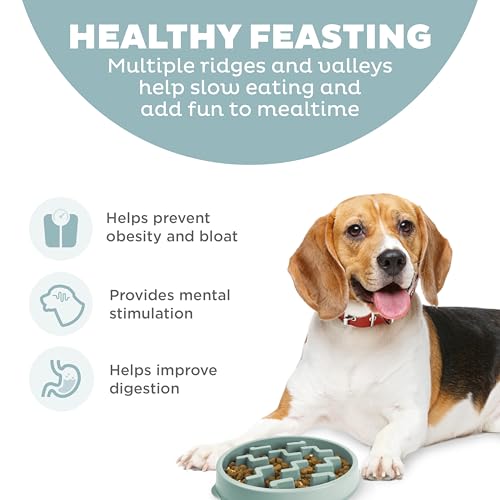
A slow feeder is designed with ridges, mazes, spirals, or raised patterns that force your pet to work around obstacles to reach food. Instead of scooping up a mouthful in one motion, your dog has to take smaller bites, which naturally stretches out mealtime. That slower pace can support better digestion, help reduce gulping, and make eating feel more engaging for pets that finish too quickly.
Different designs create different levels of challenge. Some are simple maze bowls for beginners, while others have deeper channels or more complex patterns for dogs that need stronger pacing. Material also matters: silicone can offer grip and flexibility, stainless steel adds durability, and non-slip bases help keep the feeder in place on slippery floors.
Key Benefits & Use Cases
Slow feeders are most often used for dogs that eat too fast, but they can help in a few other ways too. They may reduce the chance of regurgitation from gulping, make breakfast or dinner more mentally stimulating, and help turn a routine meal into a calmer activity. For some pets, they also reduce boredom because the feeding process takes longer and requires problem-solving.
Common use cases include:
- Fast eaters: Dogs that finish meals in under a minute and need pacing help.
- Dogs prone to gulping: Pets that swallow air while eating and may benefit from a slower rhythm.
- Puppies: Young dogs learning calmer mealtime habits.
- Enrichment feeding: Pets that enjoy puzzle-style feeding and mental stimulation.
- Multi-pet homes: Owners who want to slow one pet down without changing the whole feeding routine.
What to Look For When Buying
1. Size and capacity
Match the bowl to your dog’s normal meal size. A feeder that’s too small can overflow, while one that’s too large may not create enough challenge. Product capacity is especially important if you feed wet food, mixed meals, or larger kibble.
2. Pattern difficulty
Choose a maze or ridge depth that fits your dog’s eating speed. Beginners often do better with simpler patterns, while very fast eaters may need deeper channels or more complex layouts. A feeder that’s too hard can cause frustration instead of helping.
3. Material and safety
Look for food-safe materials such as BPA-free silicone or pet-safe stainless steel. Durable materials can be easier to clean and may hold up better to repeated use. If your dog chews bowls, sturdier construction is worth prioritizing.
4. Stability and non-slip design
A feeder that slides around can create a mess and make eating even more chaotic. Non-slip bases, suction cups, or heavier bowl designs help keep the feeder stable on tile, wood, or laminate floors.
5. Cleaning convenience
Dishwasher-safe designs are a big plus, especially if you use wet food or sticky toppers. Smooth surfaces are easier to rinse and usually resist food buildup better than narrow crevices. If you want daily convenience, cleaning should be near the top of your list.
Top Recommended Products
Outward Hound Fun Feeder Slo Bowl Dog Slow Feeder, Notch, Sage, 9.1" 4.7★ (verified owner feedback and broad retailer popularity)


✓ Prime $8.51
This is one of the most established slow-feeder styles for everyday use, with a simple maze design and a budget-friendly price. The brand says it can slow eating up to 10x, and the bowl is made for small to medium dogs that need a moderate pacing challenge.
- ✓ Helps slow down eating up to 10X, according to the manufacturer
- ✓ Holds 2 cups of dry or wet food for a full meal
- ✓ Non-slip and top-rack dishwasher safe
- ✓ BPA-, PVC-, lead-, and phthalate-free
- ✗ Best suited to small and medium dogs, not large portions
Lesipee Slow Feeder Dog Bowl for Large & Small Pets, Anti Choking Puzzle Dog Food Bowl with Non-Slip Base, Interactive Pet Slow Eating, Silicone Cat Feeder for Puppies & Cats(Grey Green) 4.6★ (verified owner feedback and strong value positioning)


✓ Prime $9.99
The Lesipee bowl is a practical all-around pick if you want a soft, easy-to-clean silicone feeder with strong suction cups. Its maze pattern is designed to slow eating up to 10x, and the flexible material makes it appealing for households that want a gentler bowl surface.
- ✓ 100% food-grade silicone, BPA-free and non-toxic
- ✓ Strong suction cups help prevent tipping and spills
- ✓ Dishwasher safe and microwave safe
- ✓ Holds 1–2 cups and works for dogs, puppies, and cats
- ✗ Silicone may not satisfy owners looking for a rigid bowl
Feedoo Slow Feeder Dog Bowl-1Cup for Small Puppy, Double-Layer 304 Stainless Steel Puzzle Bowl, Anti-Choking for Fast Eaters, Heavy-Duty Non-Slip Base, Dishwasher Safe 4.8★ (verified owner feedback and durability-focused design)


✓ Prime $23.99
If you want a sturdier option, the Feedoo bowl stands out for its 304 stainless steel construction and heavier build. The manufacturer emphasizes a long lifespan, bite resistance, and a stable non-slip base, making it a solid fit for small dogs and puppies that need a durable feeder.
- ✓ Food-grade 304 stainless steel with double-layer welding
- ✓ Heavy 0.77 lb design plus silicone ring for stability
- ✓ Dishwasher safe and easy to clean
- ✓ Good for small breeds and 1–1.5 cup meals
- ✗ Higher price than most plastic or silicone alternatives
Common Mistakes to Avoid
- Buying the wrong size: A feeder that’s too small can overflow, while one that’s too large may not slow eating enough.
- Choosing a pattern that’s too difficult: If your dog gets frustrated, they may stop using it or start pawing food out of the bowl.
- Ignoring stability: Slipping bowls can make feeding messier and less effective.
- Forgetting to match the material to your dog: Chewers may do better with sturdier stainless steel, while some owners prefer soft silicone for easier grip and cleanup.
- Assuming every slow feeder works the same way: Some are better for wet food, some for kibble, and some are built more for enrichment than true pacing control.
Frequently Asked Questions
What is a slow feeder for dogs?
A slow feeder is a bowl or feeding device with ridges, mazes, or patterns that make dogs eat more slowly. It is commonly used to reduce gulping and make meals more engaging.
Do slow feeders really help with fast eating?
Yes, many slow feeders can meaningfully reduce eating speed by forcing dogs to work around obstacles in the bowl. Manufacturer claims and owner feedback often report slower meals, especially for dogs that normally inhale food.
What size slow feeder should I buy?
Choose a size that fits your dog’s normal meal volume with a little room to spare. If the bowl is too small, it may spill; if it is too large, the maze may not slow eating enough.
Are silicone or stainless steel slow feeders better?
Silicone is usually lighter, softer, and easier to grip, while stainless steel is more durable and chew-resistant. The better choice depends on your dog’s habits and your cleaning preferences.
Can cats use slow feeders too?
Yes, some slow feeders are suitable for cats, especially shallow maze-style designs. Always check the size, depth, and capacity to make sure it fits your cat’s meal portion and eating style.
Frequently asked questions
What is a slow feeder for dogs?
A slow feeder is a bowl or feeding device with ridges, mazes, or patterns that make dogs eat more slowly. It is commonly used to reduce gulping and make meals more engaging.
Do slow feeders really help with fast eating?
Yes, many slow feeders can meaningfully reduce eating speed by forcing dogs to work around obstacles in the bowl. Manufacturer claims and owner feedback often report slower meals, especially for dogs that normally inhale food.
What size slow feeder should I buy?
Choose a size that fits your dog’s normal meal volume with a little room to spare. If the bowl is too small, it may spill; if it is too large, the maze may not slow eating enough.
Are silicone or stainless steel slow feeders better?
Silicone is usually lighter, softer, and easier to grip, while stainless steel is more durable and chew-resistant. The better choice depends on your dog’s habits and your cleaning preferences.
Can cats use slow feeders too?
Yes, some slow feeders are suitable for cats, especially shallow maze-style designs. Always check the size, depth, and capacity to make sure it fits your cat’s meal portion and eating style.

How Scout Picks
Specs & standards
We start from manufacturer specs and category standards.
Expert tests
We weigh independent expert and lab test results.
Verified owner reviews
We read patterns across thousands of real owners.
Scout is our illustrated guide — we research from specs, independent expert tests, and thousands of verified owner reviews. We don't lab-test products ourselves.
How we pick →Get the Full Pet Gear Buyer's Guide
Join our free newsletter — we'll send our latest Pet Gear picks, specs and verdicts straight to your inbox.
Free. No spam. Unsubscribe anytime.
Was this review helpful?
Be the first to share your feedback on this review.
Sign in to vote and let us know what you think.
Discussion (0)
No comments yet. Be the first to start the discussion.
Related Reviews
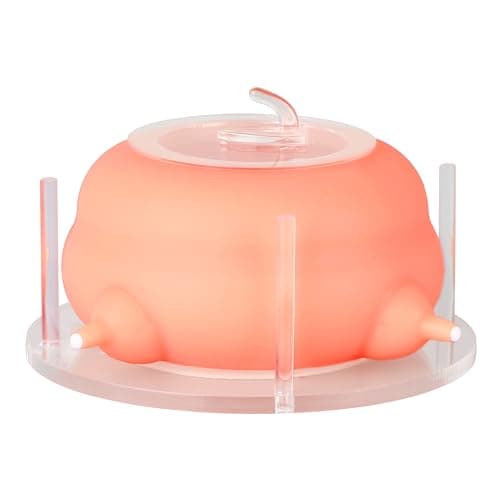
What is a New Puppy Feeding Gear Checklist? A Complete 2026 Guide
A new puppy feeding gear checklist helps you gather the right tools before your puppy comes home, so feeding is safer, cleaner, and less stressful from day one. If you’re worried about choosing the wrong bottle, making a mess, or not having enough gear for a tiny newborn, a checklist keeps the essen
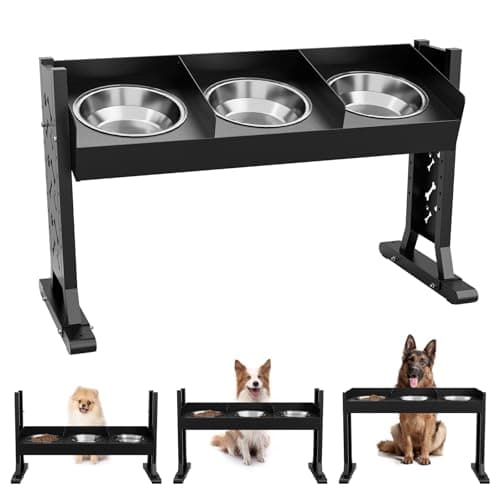
What is an Elevated Feeder Height Guide? A Complete 2026 Guide
If you’re trying to figure out how high a dog bowl should be, you’re not alone—too-low feeding can mean neck strain, spills, messy floors, and awkward mealtimes. An elevated feeder height guide helps you match bowl height to your dog’s size, posture, and feeding needs so meals are more comfortable a
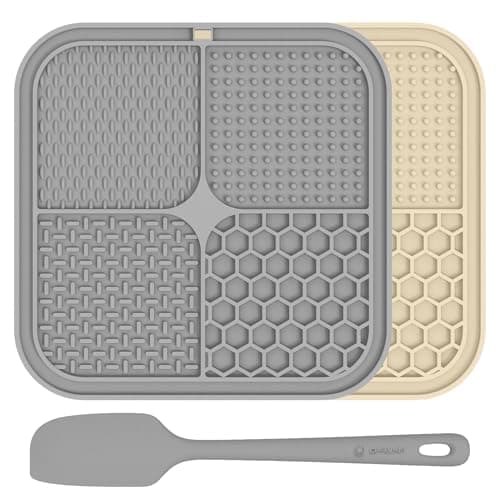
ChefAide 2 Pack Lick Mat for Dogs, Cats & Puppies with Suction Cups Review (2026): Specs, Pros & Cons, and Who It's For
If you're asking is a lick mat worth it , the short answer is: often yes, if you need a low-cost way to slow eating, reduce boredom, or keep a pet occupied during grooming or stressful moments. The catch is that not every lick mat stays put, cleans easily, or works well for every pet, so the det