

Scout's Take
4 picks worth buying
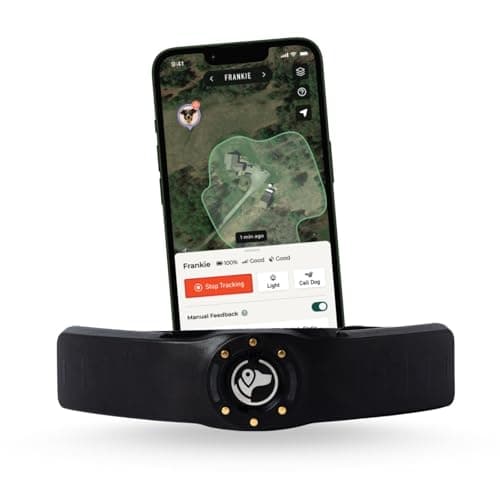
SpotOn Nova GPS Dog Fence Collar, App-Controlled Wireless Fence
The most advanced and feature-rich option for buyers who want premium virtual-fence performance.
- Dual-band, dual-feed GPS precision
- Unlimited customizable fences and keep-out zones
- Very expensive
- Best for app-based users
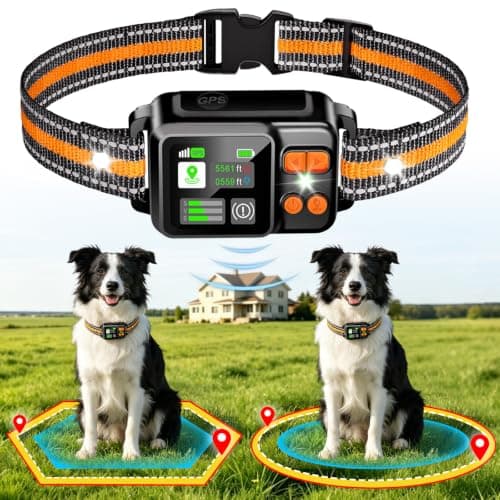
GPS Wireless Dog Fence Collar System 2 Mode Boundary IPX7 No Monthly Fee
A value-focused choice for buyers who want a low-cost, no-subscription virtual fence.
- No monthly fees
- Two fence modes and app-free operation
- Less refined than premium systems
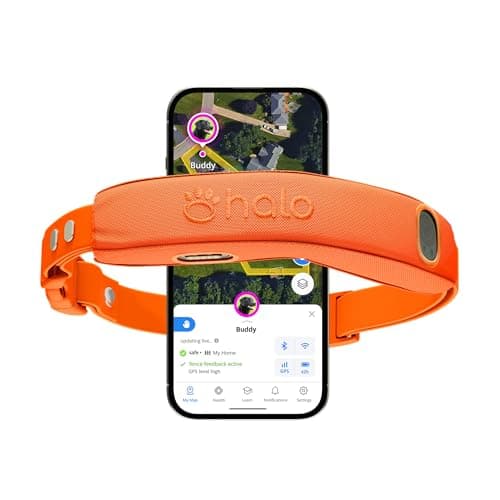
Halo Collar 5 GPS Wireless Dog Fence
A strong pick for owners who need advanced containment across bigger or more complex spaces.
- Advanced GPS corrections
- Multiple fences and training guidance
- Subscription required
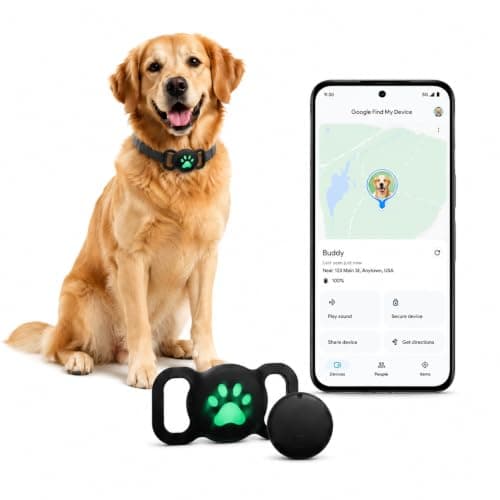
GPS Collar for Dogs, Pet Tracker for Dogs (Android Only), Waterproof Smart Tag Compatible with Google Find My, No Monthly Fee, Dog GPS Tracker Collar for Small Large Dogs (Tracker for Dog)
A simple tracker for Android users who mainly want to locate a dog, not contain one.
- Very affordable
- No monthly fees and lightweight
- Not a fence system
Who this is for: Best for dog owners comparing GPS tracking and virtual-fence options to find a safe, flexible containment setup.
What is a GPS Dog Collar Buying Guide? A Complete 2026 Guide
If you’re trying to keep a dog safe without building a physical fence, choosing the right GPS collar can feel confusing fast. The wrong pick can mean weak boundaries, subscription surprises, or a device that doesn’t fit your yard or your dog’s routine. This gps dog collar buying guide breaks down how the technology works, what features matter most, and which researched options stand out in 2026.
A GPS dog collar uses satellite positioning, app controls, or onboard boundary settings to help you track your dog or create a virtual containment area. Some models focus on live location tracking, while others act like wireless fences that warn your dog near the edge of a safe zone. Because performance varies a lot by terrain, software, and subscription model, the smartest buy depends on how and where you plan to use it.
How It Works
Most GPS dog collars rely on a mix of satellite signals and correction software to estimate your dog’s location. The collar receives data from GPS satellites, then compares that data to a boundary you set in an app or on the device itself. When your dog approaches the edge, the collar can deliver a tone, vibration, or optional static correction to help reinforce the boundary.
There are two broad categories to understand:
- GPS tracking collars help you find a dog’s location in real time or near real time.
- GPS fence collars create a virtual perimeter and are designed to keep dogs inside that boundary.
Some systems use cellular connectivity, Wi-Fi, or cloud-based correction services to improve accuracy and alerts. Others work entirely on the collar without an app or subscription, which can be appealing if you want fewer recurring costs. The tradeoff is that simpler systems may offer fewer tracking features, less customization, or less refined boundary tools.
Key Benefits & Use Cases
Why buyers choose GPS collars
- No physical fence installation: Great for renters, large yards, farms, or properties where digging and posts aren’t practical.
- Portable containment: Useful for travel homes, cabins, vacation properties, or temporary setups.
- Location awareness: Track a dog that slips out, roams, or explores beyond the yard.
- Custom boundaries: Helpful if you want to protect gardens, pools, driveways, or off-limits zones.
- Training support: Many systems include guided training to help dogs learn the boundary cues.
Best use cases
GPS collars make the most sense for owners who need flexibility. They’re often a strong fit for rural properties, irregularly shaped yards, and families who want a fence-like solution without construction. They can also work well for owners who need both containment and tracking in one package.
They are less ideal if you need guaranteed precision in every environment and don’t want to manage setup, charging, or training. In that case, a traditional fence or a simpler tracker may be a better match.
What to Look For When Buying
1) Accuracy and boundary stability
The biggest difference between models is how well they hold a boundary. Look for details such as dual-frequency GPS, correction algorithms, or third-party testing claims. If your yard has trees, slopes, or weak signal conditions, accuracy matters even more.
2) Subscription costs and app dependency
Some collars require a monthly plan for GPS tracking, fence creation, or live alerts. Others are app-free and subscription-free. Always compare the upfront price with long-term costs so you don’t get surprised later.
3) Battery life and charging time
Battery performance affects daily convenience and reliability. A collar that lasts longer between charges is easier to live with, especially if your dog wears it often or you use it for travel and outdoor time.
4) Fit, comfort, and waterproofing
Check neck-size range, collar weight, and waterproof rating. A GPS collar should stay secure without causing rubbing or excess bulk, and it should handle rain, mud, or wet grass if your dog is active outdoors.
5) Training tools and ease of use
Good systems make setup and training straightforward. Look for clear boundary creation, simple controls, and support resources such as guided training or live help. If the interface is confusing, you’re less likely to use the product effectively.
Top Recommended Products

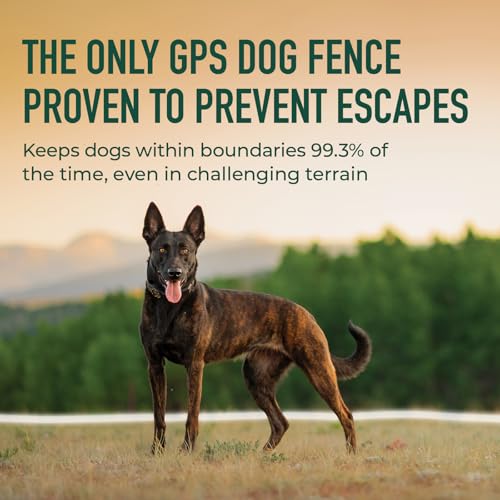
 SpotOn Nova GPS Dog Fence Collar, App-Controlled Wireless Fence ✓ Prime $999.00
This is the premium pick for owners who want a highly engineered virtual fence system. Its dual-band, dual-feed GPS design, app control, customizable fences, and training support make it the most feature-rich option in the list.
- ✓ Patented true-location precision GPS with dual-band, dual-feed positioning
- ✓ Customizable fences and keep-out zones through the app
- ✓ Built-in escape prevention and trainer-supported guidance
- ✗ Very expensive compared with other options
- ✗ Best suited to buyers who want a full app-based system


 GPS Wireless Dog Fence Collar System 2 Mode Boundary IPX7 No Monthly Fee ✓ Prime 18% OFF — Was $109.99 $89.99
This is the best budget-friendly fence-style option in the group. It stands out for no subscription fees, app-free operation, IPX7 waterproofing, and two boundary modes that can suit circular or irregular spaces.
- ✓ No monthly fees and no app required
- ✓ Two fence modes for different yard shapes
- ✓ IPX7 waterproof build and long battery life
- ✗ Less polished than premium app-driven systems
- ✗ Boundary precision depends on your environment and setup


 Halo Collar 5 GPS Wireless Dog Fence ✓ Prime 13% OFF — Was $599.00 $524.00
This is a strong choice for owners who want advanced GPS performance plus training support. The dual-frequency GPS, real-time corrections, and multiple fence support make it appealing for bigger or more complex properties.
- ✓ Dual-frequency GPS with real-time ground-station corrections
- ✓ Works well for rural properties and wide-open spaces
- ✓ Built-in training guidance and live alerts
- ✗ Requires a subscription to activate GPS and fence features
- ✗ Higher ongoing cost than subscription-free alternatives

 GPS Collar for Dogs, Pet Tracker for Dogs (Android Only), Waterproof Smart Tag Compatible with Google Find My, No Monthly Fee, Dog GPS Tracker Collar for Small Large Dogs (Tracker for Dog) ✓ Prime $29.99
This is the simplest and cheapest option here, and it is best understood as a location tracker rather than a containment system. It is a practical choice for Android users who want a lightweight, no-fee way to help find a dog.
- ✓ No monthly fees
- ✓ Android-only Google Find My integration
- ✓ Lightweight and waterproof for everyday use
- ✗ Not a virtual fence or training collar
- ✗ Android-only limits compatibility
Common Mistakes to Avoid
- Buying the wrong type of device: A tracker is not the same as a fence collar. If you need containment, make sure the product actually creates boundaries.
- Ignoring subscription costs: A lower upfront price can become expensive if the best features require monthly payments.
- Skipping training: Even good GPS collars usually work best when dogs are introduced gradually and consistently.
- Not checking fit and comfort: A collar that is too heavy, loose, or bulky can reduce usability and comfort.
- Assuming all terrain performs the same: Trees, hills, buildings, and signal interference can affect real-world results.
Frequently Asked Questions
What is the difference between a GPS dog collar and a regular dog tracker?
A GPS dog collar may track location, create virtual boundaries, or do both. A regular tracker usually focuses on helping you locate the dog, not keeping the dog inside a safe zone.
Do GPS dog collars require a monthly fee?
Some do, especially app-based containment systems with live GPS features. Others, including certain app-free models, advertise zero monthly fees.
Are GPS dog collars accurate enough for large yards?
They can be, but accuracy depends on the model, terrain, and signal quality. Premium systems with stronger GPS correction tools usually perform better in large or challenging spaces.
Can a GPS collar replace a physical fence?
For many owners, yes, but only if the collar is designed for containment and your dog is properly trained. It is still smart to evaluate your property layout and your dog’s behavior before relying on one.
What should I prioritize first when shopping?
Start with the use case: tracking, containment, or both. Then compare accuracy, subscription cost, battery life, comfort, and setup simplicity.
Frequently asked questions
What is the difference between a GPS dog collar and a regular dog tracker?
A GPS dog collar may track location, create virtual boundaries, or do both. A regular tracker usually focuses on helping you locate the dog, not keeping the dog inside a safe zone.
Do GPS dog collars require a monthly fee?
Some do, especially app-based containment systems with live GPS features. Others, including certain app-free models, advertise zero monthly fees.
Are GPS dog collars accurate enough for large yards?
They can be, but accuracy depends on the model, terrain, and signal quality. Premium systems with stronger GPS correction tools usually perform better in large or challenging spaces.
Can a GPS collar replace a physical fence?
For many owners, yes, but only if the collar is designed for containment and your dog is properly trained. It is still smart to evaluate your property layout and your dog’s behavior before relying on one.
What should I prioritize first when shopping?
Start with the use case: tracking, containment, or both. Then compare accuracy, subscription cost, battery life, comfort, and setup simplicity.

How Scout Picks
Specs & standards
We start from manufacturer specs and category standards.
Expert tests
We weigh independent expert and lab test results.
Verified owner reviews
We read patterns across thousands of real owners.
Scout is our illustrated guide — we research from specs, independent expert tests, and thousands of verified owner reviews. We don't lab-test products ourselves.
How we pick →Get the Full Pet Gear Buyer's Guide
Join our free newsletter — we'll send our latest Pet Gear picks, specs and verdicts straight to your inbox.
Free. No spam. Unsubscribe anytime.
Was this review helpful?
Be the first to share your feedback on this review.
Sign in to vote and let us know what you think.
Discussion (0)
No comments yet. Be the first to start the discussion.
Related Reviews
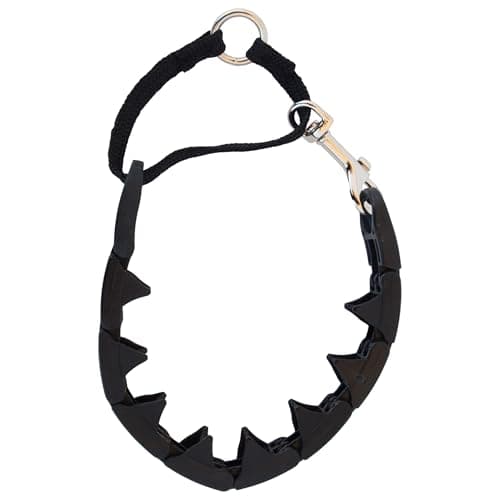
How to Choose the Best Training Collar in 2026: Complete Buying Guide
Choosing a training collar can feel confusing fast: there are humane head-turning designs, prong-style options, and remote e-collars, and the wrong pick can make training harder instead of easier. The biggest mistake buyers make is choosing by “strongest” or “cheapest” rather than matching the colla
What is a Pet Tech Setup Checklist? A Complete 2026 Guide
A pet tech setup checklist is a simple planning tool that helps you choose, install, and organize the smart devices that keep tabs on your pet and home. If you’re overwhelmed by cameras, GPS trackers, smart fences, and app settings, this guide breaks the process into clear steps so you can build a s
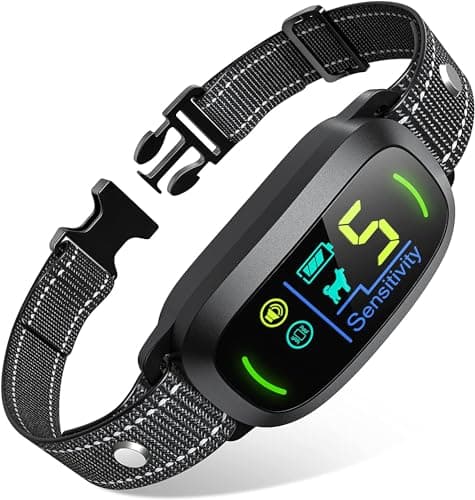
FAFAFROG Dog Bark Collar Review (2026): Specs, Pros & Cons, and Who It’s For
If you’re asking do anti bark collars work , the short answer is: sometimes, and often well enough to help reduce nuisance barking when they’re matched to the right dog and used correctly. The bigger question is which collar has the right mix of safety, sensitivity, and reliability for your dog’s si