

Scout's Take
The pick worth buying
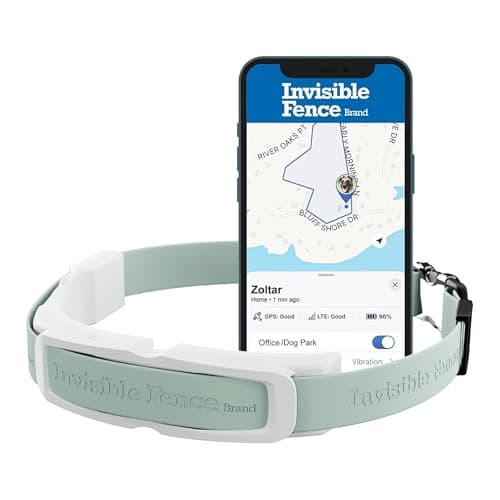
INVISIBLE FENCE Brand GPS Collar + Tracking, 3/4 Acre +
The strongest all-in-one option here for buyers who want containment plus tracking.
- GPS-based virtual boundaries
- Real-time tracking and Lost Dog Mode
- Waterproof, adjustable fit
- Subscription cost
- GPS performance can vary by environment
Who this is for: Best for dog owners who want GPS containment with tracking for a flexible yard boundary.
What is an Invisible Fence Buying Guide? A Complete 2026 Guide
If you’re trying to keep your dog safely contained without installing a traditional physical fence, an invisible fence buying guide can save you from expensive guesswork. The challenge is that “invisible fence” can mean several different systems, from GPS collars to wireless perimeter setups, and the right choice depends on your yard, your dog’s temperament, and how much flexibility you need. This guide breaks down how these systems work, what matters most when buying, and which researched products stand out in 2026.
How It Works
An invisible fence system creates a boundary your dog learns not to cross, but it does so without a visible barrier. Depending on the product, that boundary may be created by buried wire, a wireless signal, or GPS-based geofencing through a collar and app.
In GPS-based systems like the INVISIBLE FENCE Brand GPS Collar + Tracking, 3/4 Acre +, the collar uses satellite positioning and app controls to define one or more virtual boundaries. When your dog approaches the edge, the system can provide warnings through tone, vibration, or correction settings, and some models add live tracking so you can see where your pet is in real time.
The key idea is training: the fence is only effective when your dog learns what the boundary means. Owners and trainers commonly report that the best results come from pairing the device with consistent boundary training, supervision, and a gradual introduction period.
Key Benefits & Use Cases
Why buyers consider invisible fences
- Flexible containment: Useful when a physical fence is too expensive, not allowed, or not practical for the property.
- Cleaner yard appearance: No posts, mesh, or tall fencing blocking views.
- Portable options: Some systems can move with you, which is helpful for renters or frequent movers.
- Training support: Many systems are designed to reinforce boundary awareness with app tools or training materials.
- Extra safety features: Higher-end collars may include tracking, battery alerts, or customizable boundaries.
Common use cases
- Keeping dogs away from roads, driveways, or wooded edges.
- Containing pets on larger properties where fencing every acre would be costly.
- Adding a backup boundary for dogs that already live behind a physical fence.
- Helping families manage pets in vacation homes or temporary living situations.
What to Look For When Buying
When comparing options in an invisible fence buying guide, these five criteria matter most:
1) Boundary type and coverage area
Check whether the system uses GPS, buried wire, or wireless radio signals. GPS systems are often easiest to scale for larger or irregular properties, while wire-based systems can be more precise in defined spaces.
2) Collar fit and dog size compatibility
Look at neck-size range, collar weight, and whether the product is meant for small, medium, or large dogs. A secure but comfortable fit is critical for reliable operation.
3) Battery life and charging
Longer battery life means less downtime and fewer missed updates. If the system includes tracking or app monitoring, battery performance becomes even more important.
4) Training tools and ease of setup
Verified owner reviews often show that the simplest systems are the easiest to train with. Look for setup guidance, app instructions, and training videos rather than assuming the collar alone will do the job.
5) Durability, waterproofing, and support
Outdoor pet gear should handle weather, mud, and daily wear. Waterproof construction and responsive customer support can make a big difference over time.
Top Recommended Products
Below is a research-based roundup of the product in your provided list. Because only one item was supplied, it earns the top spot by default for this guide’s needs: it combines GPS containment, tracking, and a large coverage claim in one package.
INVISIBLE FENCE Brand GPS Collar + Tracking, 3/4 Acre + ✓ Prime $349.99

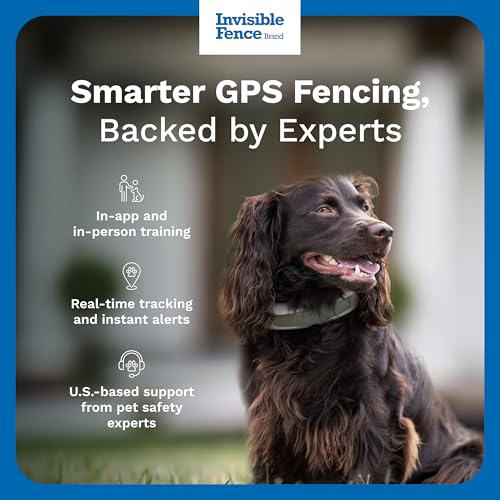

This GPS collar stands out in research because it combines virtual boundary control with tracking features, which is especially useful if your biggest concern is both containment and location awareness. Manufacturer details emphasize waterproof construction, adjustable fit for neck sizes 15"–28", and up to 20 customizable virtual boundaries. Owner feedback for similar GPS fence systems often praises portability and app-based control, while also noting that training consistency and signal environment can affect performance.
- ✓ GPS-based virtual fencing with up to 20 customizable boundaries
- ✓ Real-time tracking and Lost Dog Mode for added peace of mind
- ✓ Fully waterproof and adjustable for neck sizes 15"–28"
- ✓ Includes setup help and detailed training videos
- ✓ Prime shipping convenience
- ✗ Requires subscription-based service, which adds long-term cost
- ✗ GPS systems may be less predictable in heavily obstructed areas
- ✗ Best results depend on consistent training and owner follow-through
Common Mistakes to Avoid
- Choosing the wrong system for your yard: A GPS collar may be better for larger or irregular spaces, while some properties may benefit from a different boundary style.
- Skipping training: Invisible fences are not “set it and forget it” tools. Dogs need a structured introduction to understand the boundary.
- Ignoring fit and comfort: A collar that is too loose, too heavy, or poorly adjusted can reduce reliability and comfort.
- Overlooking ongoing fees: Some GPS systems include subscriptions, and that cost should be factored into the total price.
- Expecting instant results: Owner reviews frequently show that consistency over days or weeks matters more than the hardware alone.
Frequently Asked Questions
What is an invisible fence buying guide?
An invisible fence buying guide is a research-based overview that helps shoppers compare virtual dog containment systems by boundary type, fit, training needs, and long-term cost.
Are invisible fences safe for dogs?
They can be safe when used correctly, with proper training, a good collar fit, and supervision. Most experts recommend treating them as a training tool, not a replacement for responsible pet care.
Do GPS dog fences work better than wire fences?
Not always. GPS systems are often more flexible and portable, while wire systems can be more precise in certain layouts. The better option depends on your property and your dog.
How long does it take to train a dog on an invisible fence?
It varies by dog, but many owners and trainers report that gradual training over several days to a few weeks works better than rushing the process.
What should I look for in the best invisible fence system?
Focus on boundary type, coverage area, collar fit, waterproofing, battery life, training support, and any subscription costs before you buy.
Frequently asked questions
What is an invisible fence buying guide?
An invisible fence buying guide is a research-based overview that helps shoppers compare virtual dog containment systems by boundary type, fit, training needs, and long-term cost.
Are invisible fences safe for dogs?
They can be safe when used correctly, with proper training, a good collar fit, and supervision. Most experts recommend treating them as a training tool, not a replacement for responsible pet care.
Do GPS dog fences work better than wire fences?
Not always. GPS systems are often more flexible and portable, while wire systems can be more precise in certain layouts. The better option depends on your property and your dog.
How long does it take to train a dog on an invisible fence?
It varies by dog, but many owners and trainers report that gradual training over several days to a few weeks works better than rushing the process.
What should I look for in the best invisible fence system?
Focus on boundary type, coverage area, collar fit, waterproofing, battery life, training support, and any subscription costs before you buy.
Score breakdown
- value
- 6.0
- usability
- 8.0
- durability
- 8.0
- performance
- 8.0
- buyerFeedback
- 8.0

How Scout Picks
Specs & standards
We start from manufacturer specs and category standards.
Expert tests
We weigh independent expert and lab test results.
Verified owner reviews
We read patterns across thousands of real owners.
Scout is our illustrated guide — we research from specs, independent expert tests, and thousands of verified owner reviews. We don't lab-test products ourselves.
How we pick →Get the Full Pet Gear Buyer's Guide
Join our free newsletter — we'll send our latest Pet Gear picks, specs and verdicts straight to your inbox.
Free. No spam. Unsubscribe anytime.
Was this review helpful?
Be the first to share your feedback on this review.
Sign in to vote and let us know what you think.
Discussion (0)
No comments yet. Be the first to start the discussion.
Related Reviews
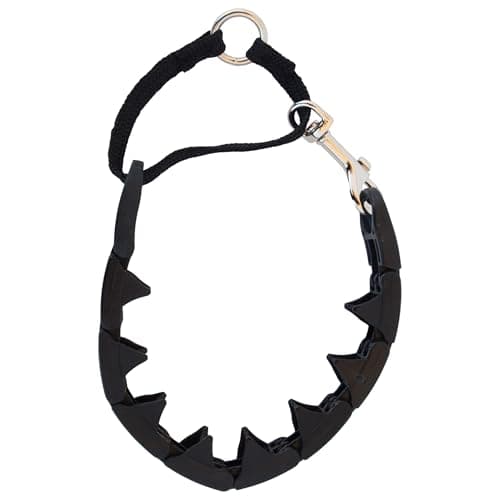
How to Choose the Best Training Collar in 2026: Complete Buying Guide
Choosing a training collar can feel confusing fast: there are humane head-turning designs, prong-style options, and remote e-collars, and the wrong pick can make training harder instead of easier. The biggest mistake buyers make is choosing by “strongest” or “cheapest” rather than matching the colla
What is a Pet Tech Setup Checklist? A Complete 2026 Guide
A pet tech setup checklist is a simple planning tool that helps you choose, install, and organize the smart devices that keep tabs on your pet and home. If you’re overwhelmed by cameras, GPS trackers, smart fences, and app settings, this guide breaks the process into clear steps so you can build a s
FAFAFROG Dog Bark Collar Review (2026): Specs, Pros & Cons, and Who It’s For
If you’re asking do anti bark collars work , the short answer is: sometimes, and often well enough to help reduce nuisance barking when they’re matched to the right dog and used correctly. The bigger question is which collar has the right mix of safety, sensitivity, and reliability for your dog’s si