


Scout's Take
5 picks worth buying
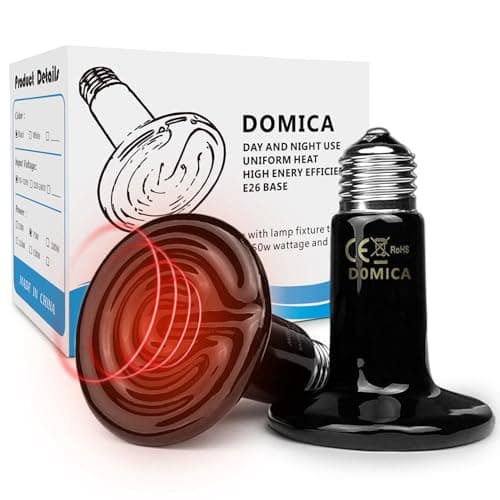
DOMICA 150W 2 Pack Reptile Heat Bulb, Beared Dragon Ceramic Heat Emitter, E26 No Light Night Use Heater Bulbs for Turtle, Lizard, Snake, Amphibians, Pet Brooder Coop Chicken (150W-Large Tank)
The best all-around choice for keepers who need stronger overnight heat in a larger setup.
- No light output
- High-output 150W for larger enclosures
- Durable ceramic build
- Needs a heat-rated fixture
- Can be too powerful for small tanks
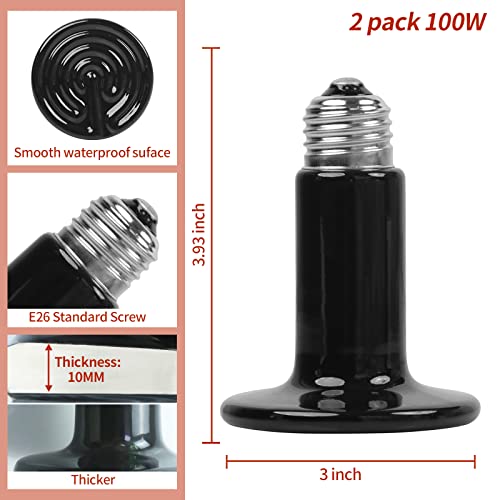
DOMICA 100W 2Pack Reptile Heat Bulb, Beared Dragon Ceramic Heat Emitter, E26 No Light Emitting Heating Light Bulbs for Turtle, Lizard, Snake, Amphibians, Pet Brooder Coop Chicken (100W-Medium Tank)
A practical lower-output pick for medium habitats where you want simple, light-free nighttime heat.
- Easier to manage in medium enclosures
- No-light heating
- Simple E26 installation
- Less headroom for cold rooms
- Still needs a safe fixture
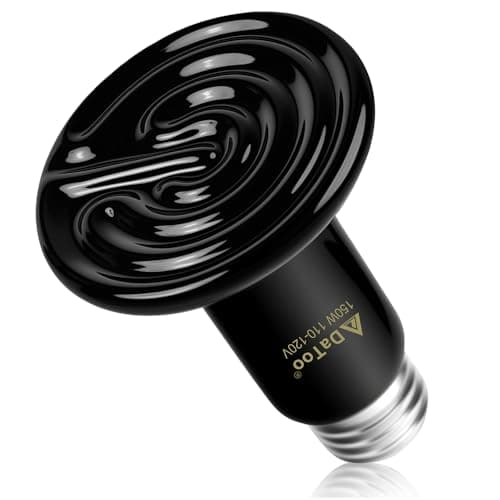
DaToo Ceramic Reptile Heat Lamp 150W Ceramic Heat Emitter E26 No Light Night Heat Bulb for Reptile Terrarium Tank Lizards Snakes Hedgehogs Turtles Cats Dogs Chicken
A strong fit for keepers who want quick warm-up and robust overnight output.
- Fast heat generation
- No visible light
- High-temperature ceramic construction
- May be too strong for small enclosures
- Requires careful fixture selection
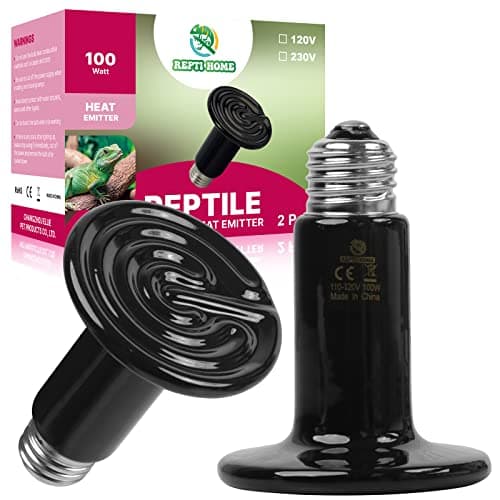
REPTI HOME 100W Ceramic Heat Emitter (2 Pack), Reptile Heat Lamp Bulbs, Ceramic Heater for Amphibian, Pet Brooder Coop, Chicken, Dog, Cat
A reliable option for steady overnight warmth in species that need continuous supplemental heat.
- Designed for constant heat
- Works with temperature control
- Solid ceramic shell
- Not ideal for very large enclosures
- Performance depends on thermostat quality
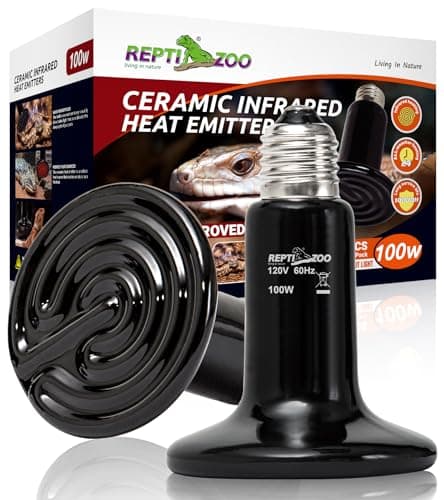
REPTI ZOO 100W Reptile Heat Lamp 2Pack Ceramic Heat Emitter Night Heat Lamp Bulbs Reptile Terrarium Heat lamp Tank Heat Bulb for Turtle Bearded Dragon Gecko Lizard Snake Chicken E26
A smart pick for humid enclosures where durability and no-light heat both matter.
- Crack-resistant ceramic build
- Suitable for humid environments
- No-light nighttime heating
- Moderate output only
- Humidity resistance does not replace safe mounting
Who this is for: Best for reptile keepers who need safe, light-free overnight warmth for nocturnal species.
How to Choose the Best Ceramic Heat Emitter for Nocturnal Reptiles in 2026: Complete Buying Guide
If your reptile needs steady nighttime warmth without a bright bulb disrupting sleep, choosing the right ceramic heat emitter matters a lot. The most common mistake buyers make is picking a wattage or fixture setup that sounds “strong enough” without matching the enclosure size, distance, and thermostat needs. This guide breaks down exactly how to choose the best ceramic heat emitter for nocturnal reptiles so you can build a safer, more stable overnight heat setup.
Key Features to Look For
1) No light output
For nocturnal reptiles, the biggest benefit of a ceramic heat emitter is that it produces heat without visible light. That helps preserve a normal day-night cycle, which is especially important for species that need darkness to rest and regulate behavior.
2) Correct wattage for the enclosure
Wattage affects how much heat the emitter can produce and how well it can maintain temperatures in your enclosure. A larger tank, cooler room, or taller setup may need more output, while a smaller enclosure can overheat if the bulb is too powerful.
3) Thermostat compatibility
A ceramic heat emitter should work with a thermostat or temperature controller whenever possible. This is one of the safest ways to prevent overheating, reduce temperature swings, and keep the enclosure within the species’ preferred range.
4) E26 socket and fixture match
Most of the options in this guide use a standard E26 base, which makes setup easier. Just as important is the fixture itself: it should be rated for the emitter’s wattage and built to handle high surface heat.
5) Durable ceramic construction
High-density ceramic housings are valued because they tolerate heat better than many cheaper materials. This matters for long-term use, especially in humid enclosures where heat and moisture can stress weaker components.
6) Fast, steady heat output
Owners often want an emitter that warms up quickly and then holds a stable output. That consistency helps create a more reliable overnight thermal zone, which is better than a setup that cycles unevenly or takes too long to recover after room temperatures drop.
7) Safety-focused installation guidance
Good product instructions matter more than many people realize. Look for clear guidance about safe distance, fixture ratings, and proper handling, because ceramic emitters get extremely hot on the surface even though they don’t emit light.
What to Avoid
When learning how to choose a ceramic heat emitter for nocturnal reptiles, the biggest risks usually come from setup mistakes rather than the bulb itself. Avoid these common pitfalls:
- Using the wrong fixture: A lamp holder that is not rated for the emitter’s heat output can become a fire risk.
- Choosing wattage without measuring the enclosure: Bigger numbers are not automatically better. Too much heat can stress reptiles and dry out the habitat.
- Skipping thermostat control: Even a well-made emitter can overheat if it runs unchecked.
- Assuming all “night bulbs” are the same: Some bulbs still give off visible glow or inconsistent heat, which can interfere with sleep cycles.
- Placing it too close to the animal or décor: Ceramic emitters run hot enough to create burn and fire hazards if installed carelessly.
- Frequent on-off cycling: Some manufacturer guidance warns against rapid switching, which can shorten lifespan and reduce consistency.
Our Top Picks
Below are the best researched options from the product list, ranked by fit for different enclosure sizes, heat needs, and buying priorities. These recommendations are based on manufacturer specs, published product details, and verified owner feedback patterns—not hands-on testing.
1) DOMICA 150W 2 Pack Reptile Heat Bulb, Beared Dragon Ceramic Heat Emitter, E26 No Light Night Use Heater Bulbs for Turtle, Lizard, Snake, Amphibians, Pet Brooder Coop Chicken (150W-Large Tank) — Best Overall


This is the strongest all-around choice if you need substantial nighttime heat for a larger enclosure. The 150W output, no-light design, and ceramic construction make it a practical fit for keepers who want a more robust heat source for bigger tanks or cooler rooms.
- ✓ No light output helps protect nocturnal sleep cycles
- ✓ High-output 150W design suits larger enclosures
- ✓ High-density ceramic build supports long-term use
- ✗ Requires a fixture rated for higher heat output
- ✗ Can be too much emitter for small enclosures if not controlled
2) DOMICA 100W 2Pack Reptile Heat Bulb, Beared Dragon Ceramic Heat Emitter, E26 No Light Emitting Heating Light Bulbs for Turtle, Lizard, Snake, Amphibians, Pet Brooder Coop Chicken (100W-Medium Tank) — Best Budget
If you want a simpler, lower-output option for a medium enclosure, this 100W DOMICA model is a smart starting point. It keeps the no-light benefit and standard E26 compatibility while staying easier to match to smaller or more moderate heating needs than a 150W bulb.
- ✓ 100W output is often easier to manage in medium tanks
- ✓ No-light heating supports healthy sleep cycles
- ✓ Standard E26 base makes installation straightforward
- ✗ Not ideal if your room runs cold or the enclosure is large
- ✗ Still needs a heat-safe fixture and careful setup
3) DaToo Ceramic Reptile Heat Lamp 150W Ceramic Heat Emitter E26 No Light Night Heat Bulb for Reptile Terrarium Tank Lizards Snakes Hedgehogs Turtles Cats Dogs Chicken — Best for Fast Heat-Up


This is a good pick for keepers who want a fast-warming emitter with a strong heat ceiling. Manufacturer details emphasize quick temperature rise, high-temperature resistance, and a 10,000-hour service life, which makes it appealing for routine overnight use in a variety of setups.
- ✓ Fast heat generation for quicker enclosure recovery
- ✓ No light output helps avoid disturbing nighttime behavior
- ✓ High-temperature, moisture-resistant ceramic build
- ✗ 150W can be excessive for small enclosures
- ✗ Needs a quality ceramic lamp holder for safe use
4) REPTI HOME 100W Ceramic Heat Emitter (2 Pack), Reptile Heat Lamp Bulbs, Ceramic Heater for Amphibian, Pet Brooder Coop, Chicken, Dog, Cat — Best for 24-Hour Supplemental Heat

REPTI HOME stands out for keepers who need a steady overnight heat source for species that benefit from constant warmth, such as leopard geckos and ball pythons. The brand also highlights compatibility with temperature control, which is a major plus for safer reptile heating.
- ✓ Designed as a 24-hour heat source
- ✓ Works with temperature control setups
- ✓ Solid ceramic shell and E26 installation
- ✗ 100W may not be enough for very large or cold enclosures
- ✗ Performance still depends on the quality of the fixture and thermostat
5) REPTI ZOO 100W Reptile Heat Lamp 2Pack Ceramic Heat Emitter Night Heat Lamp Bulbs Reptile Terrarium Heat lamp Tank Heat Bulb for Turtle Bearded Dragon Gecko Lizard Snake Chicken E26 — Best for Humid Terrariums

This option is appealing if your reptile lives in a glass terrarium or a higher-humidity environment. The product details call out crack-resistant ceramic material and suitability for humid conditions, which can be helpful when moisture is part of the habitat design.
- ✓ Crack-resistant ceramic build for humid environments
- ✓ No-light heating for nighttime comfort
- ✓ Standard E26 compatibility with many fixtures
- ✗ 100W may be modest for larger enclosures
- ✗ Humidity resistance does not replace safe mounting and ventilation
Budget Guide: What You Get at Each Tier
Budget tier
Budget ceramic heat emitters usually focus on the essentials: no light output, standard E26 compatibility, and enough heat for smaller to medium enclosures. They can be a solid fit if you already have a proper ceramic fixture and thermostat, but they may offer fewer convenience features or less headroom for larger habitats.
Mid-range tier
Mid-range options often give you a better balance of output, construction quality, and enclosure coverage. In this tier, you’re more likely to find a model that handles larger tanks more comfortably while still preserving the no-light benefit nocturnal reptiles need.
Premium tier
Premium ceramic heat emitters are usually the best match for keepers who want more output, stronger materials, and broader use-case flexibility. They’re especially useful if your room gets cold, your enclosure is large, or you want a more robust heat source that can serve as a dependable overnight warmer.
Frequently Asked Questions
What wattage ceramic heat emitter do I need for nocturnal reptiles?
It depends on enclosure size, room temperature, and species needs. Smaller or warmer rooms often do well with 100W, while larger or cooler setups may need 150W or another heat strategy paired with a thermostat.
Do ceramic heat emitters give off light at night?
No. The main advantage of a ceramic heat emitter is that it produces heat without visible light, which helps preserve a natural sleep cycle for nocturnal reptiles.
Do I need a thermostat with a ceramic heat emitter?
Yes, a thermostat is strongly recommended. It helps prevent overheating and keeps nighttime temperatures more stable, which is safer for your reptile.
Can I use a ceramic heat emitter in a regular lamp fixture?
Only if the fixture is rated for the emitter’s heat output and is designed for high-temperature use. A ceramic lamp holder is the safer choice.
How do I choose the best ceramic heat emitter for nocturnal reptiles?
Match the wattage to your enclosure size, choose a no-light ceramic model, use a heat-safe fixture, and pair it with a thermostat for controlled overnight warmth.
Frequently asked questions
What wattage ceramic heat emitter do I need for nocturnal reptiles?
It depends on enclosure size, room temperature, and species needs. Smaller or warmer rooms often do well with 100W, while larger or cooler setups may need 150W or another heat strategy paired with a thermostat.
Do ceramic heat emitters give off light at night?
No. The main advantage of a ceramic heat emitter is that it produces heat without visible light, which helps preserve a natural sleep cycle for nocturnal reptiles.
Do I need a thermostat with a ceramic heat emitter?
Yes, a thermostat is strongly recommended. It helps prevent overheating and keeps nighttime temperatures more stable, which is safer for your reptile.
Can I use a ceramic heat emitter in a regular lamp fixture?
Only if the fixture is rated for the emitter’s heat output and is designed for high-temperature use. A ceramic lamp holder is the safer choice.
How do I choose the best ceramic heat emitter for nocturnal reptiles?
Match the wattage to your enclosure size, choose a no-light ceramic model, use a heat-safe fixture, and pair it with a thermostat for controlled overnight warmth.

How Scout Picks
Specs & standards
We start from manufacturer specs and category standards.
Expert tests
We weigh independent expert and lab test results.
Verified owner reviews
We read patterns across thousands of real owners.
Scout is our illustrated guide — we research from specs, independent expert tests, and thousands of verified owner reviews. We don't lab-test products ourselves.
How we pick →Get the Full Pet Gear Buyer's Guide
Join our free newsletter — we'll send our latest Pet Gear picks, specs and verdicts straight to your inbox.
Free. No spam. Unsubscribe anytime.
Was this review helpful?
Be the first to share your feedback on this review.
Sign in to vote and let us know what you think.
Discussion (0)
No comments yet. Be the first to start the discussion.
Related Reviews

8 Best Mesh Screen Cages for Chameleons and Arboreal Lizards in 2026 — Top Ventilation Picks for Healthy Climbing Habitats
If you’re trying to choose the best mesh screen cages for chameleons and arboreal lizards, the big challenge is finding a habitat that balances airflow, UVB penetration, security, and easy cleaning. Mesh cages can be excellent for species that need strong ventilation and vertical climbing space, but

Best Alternatives to Zoo Med in 2026 — Cheaper, Better, or Both?
If you’re searching for Zoo Med alternatives for reptile lighting fixtures , you’re probably trying to solve one of three problems: you want a lower-cost setup, you need a fixture with different features, or you’re tired of being locked into one brand’s ecosystem. The good news is there are several

8 Best Incubators for Reptile and Amphibian Eggs in 2026 — Stable Temperature Picks for Better Hatch Control
If you’re trying to hatch reptile or amphibian eggs, the biggest challenge is keeping temperature steady without constant babysitting. The best incubators for reptile and amphibian eggs solve that problem with accurate controls, clear monitoring, and insulation that helps reduce risky swings. In thi