

Scout's Take
3 picks worth buying
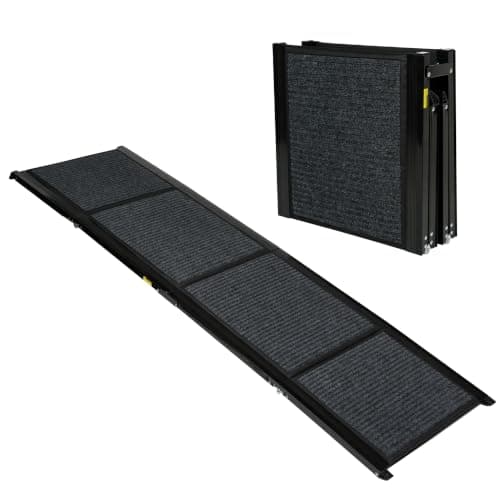
Ashfield & Harkness: Felt Dog Ramp - 63 x17, Black, Foldable & Portable, Metal Frame, Non-Slip, Stairs Alternative for Car-SUV-Truck, Pets 250lbs Cap
The best all-around pick for large breeds needing a stable, gentle ramp for home or travel.
- 63-inch length helps create a gentler incline
- 250 lb capacity supports large breeds
- Folds compactly with a carry handle
- Felt surface may be harder to clean
- Needs enough space to use comfortably
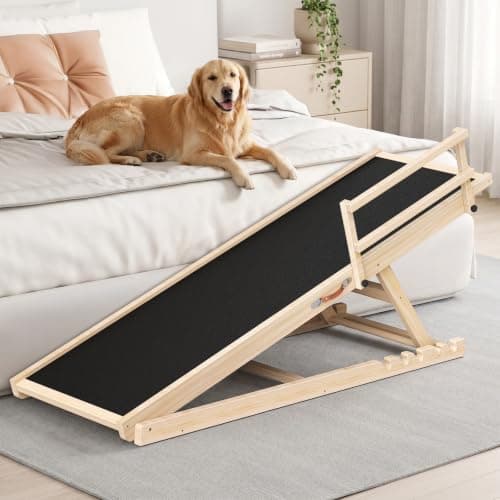
Tresbro Dog Ramp for High Bed, 55.11'' Long 19.3''-27.17'' Adjustable Height Pet Ramp with Anti-Slip Mat & Side Rails, Wooden Portable Ramp for Small to Large Dogs to Get on Bed, Couch, Up to 200LBS
A strong choice for tall beds when adjustability and side support matter most.
- Five height settings fit different furniture heights
- Side rails add confidence for cautious dogs
- Rubber surface is designed for traction
- Costs more than some alternatives
- 200 lb cap may not suit giant breeds
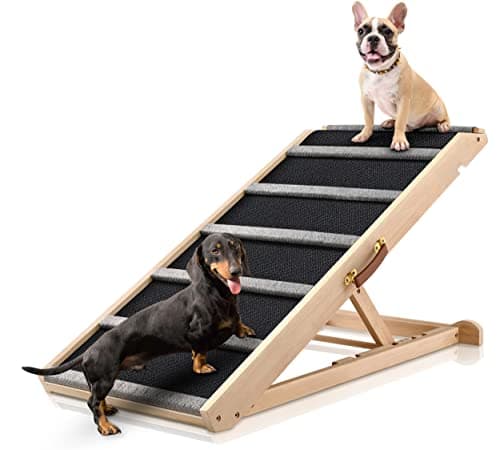
Dog Ramp for Bed - Extra Wide 17’’, Non-Slip Rubber Surface Excellent Traction, Pet Ramp for Small Large Dogs to Get on High Couch Car, Hold up to 200lb, Adjustable, Foldable
The best value pick if you want strong traction and width without spending top dollar.
- Extra-wide surface suits broad dogs
- Rubber traction improves footing
- Folds for storage and travel
- Shorter length can mean a steeper slope
- Less ideal for very tall furniture
Who this is for: Best for large-breed dog owners who need a safer, gentler way to reach beds, couches, or vehicles.
How to Choose the Best Dog Ramp for Large Breeds in 2026: Complete Buying Guide
If you’re figuring out how to choose a dog ramp for large breeds, the big challenge is usually not finding a ramp—it’s finding one that’s actually stable, gentle enough for joints, and wide enough for a bigger body. The most common mistake buyers make is choosing a ramp based on price or looks, then discovering it’s too steep, too narrow, or too slippery for a large dog to trust. This guide breaks down the features that matter most, the red flags to avoid, and the best research-backed options for different needs and budgets.
Key Features to Look For
1) Length and slope
A longer ramp usually creates a gentler incline, which is especially important for large breeds with hip, knee, or back sensitivity. Short ramps can force a steep climb that feels awkward or unsafe, even if the ramp has good traction. For beds, couches, SUVs, and trucks, prioritize the longest ramp that fits your space.
2) Weight capacity and frame strength
Large dogs need more than a high weight rating on paper—they need a ramp that feels solid under foot. Look for reinforced wood, aluminum, or metal support structures, plus published capacity ratings that comfortably exceed your dog’s weight. A higher limit often translates to less flex and better confidence for heavier breeds.
3) Width and walking surface
Big dogs benefit from a wider walkway because it gives them room to place their paws naturally and reduces the chance of slipping off the side. Extra width matters even more for broad-chested breeds like Labs, Shepherds, and Rottweilers. If your dog is cautious, a wider surface can make the ramp feel much more approachable.
4) Traction and paw grip
Traction is one of the most important safety features. Rubberized surfaces, textured felt, and anti-slip mats help prevent slipping, especially for dogs with long nails, arthritis, or anxiety about movement. Avoid smooth finishes and glossy materials that can look nice but feel unstable to a dog’s paws.
5) Side rails or edge protection
Side rails can help large dogs stay centered, especially on taller ramps or when they’re still learning. They’re useful for dogs that drift sideways or hesitate near the edges. If a ramp doesn’t have rails, width and traction become even more important.
6) Height adjustability
Adjustable ramps are a smart buy if you need one solution for multiple pieces of furniture or vehicle access. The right height setting helps you match the ramp to the surface without creating an overly steep angle. This is especially useful in homes where the dog uses the ramp for both bed and couch access.
7) Foldability and storage
Large-breed ramps can be bulky, so portability matters if you’ll move it between rooms or take it in the car. Foldable designs are easier to store under a bed, in a closet, or in a trunk. If you travel often, a carry handle and compact fold can make a big difference in everyday use.
What to Avoid
Ramps that are too short for the height
One of the biggest mistakes is buying a ramp that technically “fits” the furniture but creates a steep climb. For large breeds, steep angles can discourage use and increase strain on joints. If in doubt, go longer rather than shorter.
Slippery surfaces with no real traction
Some ramps look sturdy but have finishes that are too slick for confident footing. Smooth plastic or polished surfaces can be especially problematic for older dogs or dogs recovering from injury. If the product description doesn’t clearly mention traction, that’s a warning sign.
Narrow walking paths
Small dogs can sometimes manage narrow ramps; large dogs usually cannot. A narrow surface can make bigger breeds feel like they’re balancing on a beam. That can lead to hesitation, sideways steps, or refusal to use the ramp at all.
Weak hinges or wobbly bases
Large dogs need a ramp that feels secure every time they step on it. If reviews mention wobbling, flexing, or unstable hinges, take that seriously. Even a well-padded surface won’t matter if the structure feels shaky.
Ignoring your dog’s mobility level
A young, athletic dog may tolerate a steeper ramp better than a senior or arthritic dog. But even active large breeds benefit from a gentler incline, especially for repeated daily use. Match the ramp to your dog’s current mobility, not just their size.
Buying by weight rating alone
Weight capacity matters, but it’s not the whole story. A ramp can support your dog and still be poor for comfort if it’s too steep, too narrow, or too slick. Think of capacity as a minimum requirement, not the deciding factor.
Our Top Picks
Best Overall: Ashfield & Harkness: Felt Dog Ramp 4.99★ (research-based rating)


Why it stands out: This is the strongest all-around choice for large breeds because the 63-inch length helps create a gentler incline, and the 250 lb capacity gives it a reassuring stability margin. It’s especially compelling for car access, SUVs, trucks, and high beds where slope matters as much as strength. Verified owner feedback tends to reward ramps like this when they combine length, portability, and a no-assembly setup.
✓ Prime 25% OFF — Was $79.99 $59.99
✓ Long 63-inch design supports a gentler climb for large and senior dogs
✓ 250 lb capacity with aluminum frame and metal supports
✓ Folds compactly and includes a carry handle for travel
✓ Non-slip felt surface adds secure footing
✗ Felt may not be as easy to wipe clean as rubber surfaces
✗ Best for space that can accommodate a longer ramp
Best for High Beds: Tresbro Dog Ramp for High Bed 4.9★ (research-based rating)
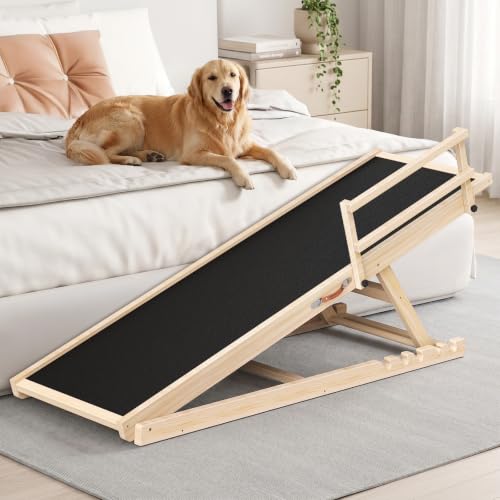


This ramp is a strong fit if your main goal is helping a large dog get onto a tall bed without an awkward jump. Its five height settings make it easier to match different furniture heights, and the side rails add confidence for dogs that need extra guidance. The wooden build and 200 lb capacity make it a solid pick for everyday home use.
✓ Prime 5% OFF — Was $139.99 $132.99
✓ 55.11-inch length with five adjustable height settings
✓ Side rails help keep large dogs centered
✓ Rubber surface is designed for traction and easy cleaning
✓ Folds for storage and includes a leather handle
✗ Pricier than some other options
✗ 200 lb limit may be less ideal for extra-heavy giant breeds
Best Budget: Dog Ramp for Bed - Extra Wide 17’’ 4.8★ (research-based rating)


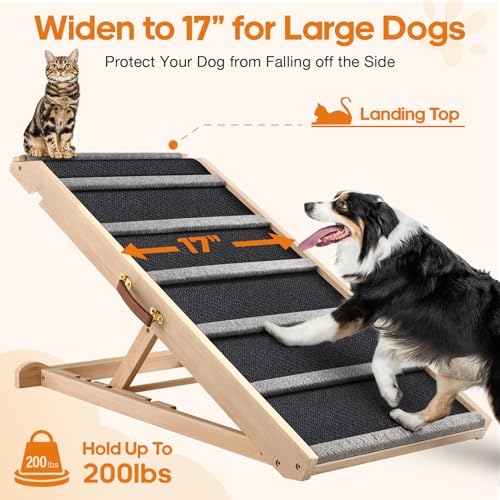
If you want a lower-cost ramp that still addresses the biggest large-breed concerns, this one is hard to ignore. The 17.1-inch width is a major plus for broad dogs, and the rubberized surface is designed for better grip than carpet-style options. It also folds, adjusts to multiple heights, and supports up to 200 pounds, making it a practical value pick.
✓ Prime 11% OFF — Was $89.98 $79.98
✓ Extra-wide 17.1-inch surface for larger breeds
✓ Non-slip rubber surface with textured grip
✓ 200 lb capacity and adjustable height settings
✓ Foldable with carry handle for storage and travel
✗ Shorter than the longest ramps, so slope may be steeper at some heights
✗ Best for moderate-height furniture rather than very tall beds
Budget Guide: What You Get at Each Price Point
Under $75
At this range, you’re usually looking at simpler builds, shorter lengths, or fewer premium details. The best value here is often a ramp that still offers real traction and a decent weight rating, but you may need to compromise on length or width. For large breeds, make sure the surface is grippy and the structure is rated well above your dog’s weight.
$75 to $120
This is the sweet spot for many buyers. You can often find stronger materials, better width, foldable designs, and more reliable traction in this range. If your dog is large but not giant, this category often balances stability, comfort, and price well.
$120 to $160
In this bracket, you’re more likely to get better construction, more adjustability, and features like side rails or longer ramp lengths. These are good choices for taller beds or dogs that need extra confidence. If your dog is older, recovering, or very cautious, the extra investment can pay off in easier daily use.
$160 and up
Higher-priced ramps generally make sense when you need premium materials, very long lengths, or the most confidence-inspiring stability. This is where you’ll often find the most refined options for large breeds that need frequent access to beds, vehicles, or elevated platforms. Pay for length and stability first; decorative extras come second.
Frequently Asked Questions
What size dog ramp do I need for a large breed?
For large breeds, choose the longest ramp your space allows so the incline stays gentle. A longer ramp is usually safer and more comfortable than a short, steep one, especially for seniors or dogs with joint issues.
How wide should a dog ramp be for a big dog?
A wider ramp is better for large breeds because it gives them room to step confidently. Look for extra-wide models if your dog is broad-chested, nervous, or still learning how to use the ramp.
Are rubber or felt dog ramp surfaces better?
Both can work well if they provide strong traction. Rubber is often easier to wipe clean, while felt can offer a softer step. The key is whether the surface helps your dog feel secure without slipping.
Can a dog ramp replace stairs for a large dog?
Yes, in many cases. A ramp can be easier on joints than stairs, especially for senior dogs, dogs recovering from surgery, or breeds prone to hip and back problems. The best choice depends on your dog’s mobility and confidence.
What is the most important feature when buying a dog ramp for large breeds?
The most important feature is usually the combination of length, traction, and stability. A ramp that is long enough, grippy enough, and sturdy enough will usually work better than one that only looks strong on paper.
Frequently asked questions
What size dog ramp do I need for a large breed?
Choose the longest ramp your space allows so the incline stays gentle, especially for seniors or dogs with joint issues.
How wide should a dog ramp be for a big dog?
A wider ramp is better because it gives large breeds more room to step confidently and reduces side-slip risk.
Are rubber or felt dog ramp surfaces better?
Both can work if they provide strong traction; rubber is easier to wipe clean, while felt can feel softer under paw.
Can a dog ramp replace stairs for a large dog?
Yes, often it can be easier on joints than stairs, especially for senior dogs or dogs recovering from surgery.
What is the most important feature when buying a dog ramp for large breeds?
The best ramps combine length, traction, and stability so the climb feels gentle, secure, and confidence-building.
Score breakdown
- value
- 8.8
- usability
- 9.2
- durability
- 9.0
- performance
- 9.4
- buyerFeedback
- 9.1

How Scout Picks
Specs & standards
We start from manufacturer specs and category standards.
Expert tests
We weigh independent expert and lab test results.
Verified owner reviews
We read patterns across thousands of real owners.
Scout is our illustrated guide — we research from specs, independent expert tests, and thousands of verified owner reviews. We don't lab-test products ourselves.
How we pick →Get the Full Pet Gear Buyer's Guide
Join our free newsletter — we'll send our latest Pet Gear picks, specs and verdicts straight to your inbox.
Free. No spam. Unsubscribe anytime.
Was this review helpful?
Be the first to share your feedback on this review.
Sign in to vote and let us know what you think.
Discussion (0)
No comments yet. Be the first to start the discussion.
Related Reviews
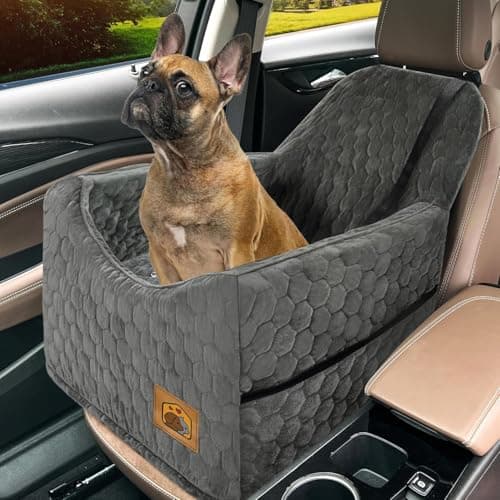
8 Best Dog Booster Seats for Car Travel in 2026 — Safer, Comfier Rides for Small and Medium Dogs
If your dog slides around in the car, can’t see out the window, or gets anxious on every trip, a booster seat can make travel noticeably calmer and more secure. The best dog booster seats for car travel combine stable anchoring, cozy padding, and the right size for your pet so they ride higher witho
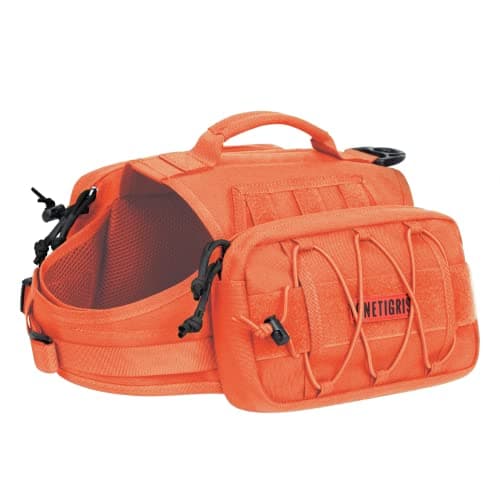
3 Best Hiking Dog Backpacks for Medium Dogs in 2026 — Lightweight, Secure Picks for Trail Days
If your medium dog needs to carry water, treats, and a few trail essentials without bouncing around or overheating, the wrong pack can turn a fun hike into a fussy one fast. The best hiking dog backpacks for medium dogs should fit securely, stay breathable, and offer enough storage without overloadi
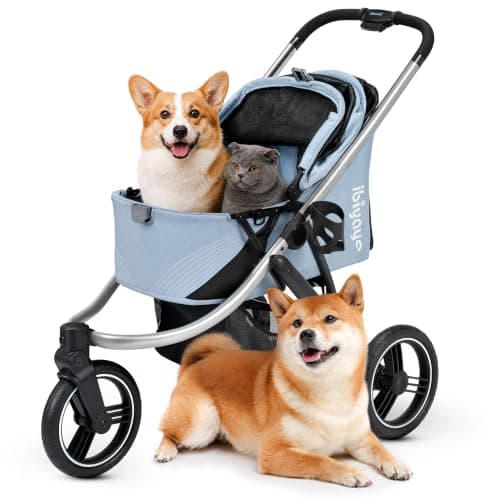
8 Best Dog Strollers for Jogging and Running in 2026 — Smooth Rides, Safer Sprints, and Easier Outings
If your dog loves to come along for runs but can’t comfortably keep up, the right stroller can turn frustrating outings into relaxed, consistent exercise. The best dog strollers for jogging and running need more than just wheels: they should track well, feel stable at speed, offer secure containment