


Scout's Take
4 picks worth buying
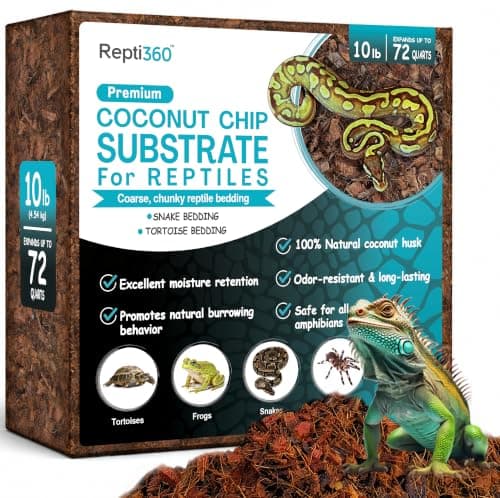
Repti360 Premium Coconut Chip Substrate for Reptiles – 10 LB Block in Carton Box, Expands to 72 Quarts – Natural & Dust-Free Coco Husk Bedding for Ball Python, Bearded Dragon, Tortoise & Gecko
The best all-around choice for keepers who want volume, humidity support, and versatility.
- Huge 72-quart expansion
- Strong humidity retention
- Natural coconut husk for bioactive setups
- Higher upfront price
- Chip texture may not suit every species
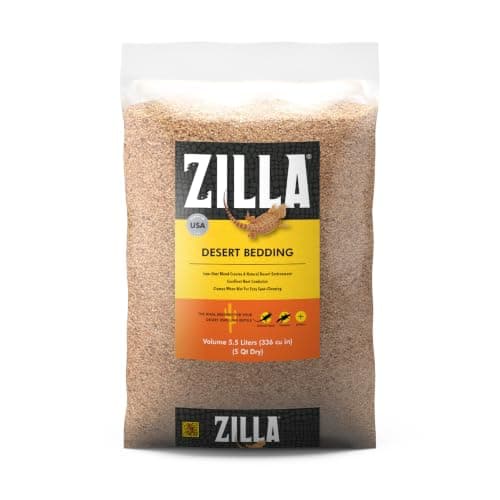
Zilla Desert Bedding Reptile Substrate for Bearded Dragon, 5 Quarts
The clearest fit for arid enclosures and species that need a dry, warm substrate.
- Designed for desert reptiles
- Helps with heat conduction
- Easy spot cleaning
- Not for humid species
- Smaller package size
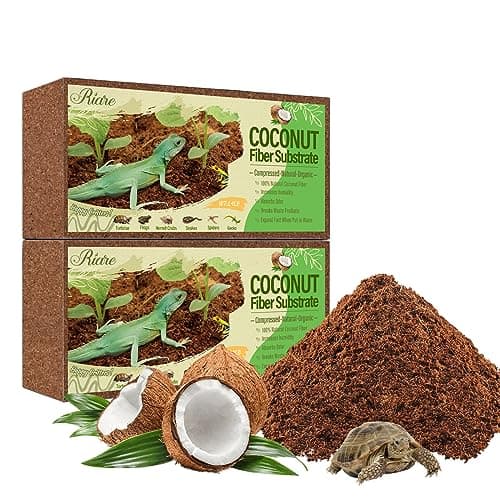
Riare 2 Pack Natural Coconut Fiber Substrate, Coco Coir Reptile Bedding
A strong low-cost pick for humid or general-purpose naturalistic setups.
- Affordable natural coco coir
- Good odor and waste absorption
- Compostable and easy to store
- Requires soaking before use
- Not species-specific
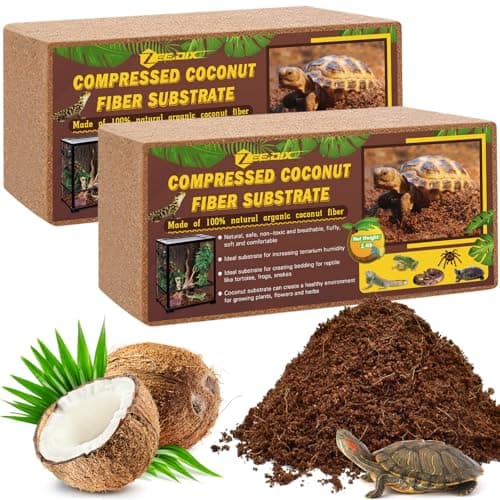
ZeeDix 2 Pack Coconut Fiber Substrate, Premium Coco Coir Reptile Substrate
A practical coco coir option for keepers who want easy expansion and solid humidity support.
- Breathable and biodegradable
- Compact storage
- Good moisture control
- May need rinsing first
- Less specialized than premium blends
Who this is for: Best for reptile keepers who need species-matched bedding that balances safety, humidity, and easy maintenance.
How to Choose the Best Reptile Substrate in 2026: Complete Buying Guide
If you’re trying to figure out how to choose reptile substrate, the challenge is usually the same: too many materials, too many species-specific opinions, and not enough clear guidance. Pick the wrong substrate and you can end up with poor humidity, messy spot-cleaning, or a setup that doesn’t support natural behavior. This guide breaks down the key features, common mistakes, and the best substrate types to consider so you can match the bedding to your reptile’s needs with confidence.
Key Features to Look For
1. Species-Appropriate Moisture Control
The biggest factor in substrate choice is whether your reptile needs a dry, arid enclosure or a humid, moisture-retaining one. Desert species generally do better with substrates that stay dry and support heat transfer, while tropical species often need bedding that holds humidity without turning soggy. Matching moisture behavior to the animal’s natural habitat helps reduce stress and supports proper shedding.
2. Safety and Low Dust
Dusty substrate can irritate eyes, nostrils, and airways, especially in smaller reptiles or species that burrow frequently. A good substrate should be low-dust, free from sharp particles, and not prone to breaking down into irritating fines. This matters even more in enclosed habitats where particles can linger in the air.
3. Diggability and Natural Behavior Support
Many reptiles benefit from a substrate that allows digging, burrowing, or nesting. If your pet likes to tunnel or move bedding around, look for a texture that holds shape without compacting too hard. Supporting natural behavior can improve enrichment and reduce boredom-related stress.
4. Ease of Spot Cleaning
Substrate should help you keep the enclosure clean, not make it harder. Materials that clump, absorb waste, or break down odors can simplify maintenance, while loose, non-absorbent bedding may need more frequent full changes. If you clean often, choose a substrate that makes waste removal straightforward.
5. Humidity Retention or Heat Performance
Some substrates are better at holding moisture, while others conduct heat more effectively. Humidity-retaining bedding is useful for snakes, amphibians, and bioactive setups; heat-friendly options are often better for desert reptiles. The right balance helps stabilize enclosure conditions and reduces daily fluctuation.
6. Compostability and Eco-Friendliness
Natural, biodegradable substrates can be easier to dispose of and may be more appealing if you prefer lower-waste pet care. Coconut-based materials are popular because they’re renewable, compostable, and versatile. This feature doesn’t matter as much as safety and species fit, but it can be a useful bonus.
7. Value Per Enclosure Size
Substrate cost adds up quickly, especially for larger tanks or deep bedding setups. Compare compressed volume, expansion yield, and how often you’ll need to replace it. A slightly pricier product can be the better value if it lasts longer, expands more, or supports easier maintenance.
What to Avoid
Substrates That Don’t Match the Species
The most common mistake is buying bedding based on popularity instead of habitat needs. For example, a dry desert species may not do well on moisture-heavy bedding, while a humidity-loving reptile may struggle in a substrate that dries too fast. Always start with the animal’s natural environment.
Overly Dusty or Sharp Materials
Fine dust, rough particles, or abrasive textures can create respiratory or eye irritation. This is especially important for reptiles that hunt low to the ground or spend lots of time buried. If a substrate looks powdery or gritty in a bad way, it’s worth passing on.
Inconsistent Moisture Behavior
A substrate that gets moldy, stays wet too long, or dries out instantly can create enclosure problems. Too much moisture invites odor and bacterial growth; too little can lead to shedding issues and low humidity. Look for bedding with predictable performance under your enclosure setup.
Ignoring Maintenance Needs
Some substrates look ideal on paper but are frustrating in daily use. If you’re not prepared for deep cleaning, frequent replacement, or sifting, choose a low-maintenance option. The best bedding is the one you can realistically keep clean.
Using One Product for Every Reptile
There is no universal “best” substrate. A bearded dragon, ball python, gecko, tortoise, and amphibian can all have different needs. The safest approach is to narrow your choice by species, humidity level, and enclosure setup first.
Our Top Picks
Below are the best substrate options from the current product list, chosen for different enclosure needs, based on manufacturer specs, published product details, and verified owner feedback patterns.
1. Repti360 Premium Coconut Chip Substrate for Reptiles – 10 LB Block in Carton Box, Expands to 72 Quarts – Natural & Dust-Free Coco Husk Bedding for Ball Python, Bearded Dragon, Tortoise & Gecko Best Overall


Repti360 stands out because it covers the widest range of use cases: humidity retention, bioactive setups, and large-volume value. The 10 lb compressed block expands to 72 quarts, which makes it especially appealing for keepers setting up multiple enclosures or larger habitats. Coconut chip bedding is also a practical middle ground for reptiles that need a naturalistic substrate without the messier feel of some loose soils.
- ✓ Superior humidity retention for tropical-style enclosures
- ✓ Large 72-quart expansion offers strong value for multi-tank use
- ✓ Natural coconut husk supports bioactive setups
- ✗ Higher upfront cost than small brick options
- ✗ Chip texture may not suit every fine-burrowing species
2. Zilla Desert Bedding Reptile Substrate for Bearded Dragon, 5 Quarts Best for Desert Species


This is the most targeted option in the lineup for arid-habitat reptiles. Zilla describes it as ideal for adult bearded dragons, uromastyx, desert skinks, monitors, and leopard geckos, with a sand-like feel that is easier to handle than traditional sand. If you’re setting up a warm, dry enclosure and want a substrate that supports burrowing without drifting into overly dusty territory, this is the clearest fit.
- ✓ Designed for desert-dwelling reptiles
- ✓ Helps with heat conduction in warm enclosures
- ✓ Clumping formula simplifies spot cleaning
- ✗ Not intended for humidity-heavy species
- ✗ Smaller package size may not stretch far in larger tanks
3. Riare 2 Pack Natural Coconut Fiber Substrate, Coco Coir Reptile Bedding Best Budget

Riare is a strong value pick if you want a simple, natural substrate that can handle humidity and waste absorption without pushing your budget. The compressed coco coir bricks expand after soaking, making them easy to store and use. It’s a practical choice for keepers who want a versatile bedding option for reptiles, amphibians, or invertebrates and don’t need a specialty formula.
- ✓ Natural coco coir with good humidity retention
- ✓ Absorbs odors and waste to help keep tanks fresher
- ✓ Compostable and easy to store when compressed
- ✗ Not species-specific, so setup matching still matters
- ✗ Brick format requires soaking before use
4. ZeeDix 2 Pack Coconut Fiber Substrate, Premium Coco Coir Reptile Substrate Best for Simple Humid Setups
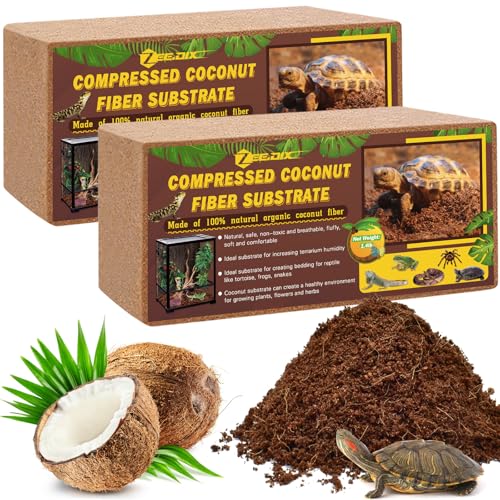

ZeeDix is another solid coco coir option, but it has a slightly different appeal: low EC and pH-balanced material, plus a compact brick format that’s easy to store. Verified owner feedback on products like this often centers on easy expansion and good moisture control, which makes it a sensible pick for humid enclosures, basic bioactive builds, and keepers who want a no-fuss natural substrate.
- ✓ Breathable, biodegradable coconut fiber
- ✓ Good odor and waste absorption
- ✓ Compact storage and easy expansion after soaking
- ✗ May need rinsing before use for some applications
- ✗ Less specialized than premium habitat-specific substrates
Budget Guide: What You Get at Each Price Point
At this level, you’re usually getting a smaller package or a compressed brick that expands after soaking. That’s enough for a single enclosure, a partial substrate refresh, or a keeper who wants to test a substrate type before committing. Budget options here can still be very good, but they usually focus on one core benefit rather than a premium blend of features.
This is the sweet spot for most buyers. You’ll often find better expansion volume, stronger humidity control, or a more species-specific formula. For many reptile setups, this price range gives the best balance of performance and practicality without forcing you into a specialty product that’s hard to maintain.
Higher-priced substrates usually make sense for larger enclosures, bioactive habitats, or keepers who want better long-term value per quart. In this range, compressed blocks can expand into a large amount of bedding, which reduces the cost per use. You’re paying for volume, convenience, and often a better fit for naturalistic setups.
Frequently Asked Questions
What is the best substrate for a reptile?
The best substrate depends on the species and enclosure conditions. Desert reptiles usually need a dry, heat-friendly substrate, while tropical reptiles often need bedding that holds humidity and supports natural digging behavior.
How do I know if my reptile needs humid or dry substrate?
Start with your reptile’s native habitat. Species from arid environments generally do better with dry bedding, while forest, swamp, and tropical species usually need a moisture-retaining substrate. If you’re unsure, check care guides for the exact species.
Is coconut fiber safe for reptiles?
Coconut fiber is widely used and generally considered safe for many reptiles when matched to the right species. It’s especially popular in humid or bioactive setups, but it may not be ideal for every desert species.
How often should reptile substrate be changed?
That depends on the substrate type, enclosure size, and how heavily the habitat is used. Spot cleaning should happen regularly, while full changes may be needed anywhere from every few weeks to several months depending on the setup.
Can I mix different substrates together?
Yes, in some enclosures mixing substrates can improve texture, humidity control, or burrowing support. Just make sure the combination still suits the reptile’s species needs and doesn’t create excess dust or moisture problems.
Frequently asked questions
What is the best substrate for a reptile?
The best substrate depends on the species and enclosure conditions. Desert reptiles usually need a dry, heat-friendly substrate, while tropical reptiles often need bedding that holds humidity and supports natural digging behavior.
How do I know if my reptile needs humid or dry substrate?
Start with your reptile’s native habitat. Species from arid environments generally do better with dry bedding, while forest, swamp, and tropical species usually need a moisture-retaining substrate. If you’re unsure, check care guides for the exact species.
Is coconut fiber safe for reptiles?
Coconut fiber is widely used and generally considered safe for many reptiles when matched to the right species. It’s especially popular in humid or bioactive setups, but it may not be ideal for every desert species.
How often should reptile substrate be changed?
That depends on the substrate type, enclosure size, and how heavily the habitat is used. Spot cleaning should happen regularly, while full changes may be needed anywhere from every few weeks to several months depending on the setup.
Can I mix different substrates together?
Yes, in some enclosures mixing substrates can improve texture, humidity control, or burrowing support. Just make sure the combination still suits the reptile’s species needs and doesn’t create excess dust or moisture problems.

How Scout Picks
Specs & standards
We start from manufacturer specs and category standards.
Expert tests
We weigh independent expert and lab test results.
Verified owner reviews
We read patterns across thousands of real owners.
Scout is our illustrated guide — we research from specs, independent expert tests, and thousands of verified owner reviews. We don't lab-test products ourselves.
How we pick →Get the Full Pet Gear Buyer's Guide
Join our free newsletter — we'll send our latest Pet Gear picks, specs and verdicts straight to your inbox.
Free. No spam. Unsubscribe anytime.
Was this review helpful?
Be the first to share your feedback on this review.
Sign in to vote and let us know what you think.
Discussion (0)
No comments yet. Be the first to start the discussion.
Related Reviews
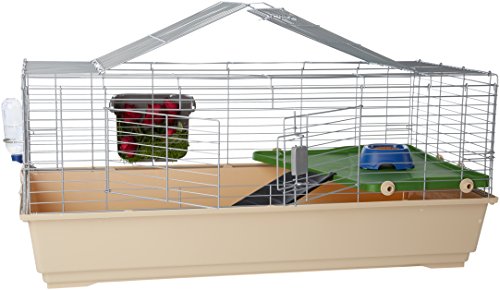
What is Rabbit Habitat Setup Checklist? A Complete 2026 Guide
If you’re searching for a rabbit habitat setup checklist, you probably want a safe, clean, and comfortable space for your bunny without missing a critical step. The good news: the right setup is less about fancy accessories and more about size, airflow, flooring, litter management, and easy cleaning

Maxdee Massage Stones Essential Hot Stones for Massage Review (2026): Specs, Pros & Cons, and Who It's For
Check Price on Amazon →

What is Reptile Heating and Lighting Explained? A Complete 2026 Guide
Reptile heating and lighting can feel confusing fast: do you need heat, UVB, UVA, a basking bulb, a ceramic emitter, or all of the above? If you’re trying to keep a reptile healthy without overbuying the wrong gear, this guide breaks the basics down in plain English. You’ll learn how reptile heating