

Scout's Take
2 picks worth buying
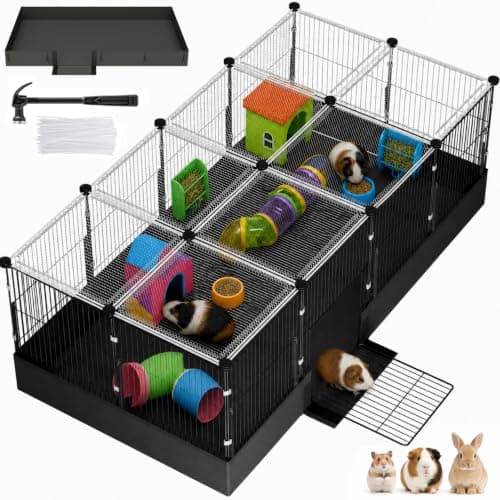
20 Panels Guinea Pig Cages with Waterproof Liner, 48" x 24" x 16" Enclosed Rabbit Cage, Expandable Small Animal Plaype
The best overall pick for owners who want a roomy, flexible enclosure that fits common guinea pig size guidance.
- Spacious 48" x 24" layout
- Expandable modular design
- Assembly takes time
- Not a traditional one-piece cage
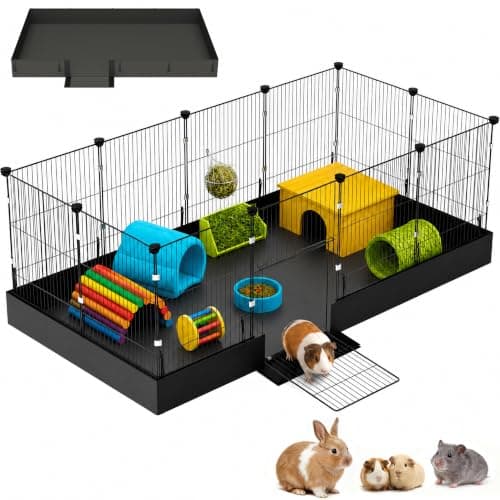
SNAAT Guinea Pig Cages DIY Small Animal Playpen with Waterproof Liner, Expandable Cage for Guinea Pigs, Metal Wire Yard Fence Rabbit Cage
A strong budget-friendly option for buyers who want an expandable cage with an easy-clean liner.
- Lower price point
- Customizable layout
- More DIY-style setup
- Less polished than premium options
Who this is for: Best for guinea pig owners who need a practical cage-size guide and a roomy, easy-clean enclosure.
What is a Guinea Pig Cage Size Guide? A Complete 2026 Guide
If you’re confused about how big a guinea pig cage should be, you’re not alone. The wrong cage size can lead to stress, low activity, and constant cleanup headaches, especially if you’re comparing “starter” enclosures that look bigger in photos than they do in real life. This guinea pig cage size guide explains the minimum space guinea pigs need, how cage design affects comfort, and which products are worth considering if you want an enclosure that actually fits your pets and your room.
Put simply, a guinea pig cage size guide is a practical framework for choosing an enclosure that gives your pets enough room to eat, sleep, move, and exercise without crowding. Guinea pigs are active ground-dwellers, so floor space matters far more than height, and cramped setups can make daily care harder for you too. In this guide, we’ll break down the basics, the benefits of getting the size right, the features that matter most, and two recommended products that align with common guinea pig housing needs.
How It Works
Guinea pig cage sizing is about usable floor area, not just the outside dimensions printed on the box. A cage can be “big” on paper but still feel small if ramps, walls, or accessories take up too much of the floor, so the real question is how much open space your guinea pig has to walk, zoom, turn around, and separate food, litter, and sleeping areas.
For most owners, the best cage setups use a low, wide footprint with solid flooring and easy-clean liners. Modular panel systems, like C&C-style or grid-style enclosures, work by letting you expand the living area or reshape the layout as your needs change. That flexibility is useful if you start with one guinea pig, add a second, or want to create a separate hay zone, hideout area, or cleaning access point.
Another important part of how guinea pig cages “work” is ventilation and containment. Wire panels improve airflow and visibility, while a waterproof liner protects floors from urine and bedding scatter. The goal is a balance: enough openness for comfort and hygiene, but enough structure to prevent escapes and make daily care manageable.
Key Benefits & Use Cases
- Better comfort and movement: A properly sized cage gives guinea pigs room to walk, graze, and interact without constantly bumping into each other or their supplies.
- Less stress in multi-pig homes: More floor space helps reduce territorial pressure and gives each pig a place to retreat.
- Easier cleaning: Larger, open layouts often make spot-cleaning and full cleanouts simpler because you can reach more of the enclosure.
- Room for enrichment: Bigger cages make it easier to add hideouts, hay racks, tunnels, and separate feeding zones without overcrowding.
- Flexible use cases: Expandable cages can work as a main habitat, a temporary recovery space, or an exercise pen for supervised floor time.
In real-world use, a cage size guide is especially helpful for first-time guinea pig owners, families housing bonded pairs, and anyone trying to upgrade from a small starter enclosure. It’s also useful if you’re comparing indoor setups versus playpen-style cages and want a solution that can grow with your pets.
What to Look For When Buying
1) Floor Space First
Prioritize usable floor area over height. Guinea pigs need space to move horizontally, so a wide enclosure is usually better than a tall one with multiple levels.
2) Expandability
Modular panels can be a smart choice if you may add another pig later or want to change the layout. Expandable designs also help if you’re working around furniture or a smaller room.
3) Waterproof, Easy-Clean Liner
A waterproof liner helps protect floors and makes maintenance much easier. Look for a liner that stays in place and is simple to remove for washing.
4) Secure Panel Design
Check wire spacing, panel stability, and connection points. A good cage should feel sturdy enough to resist shifting and secure enough to help prevent escapes.
5) Access and Visibility
Doors, openings, and low-entry areas matter for feeding and cleaning. Good visibility also lets you monitor appetite, behavior, and health without disturbing your pets too much.
Top Recommended Products
 20 Panels Guinea Pig Cages with Waterproof Liner, 48" x 24" x 16" Enclosed Rabbit Cage, Expandable Small Animal Plaype ✓ Prime $31.97
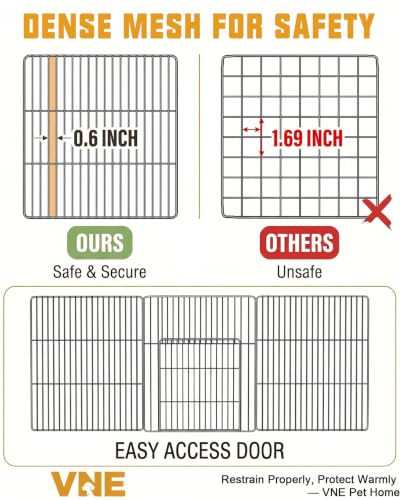

This modular enclosure is the strongest fit for readers who want a straightforward cage-size solution with room to grow. The 48" x 24" footprint matches the kind of floor space many guides point to as a practical baseline for a single guinea pig or a bonded pair, and the expandable panel layout adds flexibility if your needs change.
- ✓ Spacious 48" x 24" layout with modular expansion potential
- ✓ Waterproof liner helps protect floors and simplify cleaning
- ✓ Dense wire mesh supports ventilation and visibility
- ✓ Side door improves access for feeding and maintenance
- ✗ Assembly may take more time than a rigid one-piece cage
- ✗ Best suited to owners who want a panel-style setup, not a traditional plastic habitat
 SNAAT Guinea Pig Cages DIY Small Animal Playpen with Waterproof Liner, Expandable Cage for Guinea Pigs, Metal Wire Yard Fence Rabbit Cage ✓ Prime $26.94


This is the budget-friendly pick for owners who want a customizable, modular enclosure without spending much. Its hook-attached waterproof liner and connectable panels make it appealing if your main priority is keeping cleanup simple while still giving your guinea pigs a roomy, adaptable home.
- ✓ Lower price point than many expandable cage systems
- ✓ Waterproof liner attaches with hooks for easier cleanup
- ✓ Customizable panel layout supports different room sizes
- ✓ Door opening design helps pets enter and exit smoothly
- ✗ More of a DIY-style setup than an all-in-one finished cage
- ✗ May not feel as polished as sturdier premium systems
Common Mistakes to Avoid
1) Choosing height over floor space. Guinea pigs don’t benefit much from vertical designs the way some other small pets do. A cage that looks “big” because it’s tall can still be too cramped if the floor area is limited.
2) Forgetting about accessories. Hideouts, hay feeders, water bottles, and litter zones all take up room. If a cage is only barely large enough on paper, it may feel crowded once you add the essentials.
3) Buying for one pig when you plan to house two. If there’s any chance you’ll add another guinea pig later, it’s usually smarter to size up from the start.
4) Ignoring cleaning access. A cage that’s hard to reach will be harder to maintain, which can affect odor control and hygiene over time.
5) Overlooking security and liner quality. Weak connections, flimsy panels, or a poorly fitted liner can lead to messes, escapes, or constant adjustments.
Frequently Asked Questions
What is the minimum cage size for a guinea pig?
Most care guides recommend a spacious floor plan rather than a tiny starter cage. A larger footprint is especially important if you keep two guinea pigs, since they need room to move, eat, and rest comfortably.
Is a 2x4 C&C cage big enough for two guinea pigs?
A 2x4 C&C-style layout is commonly considered a practical baseline for two guinea pigs because it offers more usable floor space than many store-bought cages. Always check the actual interior dimensions and how much room accessories will take up.
Do guinea pigs need a cage with levels?
Usually no. Guinea pigs are ground-dwelling animals, so they benefit more from wide floor space than from ramps or multiple levels.
How much space do guinea pigs need for exercise?
They need enough room to walk, sprint, and explore safely. A larger enclosure reduces the need for constant outside exercise sessions, though supervised floor time is still helpful.
What is the best cage type for guinea pigs?
Expandable panel cages and C&C-style enclosures are popular because they provide good floor space, ventilation, and flexibility. The best option is the one that gives your guinea pigs enough room while fitting your cleaning routine and available space.
Frequently asked questions
What is the minimum cage size for a guinea pig?
Most care guides recommend a spacious floor plan rather than a tiny starter cage. A larger footprint is especially important if you keep two guinea pigs, since they need room to move, eat, and rest comfortably.
Is a 2x4 C&C cage big enough for two guinea pigs?
A 2x4 C&C-style layout is commonly considered a practical baseline for two guinea pigs because it offers more usable floor space than many store-bought cages. Always check the actual interior dimensions and how much room accessories will take up.
Do guinea pigs need a cage with levels?
Usually no. Guinea pigs are ground-dwelling animals, so they benefit more from wide floor space than from ramps or multiple levels.
How much space do guinea pigs need for exercise?
They need enough room to walk, sprint, and explore safely. A larger enclosure reduces the need for constant outside exercise sessions, though supervised floor time is still helpful.
What is the best cage type for guinea pigs?
Expandable panel cages and C&C-style enclosures are popular because they provide good floor space, ventilation, and flexibility. The best option is the one that gives your guinea pigs enough room while fitting your cleaning routine and available space.

How Scout Picks
Specs & standards
We start from manufacturer specs and category standards.
Expert tests
We weigh independent expert and lab test results.
Verified owner reviews
We read patterns across thousands of real owners.
Scout is our illustrated guide — we research from specs, independent expert tests, and thousands of verified owner reviews. We don't lab-test products ourselves.
How we pick →Get the Full Pet Gear Buyer's Guide
Join our free newsletter — we'll send our latest Pet Gear picks, specs and verdicts straight to your inbox.
Free. No spam. Unsubscribe anytime.
Was this review helpful?
Be the first to share your feedback on this review.
Sign in to vote and let us know what you think.
Discussion (0)
No comments yet. Be the first to start the discussion.
Related Reviews
How to Choose the Best Reptile Substrate in 2026: Complete Buying Guide
If you’re trying to figure out how to choose reptile substrate , the challenge is usually the same: too many materials, too many species-specific opinions, and not enough clear guidance. Pick the wrong substrate and you can end up with poor humidity, messy spot-cleaning, or a setup that doesn’t supp
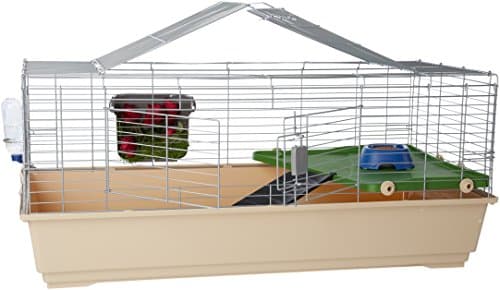
What is Rabbit Habitat Setup Checklist? A Complete 2026 Guide
If you’re searching for a rabbit habitat setup checklist, you probably want a safe, clean, and comfortable space for your bunny without missing a critical step. The good news: the right setup is less about fancy accessories and more about size, airflow, flooring, litter management, and easy cleaning
Maxdee Massage Stones Essential Hot Stones for Massage Review (2026): Specs, Pros & Cons, and Who It's For
Check Price on Amazon →